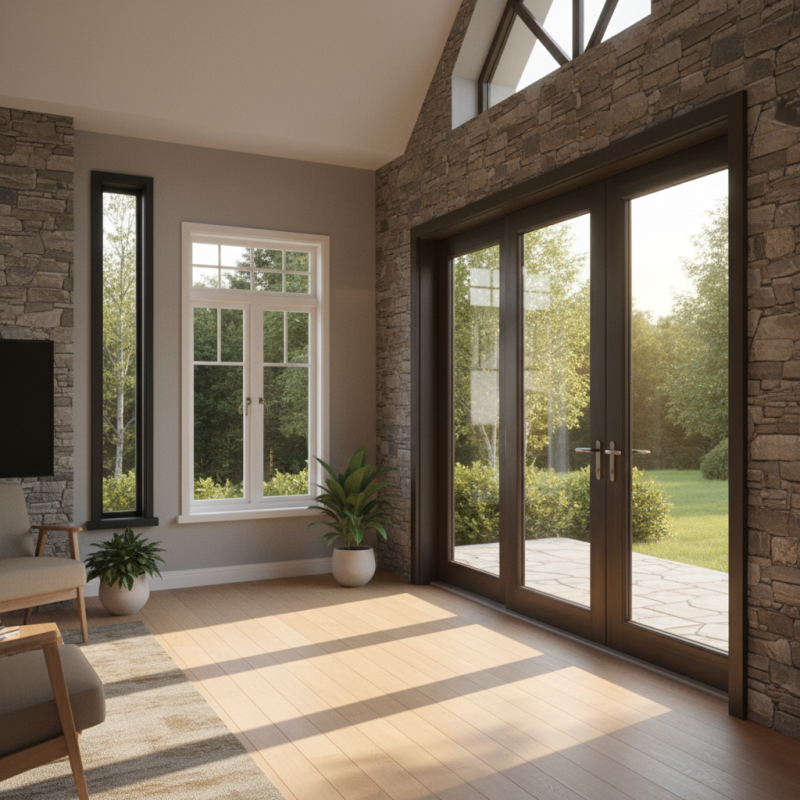
How to Choose the Best Window and Door for Your Home?
Choosing the right Window & Door for your home is crucial. These elements define your space's look. They affect energy efficiency, safety, and even comfort.
Start by considering your home's style. Are you modern or traditional? The design should complement your architecture. Think about materials, too. Wood, vinyl, and fiberglass each have unique benefits. Evaluate their durability and maintenance needs.
Functionality is key. Do you need easy access? A patio door might be ideal. Observe how natural light flows in. Large windows can brighten your rooms. Reflect on how these choices impact your daily life. A wrong decision can feel frustrating. Prioritize what feels right for you.
Understanding Different Types of Windows and Doors Available
When selecting windows and doors, understanding the variety available is crucial. Windows come in multiple styles: single-hung, double-hung, sliding, casement, and more. Each type offers unique benefits. For instance, 60% of homeowners prefer double-hung windows for their ease of cleaning and ventilation. Despite this popularity, many fail to consider energy efficiency ratings.
Doors also have diverse options. Entry doors can be made of wood, fiberglass, or steel. A report from the National Association of Realtors indicates that 74% of buyers prioritize curb appeal, which includes door appearance. Yet, there's a tendency to overlook security features, such as strong locking systems.
Understanding these details can enhance home comfort and aesthetics. However, many choose windows and doors based solely on looks. It's vital to strike a balance between style and functionality. Failing to do so can lead to regrettable choices, especially with energy costs rising and security concerns growing. Assess your home’s needs and don’t rush the decision.
Comparison of Different Types of Windows and Doors
Evaluating Energy Efficiency Ratings for Window and Door Options
When selecting windows and doors, energy efficiency ratings play a crucial role. Look for products with low U-factors, which indicate less heat transfer. This keeps your home warmer in winter and cooler in summer. High solar heat gain coefficients (SHGC) can help reduce cooling costs. Check if the glass has low emissivity (low-E) coatings. These can block harmful UV rays while allowing natural light in.
Consider the frame material as well. Vinyl frames often have good insulation properties. However, wood frames offer a classic aesthetic but require maintenance. Reflect on your climate too. In humid areas, moisture-resistant options might be necessary. Pay attention to the Energy Star labels. But remember, ratings can vary by region. What works well in one area might not be suitable for another.
Sometimes, the most energy-efficient choices may not be the most visually appealing. Finding a balance between style and performance is challenging. Research local building codes, as they can influence your selection. Ultimately, investing in quality windows and doors can lead to long-term savings. However, don’t overlook the importance of proper installation. An efficient window poorly installed can lead to significant energy loss.
Assessing Aesthetic Styles to Match Your Home’s Architecture
Choosing the right windows and doors for your home can be overwhelming. Aesthetic styles play a crucial role in this decision. They should harmonize with your home’s architecture. Take a close look at your exterior. Is it modern or traditional? The style of windows and doors you choose should reflect that character.
If your home features classic elements, consider wood frames or arches. These details can enhance the timeless appeal. For a contemporary look, sleek metal frames may be more appropriate. Minimalist lines and large glass panes can create a striking contrast against traditional brick. Pay attention to color as well. Bold hues can draw attention, while softer shades blend seamlessly.
Don’t forget about the function. Windows and doors should be more than just visual elements. Ensure they provide natural light and ventilation. Experiment with different styles and materials. Sometimes, imperfections in design can lead to unique charm. Reflect on what fits best with your vision, and remember that it’s okay to have doubts. Finding harmony between aesthetics and practicality is essential for a balanced home.
Considering Material Durability and Maintenance Requirements
Choosing materials for windows and doors is crucial. You want durability, but also manageable maintenance. Different materials offer various benefits. For example, wood adds beauty but requires regular painting and sealing. It can rot or warp if not properly cared for. Think carefully about how much time you can spend maintaining them.
Vinyl is another popular choice. It is durable and easy to clean. It doesn’t need painting, which saves time. However, it may fade over time. Aluminum frames are strong and lightweight. They can dent easily and also require occasional cleaning. Consider how the materials react to your local climate.
Reflect on your lifestyle when choosing. Do you have time for upkeep? Are you okay with occasional repairs? Understand that the initial cost might not be the only expense. Maintenance affects long-term value. Choose wisely to avoid future regrets.
Budgeting for Installation and Long-term Upkeep Costs
When budgeting for window and door installation, consider both upfront costs and long-term expenses. Installation costs for windows can range from $300 to $1,000 per unit. This wide range depends on materials, styles, and complexity of the installation. At the same time, doors can cost between $500 and $2,500, influenced by the material (wood, fiberglass, etc.) and design features.
Long-term maintenance may not be at the forefront of your mind, but it’s crucial. Regular upkeep can save you significant costs later. According to the American Window and Door Institute, windows typically last 15 to 30 years. However, they also emphasize that poorly maintained windows can lead to issues like air leaks. Inspecting seals and frames annually can help prevent larger repairs.
Unexpected costs can arise if you don't plan ahead. The National Association of Home Builders states that replacing a window due to damage often costs homeowners an average of $400 per window. Investing in quality installation can minimize future repairs. However, many homeowners overlook this aspect. Balancing installation costs and ongoing upkeep is key to making a wise investment in your home.