How to Choose the Best Spot Sprayer for Your Needs?
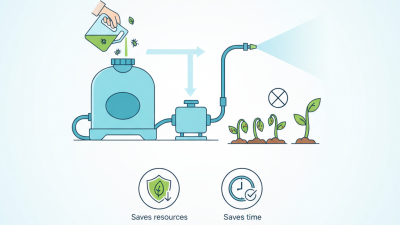
Choosing the right spot sprayer can significantly impact your gardening and agricultural efficiency. According to a 2022 industry report by AgriTech Insights, the global market for sprayers is projected to reach $2 billion by 2028, driven by rising demand for precision agriculture tools. Spot sprayers are designed to target specific areas, ensuring that chemical use is minimized while maximizing effectiveness.
When assessing which spot sprayer suits your needs, consider factors like the size of your property and the types of plants you're treating. A 2021 study by Farm Equipment Magazine revealed that 78% of farmers prefer spot sprayers for their versatility and ease of use. However, selecting the incorrect model can lead to wasted resources and health risks. It’s essential to weigh features such as tank capacity, nozzle types, and portability. These details can make a substantial difference in achieving your cultivation goals. Knowing what you need helps you avoid unnecessary purchases and enhances overall performance.
Understanding Spot Sprayers: Types and Features
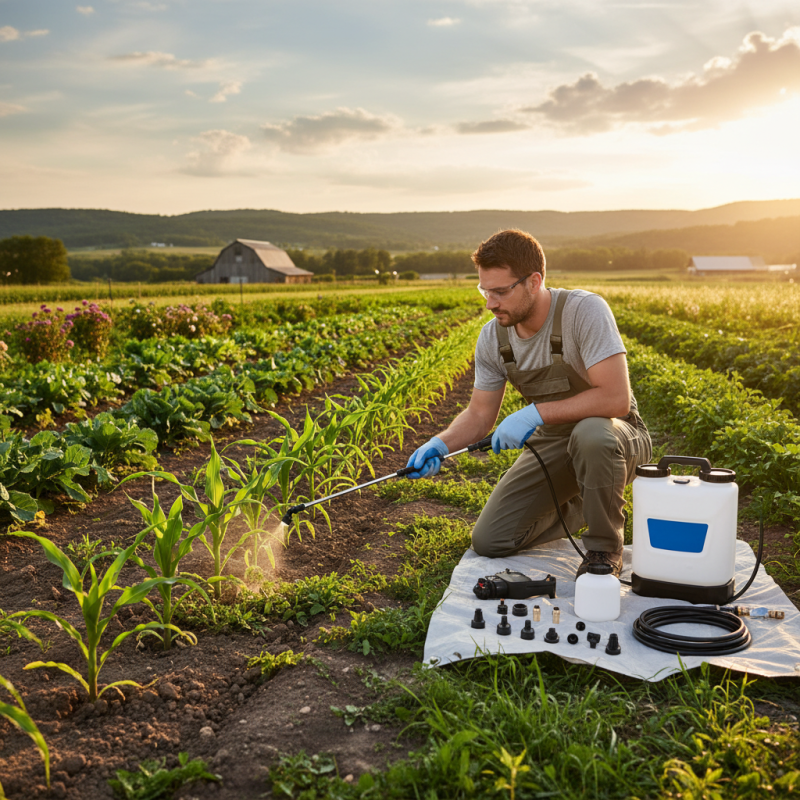
Spot sprayers are essential tools for targeted applications of pesticides, herbicides, and fertilizers. Understanding the types and features of these sprayers can simplify your selection process. Depending on your needs, spot sprayers can range from handheld models to larger, trailer-mounted units. A report from the National Agricultural Statistics Service indicates that nearly 80% of farmers use some form of spot spraying in their crop management.
When choosing a spot sprayer, consider the tank size and pump type. Smaller tanks are suitable for residential gardens, while larger tanks can serve vast fields. Electric pumps offer ease of use but may lack power. Conversely, gas-powered pumps are potent but heavier. According to the American Society of Agricultural and Biological Engineers, choosing the right pump can enhance efficiency by 30% or more.
Another critical feature to consider is the nozzle type. Different nozzles affect spray patterns and droplet sizes. It’s essential to match the nozzle with the chemicals you are using. The right nozzle can minimize drift and improve coverage. However, improper selection may lead to product waste and environmental harm. Evaluating your specific needs and usage scenarios is crucial for a successful purchase.
Evaluating Your Spraying Needs: Capacity and Coverage
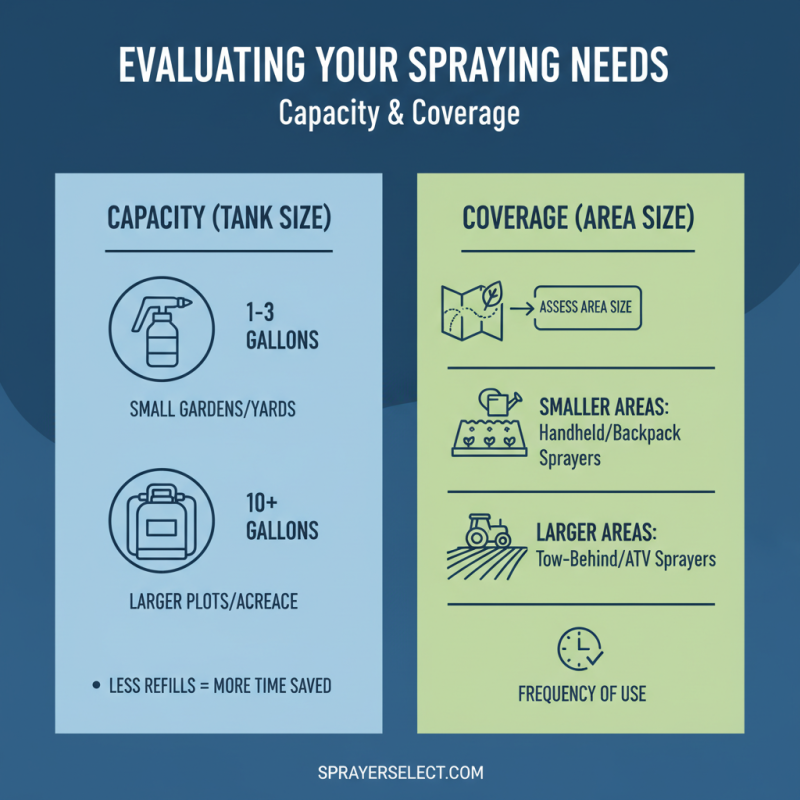
When selecting a spot sprayer, understanding your capacity and coverage needs is crucial. Start by assessing the size of the area you plan to treat. Small gardens or yards may only require a sprayer with a capacity of a few gallons. If you have larger plots, consider sprayers that hold more liquid. Think about how frequently you’ll be applying treatments. Larger tanks mean less frequent refills, a significant time saver.
Next, evaluate the coverage each sprayer model can provide. A good sprayer should reach every corner of your target area. Adjustable nozzles can help with this flexibility. They allow you to control the spray pattern and intensity. However, remember, nozzle adjustments can sometimes lead to inconsistent application. Practice will be necessary to achieve optimal results.
Don’t overlook any potential downsides. Higher capacity sprayers are often bulkier and harder to maneuver. If you're not accustomed to using larger equipment, it may take time to gain comfort. Ultimately, your choice should reflect both your specific needs and your level of experience with sprayers. This approach ensures a smooth, effective spraying experience.
Choosing the Right Pump: Performance and Durability
When selecting a spot sprayer, the pump is crucial. It determines how effectively you can apply your desired substances. A powerful pump ensures even coverage. Look for options that provide consistent pressure. This aspect significantly affects your results.
Durability is equally important. A pump should withstand rough conditions and have a long lifespan. Check the materials used in construction. High-quality components can reduce maintenance issues. Avoid brands that cut corners on parts. Your investment deserves reliability.
Be aware that not all pumps fit every application. Think about the scale of your work. A small garden may not need a heavy-duty pump. Assess your needs properly. Choosing the wrong pump can lead to frustrations. Make sure to research thoroughly and compare options.
Essential Accessories for Optimal Spraying Efficiency
When selecting accessories for your spot sprayer, efficiency is key. The right nozzles can make a significant difference. According to agronomy studies, proper nozzle selection can improve spray coverage by up to 50%. This ensures that chemical applications adhere better to plant surfaces. Utilizing adjustable nozzle types allows for versatility in spray patterns based on the targeted area.
Another essential accessory is a high-quality pump. Research indicates that a reliable pump can maintain consistent pressure. This leads to uniform application rates, crucial for effective treatment. A pump that operates efficiently can prevent wastage and reduce overall costs. Users often report that better pressure control leads to noticeable improvements in crop health.
Don’t overlook sprayer calibration tools. Many overlook this step, leading to uneven application. Data shows that improper calibration can reduce effectiveness by up to 30%. Ensuring your equipment is calibrated correctly will enhance coverage and minimize environmental impact. Regular maintenance of your sprayer system, including filters and hoses, is vital too. Missing this can result in clogged nozzles and inconsistent spraying patterns.
Budget Considerations: Finding Quality at the Right Price
When selecting a spot sprayer, budget plays a critical role. The price range for quality spot sprayers varies significantly, typically from $100 to over $1,000. According to a 2022 industry report, the average consumer spends around $400 for reliable equipment. It’s crucial to balance cost with features. Cheaper models may lack durability or efficiency, while high-end options often offer unnecessary features for most users.
Tips: Consider the size of your area. If you manage a small garden, a basic 15-gallon sprayer may suffice. For larger properties, investing in a sprayer with a higher gallon capacity can save time and effort.
Market trends indicate that consumers prioritize quality over cost. A robust warranty can signal reliability. Models offering a 3-year warranty or longer are more valuable, given the potential for malfunction. Research customer reviews to gauge real-world performance. Look for common complaints, such as motor issues or leaks. These insights provide clarity on what to avoid. Refining your selection process can lead to better purchases. It’s essential to reflect on your specific needs before making a decision.
Spot Sprayer Budget Considerations