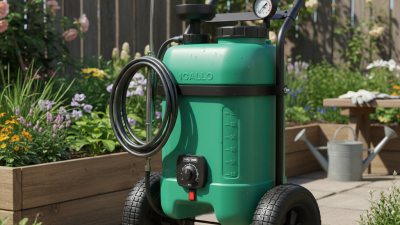
How to Choose the Best 25 Gallon Sprayer for Your Needs?
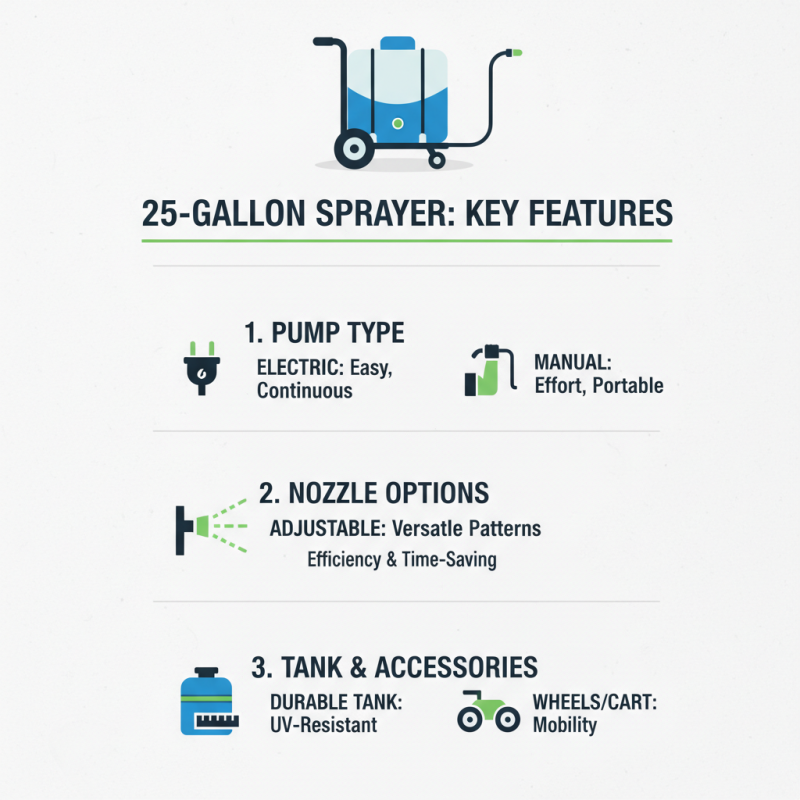
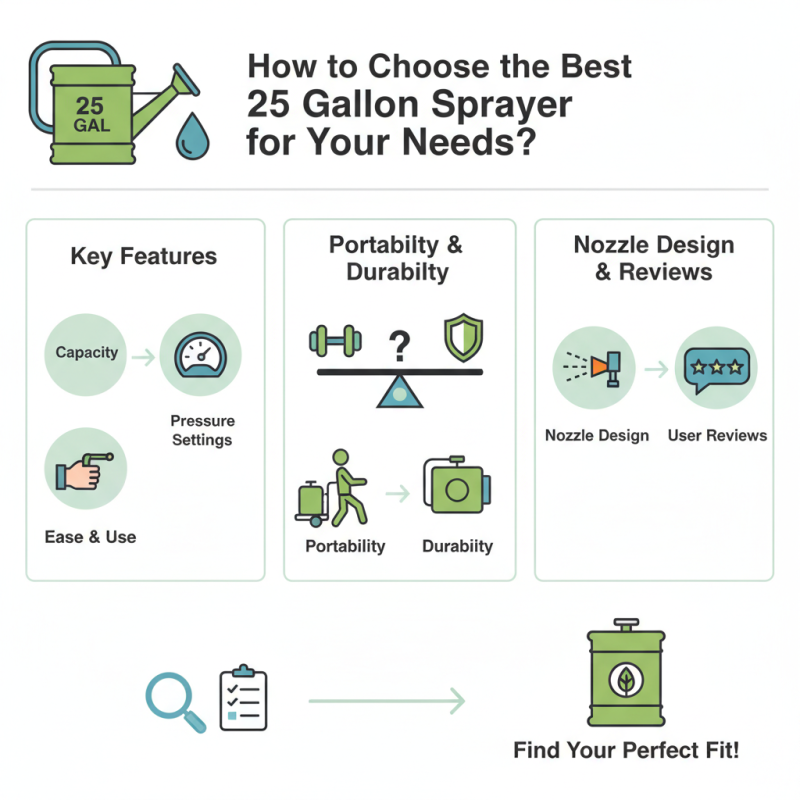
Choosing the right 25 gallon sprayer can greatly impact your gardening or agricultural activities. It’s essential to fit the sprayer to your specific needs. When considering this purchase, you'll want to focus on key features such as capacity, pressure settings, and ease of use. A well-selected sprayer can save time and increase efficiency.
Many users may overlook the importance of weight and portability. A heavy or bulky 25 gallon sprayer can be cumbersome. However, lighter models may not offer the same durability. Balancing these aspects can be challenging. You may also want to assess the nozzle design. Different nozzles provide varied spray patterns, which can affect coverage and precision.
Researching user reviews is invaluable. People often share their experiences, both positive and negative. This can help you understand product reliability. Ultimately, selecting a 25 gallon sprayer shouldn’t be taken lightly. Consider all factors carefully to find the best fit for your project.
Understanding the Different Types of 25 Gallon Sprayers Available
When selecting a 25-gallon sprayer, understanding the various types available is crucial. There are two primary designs:
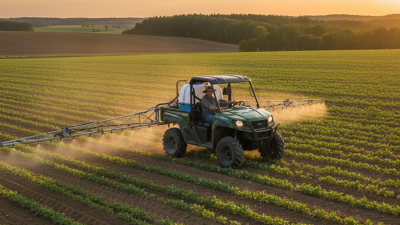
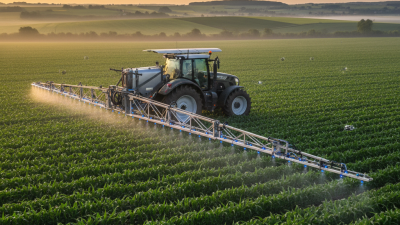
the tow-behind sprayer and
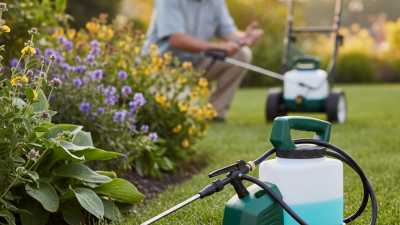
the backpack sprayer.
Tow-behind sprayers attach to a vehicle, making them ideal for larger areas, such as fields or big gardens. They are great for efficiency but can be challenging to maneuver in tight spots.
On the other hand, backpack sprayers allow for greater mobility and control. They are handy for smaller areas, detailed work, or mixed terrains.
Another factor to consider is the type of nozzle. Different nozzles provide varied spray patterns.
Cone nozzles are excellent for even coverage, while
flat fan nozzles work well for spot treatments.
The choice of nozzle affects the spray's width and distance, so choose wisely based on your tasks.
The pressure range is another variable. A higher pressure can achieve a finer mist, beneficial for certain jobs, but may lead to overspray in sensitive areas.
It's important to find the right balance for your needs. Sometimes, trying out different types can lead to discoveries, revealing preferences that might not be obvious at first.
Evaluating Sprayer Performance: Pressure, Flow Rate, and Coverage
When selecting a 25-gallon sprayer, evaluating performance is crucial. Key aspects include pressure, flow rate, and coverage area. Pressure impacts how far and how effectively the sprayer applies solutions. For instance, many professionals recommend a pressure range of 15 to 60 PSI for optimal results. This range ensures adequate penetration and minimizes drift, especially in windy conditions.
Flow rate, measured in gallons per minute (GPM), influences application efficiency. A typical sprayer might have a flow rate between 0.5 to 3 GPM, which dictates how quickly a job can be completed. For larger areas, a higher flow rate is advantageous. However, it is essential to balance flow rate with pressure to avoid over-application or wastage.
Coverage area is another vital factor. A sprayer with an 800 to 1,200 square feet coverage per tank can handle various tasks. However, some users may find their chosen sprayer doesn't cover the intended area adequately within one fill. It's crucial to assess your specific needs and consider the sprayer's performance metrics before making a purchase. Proper evaluation ensures your investment meets your agricultural or landscaping practice requirements.
Performance Metrics of 25 Gallon Sprayers
Determining the Right Nozzle Types for Your Spraying Needs
Choosing the right nozzle type for a 25-gallon sprayer is crucial for effective application. Nozzles impact the spray pattern, droplet size, and coverage area. For example, flat fan nozzles provide a wide coverage and are commonly used for herbicides and insecticides. According to industry reports, using the correct nozzle can improve application efficiency by up to 30%. This is significant for both commercial and home applications.
In contrast, air-induced nozzles generate larger droplets, reducing drift and increasing penetration into dense foliage. This makes them an ideal choice for applying fertilizers in gardens or crops. Industry studies suggest that a suitable nozzle can help minimize chemical waste while maximizing effectiveness.
Understanding your spraying needs is essential. The right nozzle type is not just about fit; it’s about matching it to the situation. Factors like wind speed and target surface affect performance. Many users overlook these details, leading to suboptimal results. Evaluating your specific requirements ensures better outcomes and justifies the investment in quality equipment.
How to Choose the Best 25 Gallon Sprayer for Your Needs? - Determining the Right Nozzle Types for Your Spraying Needs
| Nozzle Type |
Recommended Use |
Spray Pattern |
Flow Rate (GPM) |
Spray Distance (Feet) |
| Flat Fan |
Herbicide Application |
Flat |
0.2 - 0.5 |
10 - 20 |
| Cone Nozzle |
Pesticide Application |
Cone |
0.3 - 0.6 |
5 - 10 |
| Adjustable Nozzle |
General Purpose |
Variable |
0.2 - 0.4 |
8 - 15 |
| Air Induction Nozzle |
Low Drift Applications |
Wide |
0.4 - 0.8 |
12 - 25 |
| TeeJet Nozzle |
Precision Spraying |
Flat |
0.5 - 1.0 |
15 - 30 |
Assessing the Importance of Durability and Maintenance in Sprayers
When selecting a 25-gallon sprayer, durability and maintenance are key factors. A lasting sprayer can withstand various outdoor conditions. Look for materials that resist corrosion and wear, such as high-density polyethylene or powder-coated metal. This ensures that your sprayer remains robust over time.
Regular maintenance is essential for optimal performance. Clean your sprayer after each use to prevent clogging. Check the seals and hoses for wear and replace them as needed. Ignoring maintenance can lead to larger issues down the road. A well-maintained sprayer not only works better but can last for years.
Tips: Store your sprayer in a dry place to avoid moisture damage. During seasons when not in use, flush the system with clean water. Inspect the equipment regularly to catch any potential problems early. Adopting these practices will enhance the lifespan and efficiency of your sprayer.