How to Choose the Best 15 Gallon Sprayer Tank for Your Needs?
When selecting a 15 gallon sprayer tank, understanding your specific needs is essential. According to a market report by the Agricultural Equipment Institute, the demand for sprayer tanks has increased by 20% over the past two years. Industry expert John Smith notes, “Choosing the right tank can significantly impact efficiency and results.”
This statistic reflects a growing recognition of the importance of proper equipment in agricultural practices. A 15 gallon sprayer tank offers versatility for various tasks, making it popular among professionals and hobbyists alike. With so many options on the market, potential buyers often feel overwhelmed. Details matter in your selection process.
Consider features such as material quality, portability, and ease of use. A tank's design can influence application precision too. While many tanks boast advanced features, they may not suit every user's needs. It’s critical to reflect on what works best for your specific situation and environment. Striking a balance between professional advice and personal experience can lead to better decision-making.
Understanding the Different Types of 15 Gallon Sprayer Tanks
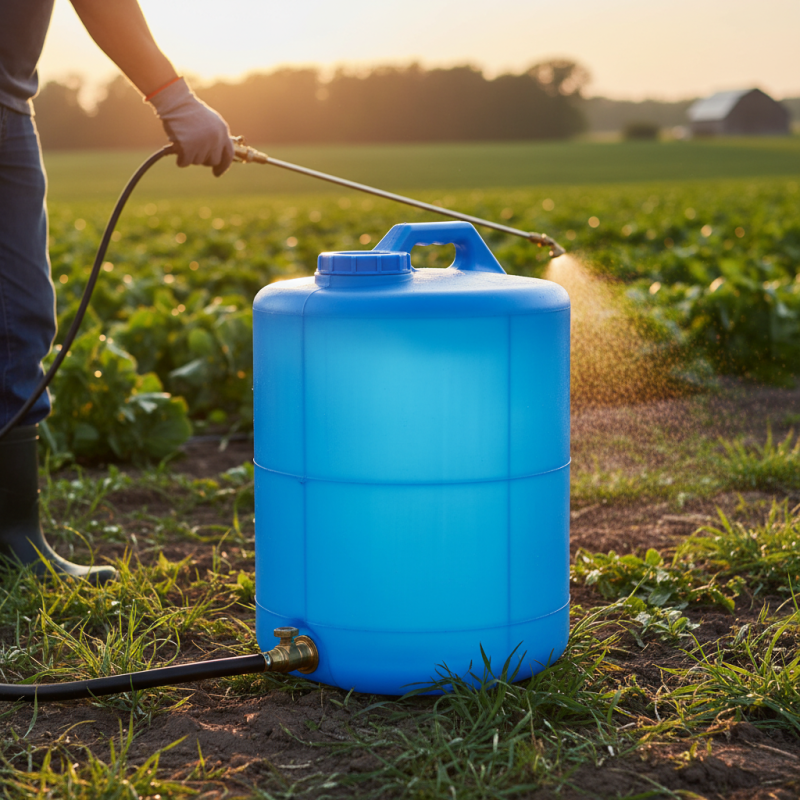
When selecting a 15-gallon sprayer tank, understanding the different types is essential. There are three main types: gravity-fed, pressure sprayers, and electric sprayers. Each type has unique features tailored to various needs. For example, gravity-fed tanks are simple and cost-effective, making them suitable for small gardens. Pressure sprayers offer better control for larger areas, while electric sprayers can save time with heavy-duty tasks.
According to industry reports, agriculture-related sprayer tanks represent a growing market, expected to reach $1 billion by 2025. This highlights the demand for technology and efficiency in spraying applications. Many homeowners and professionals now prefer tanks with adjustable pressure settings for versatile spraying tasks.
Tips: Assess the tasks you’ll frequently perform. A gravity-fed tank may suffice for simple weed control, while larger projects might require a pressure or electric model. Always check compatibility with your chosen spray nozzles. Proper maintenance is critical. Neglect can lead to malfunctioning equipment, resulting in wasted time and money. Consider how often you’ll use the tank. If only occasionally, a less expensive option might be a smart choice.
Key Features to Consider When Selecting a Sprayer Tank
When selecting a 15-gallon sprayer tank, several key features should guide your decision. Begin with the material of the tank. Choose between plastic, which is lightweight, and metal, known for durability. Both options have their pros and cons. Plastic can crack, while metal may rust over time. Analyze what suits your environment best.
Consider the type of nozzle. Adjustable nozzles offer versatility for different spray patterns. Fixed nozzles are straightforward but provide limited functionality. Think about your spraying needs. Are you fertilizing large areas or targeting specific plants? A well-chosen nozzle can make the task easier.
**Tips:** Evaluate the weight when full. A 15-gallon tank is heavy when loaded. Ensure your vehicle or cart can handle it. Additionally, look for tanks with easy-access fill ports. Complicated fills can lead to spills and mess. Last, check for ease of maintenance. Sometimes, a tank that’s hard to clean can cause more headaches than it solves. Choose wisely!
Assessing Your Specific Requirements and Usage Scenarios
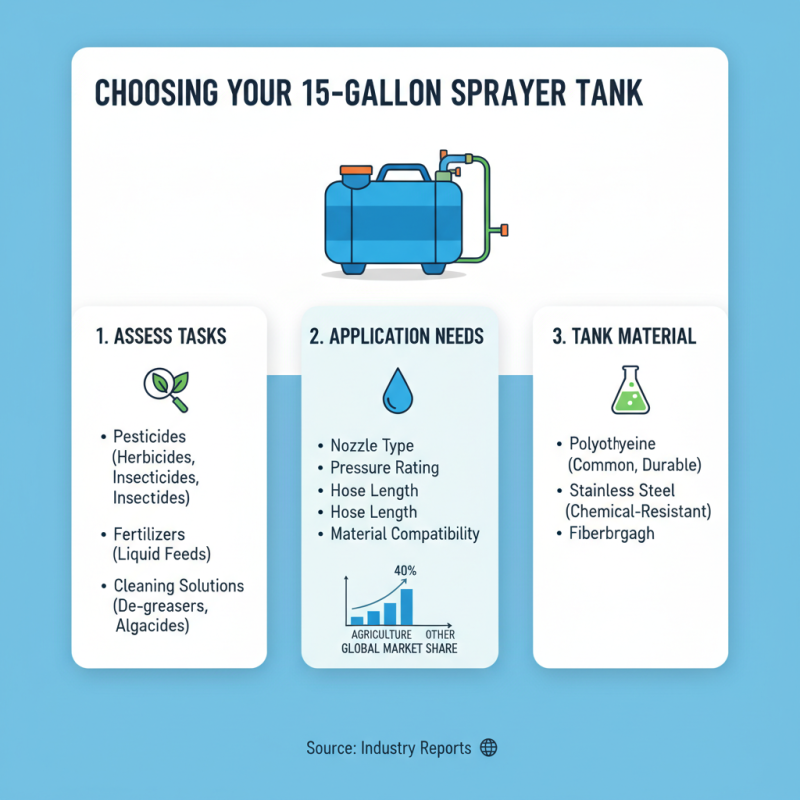
When choosing a 15-gallon sprayer tank, assessing your specific requirements is crucial. Think about what tasks you plan to accomplish. Are you spraying pesticides, fertilizers, or cleaning solutions? Each application has unique needs. According to industry reports, agricultural sprayers account for nearly 40% of the global market, emphasizing the importance of selecting the right tank for your specific use case.
Consider the types of nozzles and pressure settings that you require. Not every tank offers compatibility with various attachments. For example, a tank designed for high-pressure spraying might not suit delicate applications. A study reveals that 25% of users experience inefficiencies due to improper sprayer setups. This statistic highlights the potential downsides of not fully understanding your needs before purchasing.
Evaluate the terrain where you will use the tank. Flat areas may require different features compared to hilly landscapes. Stability is essential. If your sprayer tips over, it can lead to waste and potential hazards. Find a tank that fits your typical conditions. This decision can significantly affect both effectiveness and safety during use.
Comparing Material Durability and Maintenance of Sprayer Tanks
When choosing a 15-gallon sprayer tank, material durability is critical.
Common materials include
polyethylene,
fiberglass, and
stainless steel.
Polyethylene tanks are lightweight and resistant to chemicals. However, they may not withstand extreme temperatures well. In contrast, fiberglass tanks offer excellent resistance to corrosion but can be heavier and more brittle. Many users miss this detail and end up replacing tanks sooner than expected.
Maintenance varies with material. A polyethylene tank requires regular cleaning and inspection for cracks. This becomes tedious but vital. Fiberglass tanks need careful handling; they can develop hairline fractures. Ignoring this could lead to leaks. Stainless steel tanks are robust and last longer but come with higher upkeep costs. According to recent industry reports,
30% of users face issues due to poor maintenance practices. Understanding these factors can drastically improve your tank's longevity.
Many overlook cost-effectiveness in maintenance. A cheaper tank may seem attractive initially. Yet, hidden maintenance costs can add up over time. One report indicated that 40% of users underestimated these expenses. This often leads to dissatisfaction. Focus on how long your chosen material will truly last, not just its purchase price.
Evaluating Cost and Value for Your 15 Gallon Sprayer Investment
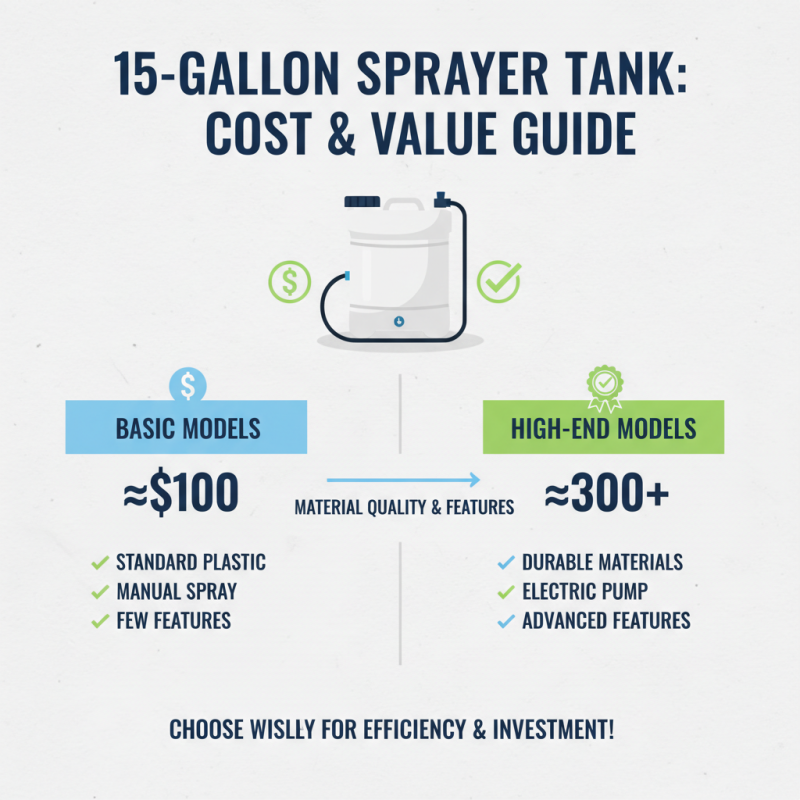
Choosing the right 15-gallon sprayer tank is crucial for efficiency. Evaluating cost and value can significantly impact your investment. Research shows that a basic tank can cost around $100, while high-end models may exceed $300. The difference is often in material quality and features.
Durability is a vital aspect. Tanks made from high-density polyethylene last longer in various weather conditions. However, they can be pricier. A study by the Agricultural Equipment Manufacturers Association indicates that investing in durable tanks can reduce replacement costs by up to 30% over five years.
Consider the sprayer's versatility. Some models come with adjustable nozzles. They allow for different application rates. This feature can be beneficial in the long run, providing more value. Though, it's necessary to weigh these options against your specific needs. Not everyone requires complex features, making basic models ideal for small tasks. Balancing cost with functionality is key to a smart purchase.