How to Choose the Best Seaweed Fertilizer for Your Plants?
Choosing the right Seaweed Fertilizer for your plants can be a daunting task. Experts agree on its effectiveness. Dr. Emily Carter, a renowned horticulturist, states, "Seaweed fertilizer provides essential nutrients that promote healthy growth." This advice highlights the importance of selecting the right type.
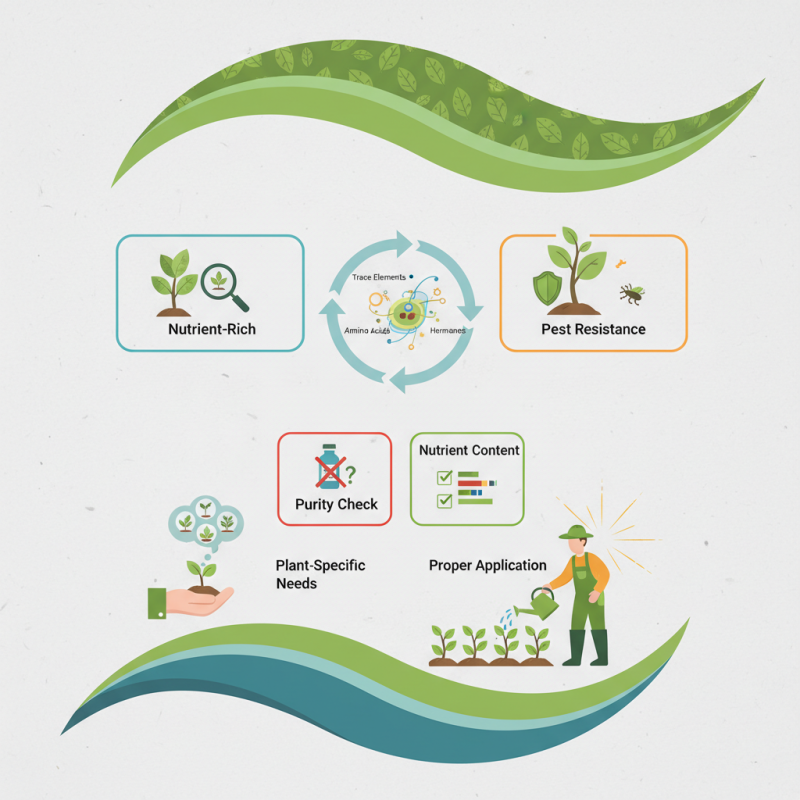
Seaweed fertilizers are rich in trace elements, amino acids, and hormones. These components support plant health and boost resilience against pests. However, not all products are created equal. Some may contain additives that dilute their effectiveness. Always check the label for purity and nutrient content.
As you navigate this landscape, consider your plants' specific needs. Not every seaweed fertilizer will suit all varieties. Research and reflect on the choices available. While seaweed fertilizers are beneficial, understanding their application is crucial for maximum results. Your garden deserves the best, so choose wisely!
Understanding the Benefits of Seaweed Fertilizer for Plant Growth
Seaweed fertilizer is a natural option that provides numerous benefits for plant growth. It contains essential nutrients, such as potassium, nitrogen, and trace minerals. These nutrients empower plants to grow healthier and more resilient. The natural growth hormones in seaweed help stimulate root development. This can lead to improved water and nutrient absorption.
Using seaweed fertilizer can enhance soil health too. It improves soil structure and promotes microbial activity. These changes can lead to healthier plants. However, not all seaweed products are created equal. It is vital to choose a product that is sustainably sourced. Ensuring its quality can help avoid chemicals harmful to plants.
Some gardeners might underestimate the importance of using organic fertilizers. It is sometimes easier to opt for chemical options. Unfortunately, this could lead to soil degradation over time. Reflecting on the long-term health of your garden is crucial. Experimenting with different seaweed fertilizers might be necessary. Observing how plants respond will guide you in making better choices.
Benefits of Seaweed Fertilizer for Plant Growth
This chart illustrates the key benefits of using seaweed fertilizer in plant growth, including improved nutrient uptake, enhanced growth rate, increased root development, and better disease resistance.
Types of Seaweed Fertilizers Available on the Market
Seaweed fertilizers come in various formulations, catering to diverse gardening needs. Liquid seaweed extracts are among the most popular options. They are easy to apply and provide nutrients quickly. These extracts can boost plant growth by enhancing root development and improving nutrient uptake. Studies have shown that such applications can increase yields by up to 20%, especially in vegetables and fruits.
Granular seaweed fertilizers offer different advantages. They are released slowly, feeding plants over time. This method minimizes the risk of nutrient leaching, a problem common with liquid fertilizers. A report by the International Society for Horticultural Science highlights that granular seaweed fertilizers can significantly improve soil structure and increase microbial activity.
Another alternative is powdered seaweed, which can be mixed into the soil. It is often used in organic farming due to its high nutrient content and ability to enhance soil quality. However, users should be cautious about application rates. Overuse can lead to nutrient imbalance, affecting plant health. Understanding each type's specific benefits and limitations is crucial for optimal results in your garden.
Key Nutrients Found in Seaweed Fertilizers and Their Effects
Seaweed fertilizers are rich in essential nutrients. These nutrients benefit plant growth and resilience. Key components include nitrogen, phosphorus, and potassium. They also contain trace elements like magnesium and iron. Studies show that using seaweed fertilizers can improve plant health and increase yields by up to 20%. This is attributed to their growth-promoting properties.
Tips: When choosing a seaweed fertilizer, consider the concentration of nutrients. Research indicates that products with higher levels of potassium can enhance flowering and fruiting. Ensure the product is sourced from sustainable methods. Think about whether it is enriched with additional nutrients.
Adding seaweed fertilizers can lead to healthier soil. The organic matter in seaweed improves soil structure and moisture retention. However, users should reflect on their specific soil conditions. Not all plants respond equally. Some may benefit more than others. This variability reminds us to observe and adapt our fertilization strategies.
Factors to Consider When Choosing Seaweed Fertilizer for Your Plants
When selecting seaweed fertilizer, consider the source of the seaweed. Sustainable harvesting methods ensure the ecosystem remains balanced. Look for products that are certified organic. This indicates a commitment to environmental health. Quality matters, as poorly processed seaweed can lose essential nutrients.
Another factor is the nutrient profile. Different plants require varying nutrients. Some may need more potassium, while others thrive with nitrogen. Always check the nutrient analysis on the label. Seaweed fertilizers are often rich in micronutrients, which are vital for plant growth. However, not all products will provide a balanced range.
Moreover, the form of the fertilizer is important. Liquid seaweed concentrates can be fast-acting. Granules might release nutrients slowly over time. Consider your specific gardening needs. The method of application can also affect absorption. Some gardeners find foliar feeding to be highly effective. Each method has its pros and cons, and experimentation may be necessary. Being mindful of these details can lead to healthier plants and a more productive garden.
Application Methods for Optimal Use of Seaweed Fertilizers
Application methods for seaweed fertilizers can significantly impact plant growth. Studies show that applying liquid seaweed extracts can enhance nutrient uptake by up to 20%. This is crucial for maintaining healthy plants. There are several effective methods for applying these fertilizers.
Foliar spraying is a popular technique. It allows nutrients to penetrate directly into the leaves. This can lead to faster absorption and results. Many growers suggest using this method in the early morning or late afternoon to avoid leaf burn. Aim for a dilution of 1:100 with water for best results.
Soil application is another effective method. Mixing granulated seaweed into the soil boosts microbial activity. According to a report by the International Society for Horticultural Science, this can enhance plant resilience against pests. Applying one to three pounds per 100 square feet is generally advisable.
Tip: Always test soil pH before application. Weak or strong pH can affect nutrient availability. Remember, too much can harm plants. Evaluate your plants' response and adjust accordingly. Regular monitoring ensures optimal growth without over-fertilization.
