2026 How to Choose the Best Box Food Containers for Your Needs?
Choosing the right Box Food Containers can significantly affect your meal prep and storage routines. With a diverse range of sizes, materials, and designs, making the right choice may feel overwhelming. Each type of container has unique advantages and limitations that cater to different needs.
Consider your specific requirements such as functionality and purpose. Will you use them for meal prep, leftovers, or snacks? Glass containers offer durability and are microwave-safe, while plastic containers may be lighter and surprisingly versatile. Keep in mind the challenges with plastic, such as potential heat sensitivity or longevity issues.
Evaluate how each option aligns with your lifestyle. Some users find it difficult to maintain organization in their kitchens. The perfect Box Food Containers should simplify, not complicate. Reflect on your habits; choose containers that encourage healthy eating and convenience. Remember, the right choices support both your culinary creativity and your health journey.
Factors to Consider When Choosing Food Containers
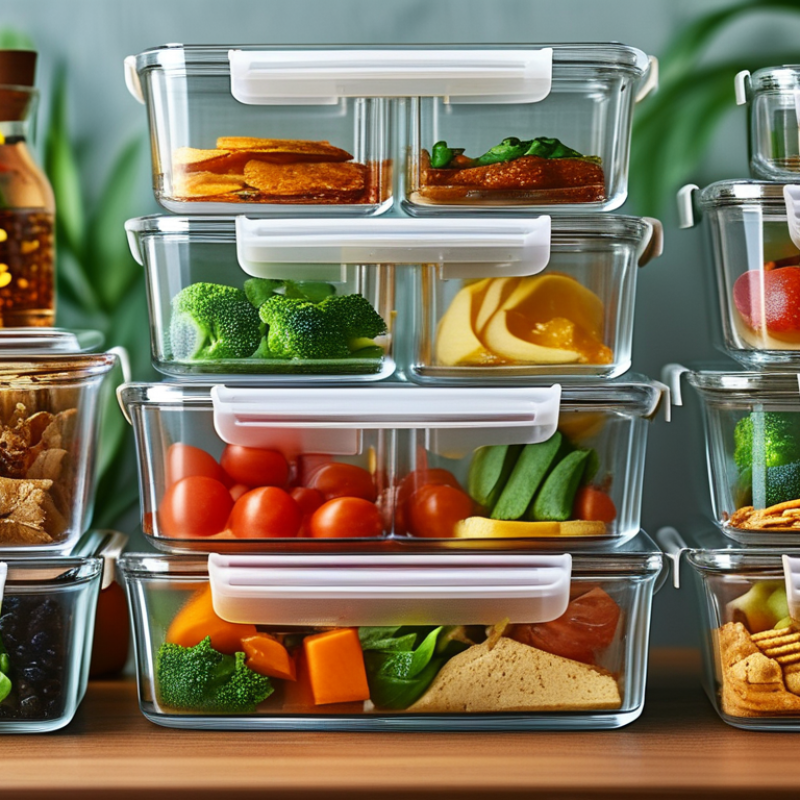
When choosing food containers, several important factors come into play. Material is crucial; glass, stainless steel, and BPA-free plastics each have unique properties. Glass containers are often preferred for their durability and non-reactive nature. Research shows that around 85% of consumers opt for BPA-free products due to health concerns. This indicates a growing awareness of food safety.
Size and shape matter too. Depending on your lifestyle, you might need various sizes for different meals. Avoiding bulky containers can make meal prep easier. A recent report indicates that 70% of busy families favor stackable options for efficient storage. Flexibility is valuable. Some containers can transition from fridge to microwave, saving you time.
Tips: Consider investing in clear containers. This makes it easier to see contents at a glance, helping reduce food waste. Also, look for airtight designs; they can keep food fresh longer.
Lastly, the ease of cleaning shouldn’t be overlooked. Many users express frustration with containers that are difficult to clean, highlighting the importance of easy-care options. Choosing the right containers can make a significant difference in your daily routine.
Different Types of Box Food Containers and Their Uses
When selecting food containers, consider the different types available. Glass containers are durable and non-reactive. They don't hold odors, which keeps your food fresh longer. However, they can be heavy and break easily. If you’re managing kids’ lunches or picnics, these are important factors to contemplate.
Plastic containers are lightweight and versatile. Many styles are available, from microwavable to freezer-safe options. They come in various sizes. However, some may warp over time or retain stains from certain foods. Keep this in mind when choosing. Stainless steel containers are eco-friendly, but they can be more expensive.
You might also explore silicone containers. They are collapsible and save space but may not be as sturdy as others. There are benefits and drawbacks to every container type. Consider your specific needs carefully. Think about what you'll be storing. This will guide your decision. The right container can enhance your meal prep experience.
Material Options for Food Containers: Pros and Cons
When selecting food containers, the material plays a crucial role. Each type of material has its own advantages and disadvantages. Glass containers are known for durability. They resist stains and odors. However, they can be heavy and breakable. Consider how often you will use them. If you pack meals for work, glass might not be ideal.
Plastic containers offer
lightweight convenience. They are unbreakable and often affordable. But concerns arise regarding chemical leaching, especially with high temperatures. Some plastics are safer than others. It’s essential to check for
BPA-free labels. Many people overlook this aspect.
Stainless steel is another option. It is long-lasting and often insulated. Still, it can be pricier than other materials.
Ultimately,
material selection should meet your daily needs. Reflect on how you'll use the containers. Think about how easy they are to clean. Will they fit your lifestyle? Consider these factors before making a purchase. Not all options suit everyone. The best choice is one that aligns with your habits and preferences.
Size and Capacity: Finding the Right Fit for Your Needs
Choosing the right size and capacity for food containers is crucial for meal prep. Not all containers are built for every purpose. Think about the ingredients you store. Large salad mixes or bulk grains need bigger containers. For sauces or snacks, smaller sizes work just fine.
Consider your available storage. If you have limited space, larger containers may not fit well in your cabinets or fridge. It's easy to overestimate your needs and end up with half-unused containers. Ensure the containers can stack or fit neatly side-by-side.
Pay attention to the lid type as well. Tighter seals are critical for liquids. Yet, they can be harder to open. Striking a balance between convenience and functionality is a must. Assess your daily habits and cooking volume. This reflection will help you avoid the clutter of unnecessary containers. Practical choices often lead to more efficient kitchen organization.
2026 How to Choose the Best Box Food Containers for Your Needs?
Tips for Maintaining and Cleaning Food Containers
Maintaining and cleaning food containers is essential for health. Start by washing them after every use. Food residues can harbor bacteria. Use warm, soapy water to scrub both inside and outside. A soft sponge works best. For stubborn stains, try a baking soda paste. It can effectively tackle tough grime without scratching.
Storing food containers properly is equally crucial. Stack them neatly to minimize space. Allow them to air dry completely before putting the lids on. Moisture can lead to mold growth. Check for any cracks or wear. Damaged containers may not protect your food well. Discard those that are too worn out.
Consider natural cleaning solutions, too. Vinegar and baking soda are effective disinfectants. They can help keep your containers safe and clean. However, be cautious; some materials may react poorly. Always read guidelines for your specific containers. This attention helps maintain their durability and performance.
