How to Choose the Best CNC Components for Your Projects?
Choosing the right CNC components is crucial for successful machining projects. CNC components significantly influence accuracy, efficiency, and overall project cost. According to a report from Technavio, the global CNC machine market is expected to grow by over 5% annually, highlighting the increasing importance of these components.
In modern manufacturing, precision is key. Selecting high-quality CNC components can enhance productivity and reduce downtime. For instance, using superior linear guides can improve motion control. However, the market offers various options, making it challenging to identify the best components for specific needs. Quality often varies, which can lead to suboptimal results if the wrong choices are made.
Additionally, the integration of smart technology in CNC systems demands careful consideration of components. As automation grows, ensuring compatibility with other technologies becomes essential. Manufacturers may need to rethink their component choices to keep up. In this evolving landscape, understanding the nuances of CNC components is essential for achieving desired outcomes in any project.
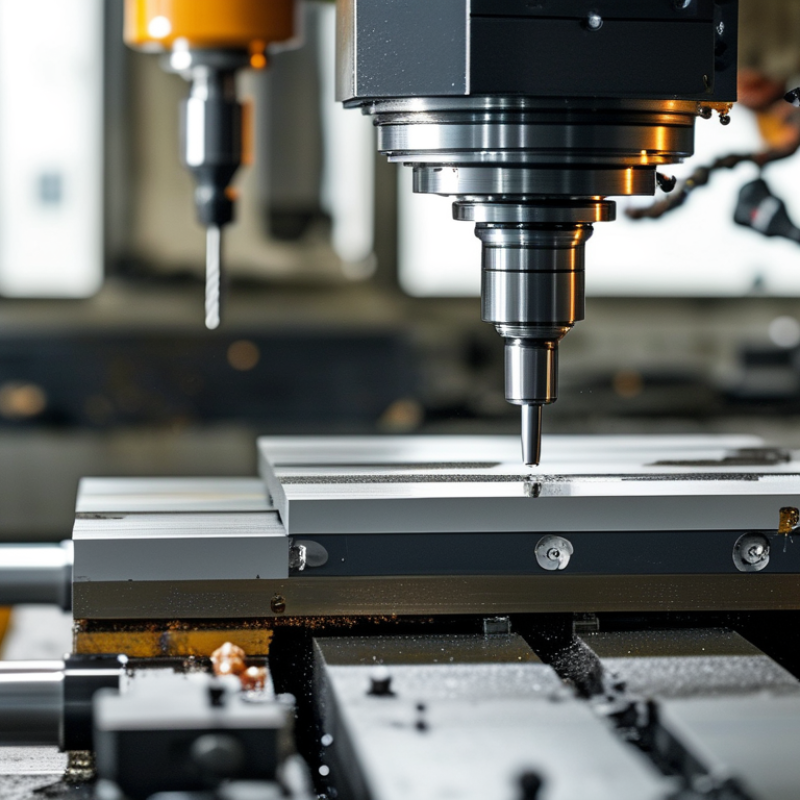
Understanding CNC Components: An Overview of Key Elements
CNC (Computer Numerical Control) components form the backbone of any CNC machine. Understanding their roles is crucial for project success. Key elements include motors, controllers, and frames. Each part contributes to the overall performance and accuracy of the machine. A high-quality stepper motor, for instance, provides precise movements. However, not all motors are created equal, and choosing the right one can be challenging.
The controller directs the machine's functions. It's often the heart of the operation, translating G-code into machine movements. Users must evaluate compatibility with other components. A mismatch can lead to inefficiency. Frames should provide stability, but the choice of material can affect rigidity and weight. Some materials may not withstand heavy-duty use, leading to potential failures. It's essential to think about long-term use and stress.
When selecting components, consider both specifications and user reviews. Each choice impacts your project's outcome, so reflect on your specific needs. Mistakes can arise from overlooking small details, creating costly delays. Balancing quality and budget is key. Always seek advice from seasoned professionals to make well-informed decisions. Their insights can help you refine your choices, leading to improved results.
Comparison of CNC Components Based on Popularity and Usage
This bar chart illustrates the popularity index of various CNC components used in machining projects. The data represents how widely these components are utilized in the industry, providing insight into which types of CNC machines are most favored among users.
Identifying Your Project Requirements for CNC Components
When embarking on a CNC project, understanding your project requirements is critical. Begin by assessing the material types you will work with. For instance, aluminum may require different cutting tools compared to harder materials like titanium. According to a report by the International Journal of Advanced Manufacturing Technology, the right tool selection can enhance production efficiency by up to 30%. Consider the physical dimensions of your components as well. Precision in sizing impacts the success of the machining process.
Next, evaluate the complexity of your designs. Are they simple or intricate? Complex geometries may necessitate advanced CNC components, while simpler designs might suffice with standard parts. An analysis from Machining Technology indicates that projects with refined design specifications often yield a 20% decrease in scrap rates. Reflect on your experience with CNC machining. Familiarity with certain components may influence your choices, so choose what you are comfortable with.
Finally, always think about scalability. Will your project evolve over time? If yes, selecting modular CNC components can save costs in the long run. According to industry research, companies that invest in adaptable technologies see significant growth and improved productivity. Identifying these requirements clearly sets the foundation for successful CNC machining.
Evaluating Material Types and Their Compatibility with CNC Components
Choosing the right materials is crucial for CNC projects. Different materials interact uniquely with CNC components. Soft materials like foam are easier to cut but may not provide the durability needed. Hard materials, like metals, require specialized tools and settings. Understanding these differences is important for successful outcomes.
When selecting materials, consider compatibility. For instance, plastics can become brittle over time when exposed to heat. Metals may cause wear on your tools if not paired correctly. Testing smaller pieces before committing to large projects can save time and resources.
Tips: Always check the material's specifications. Make sure it aligns with your CNC machine capabilities. Ensure your tools are suitable for the chosen material. Do not skip this step; it can lead to costly errors. Consistent testing and adjustments are necessary for perfect cuts.
Assessing Precision and Tolerance Levels in CNC Equipment
When selecting CNC components, precision and tolerance levels are crucial. The accuracy of your projects directly hinges on these factors. Take, for instance, a milling machine. Its ability to produce intricate designs depends on how well it maintains tight tolerances. A deviation of just 0.1 mm can lead to significant errors in the final product.
Understanding the specifications of your CNC machine is essential. Not all machines can handle the same levels of precision. For intricate tasks, higher precision is necessary. Research shows that CNC equipment with a tolerance of 0.01 mm is ideal for complex projects. However, achieving such precision requires a solid understanding of the machine's capabilities. Many beginners overlook this and face challenges later on.
As you consider your equipment, think about the materials you will be working with. Harder materials often necessitate tighter tolerances. An oversight here can lead to scrapped parts and wasted time. It's not just about choice; it's about assessing how each component fits into your project’s goals. Continuously evaluating your needs will lead to better outcomes in your CNC endeavors.
Comparing Manufacturers and Suppliers for Quality and Reliability
When choosing CNC components, the manufacturer's reliability is crucial. Quality varies across suppliers. Checking their reputation is essential. Look for reviews and testimonials from other users to gauge satisfaction. This research lays a solid foundation for decision-making.
Tips: Always ask for samples. Testing components can reveal unseen issues. If a manufacturer hesitates, consider it a red flag. Certifications matter. Verify if the manufacturer adheres to industry standards. This ensures compliance and quality assurance.
Understand your project requirements deeply. Compatibility with your CNC machine is vital. Assess the component’s specifications carefully. A poorly matched part could lead to costly errors. Don't rush this process; it's easy to overlook details. Reach out for expert opinions. Sometimes, a second perspective can illuminate blind spots.
