2026 How to Choose the Best ATV Sprayer Tank for Your Needs?
Choosing the right ATV sprayer tank can greatly impact your efficiency in various tasks. According to Mike Johnson, an industry expert with over 20 years of experience, "Selecting the right ATV sprayer tank is crucial for optimal performance." An ideal tank can enhance productivity, making your work seamless.
When exploring options for an ATV sprayer tank, consider your specific needs. Different tasks demand different tank capabilities and features. You may need a larger tank for extensive areas or a smaller one for focused applications. Pay attention to the material, as it affects durability and ease of cleaning.
However, not every choice will be perfect. Sometimes, users may opt for tanks that don’t fully meet their needs. This could lead to inefficiency or even damage over time. Reflecting on the importance of fitting the right equipment to your task can save time and resources. Explore your requirements to ensure you find the best match for your needs.
Factors to Consider When Selecting an ATV Sprayer Tank
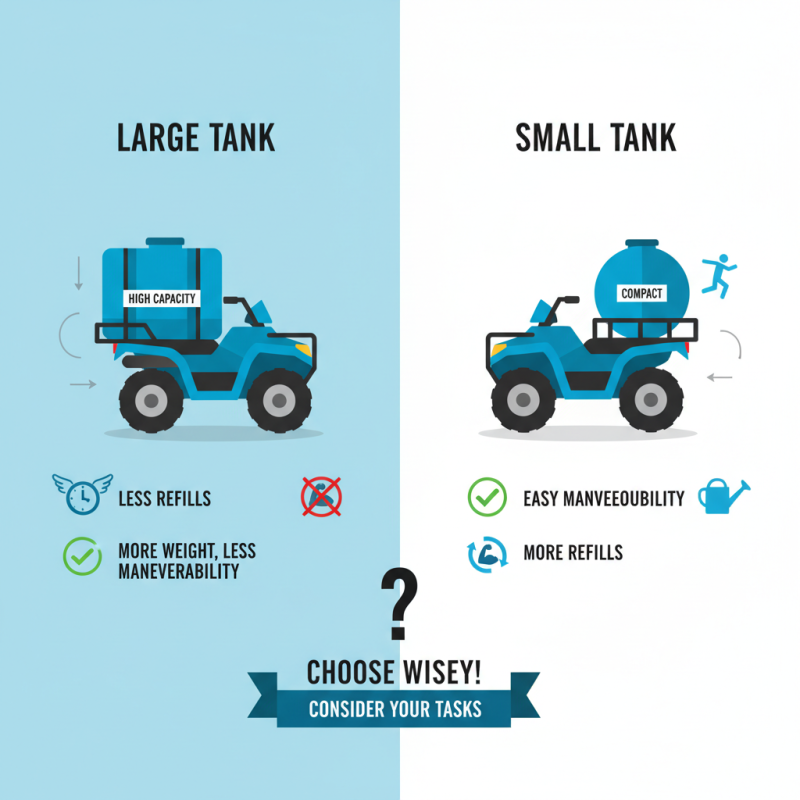
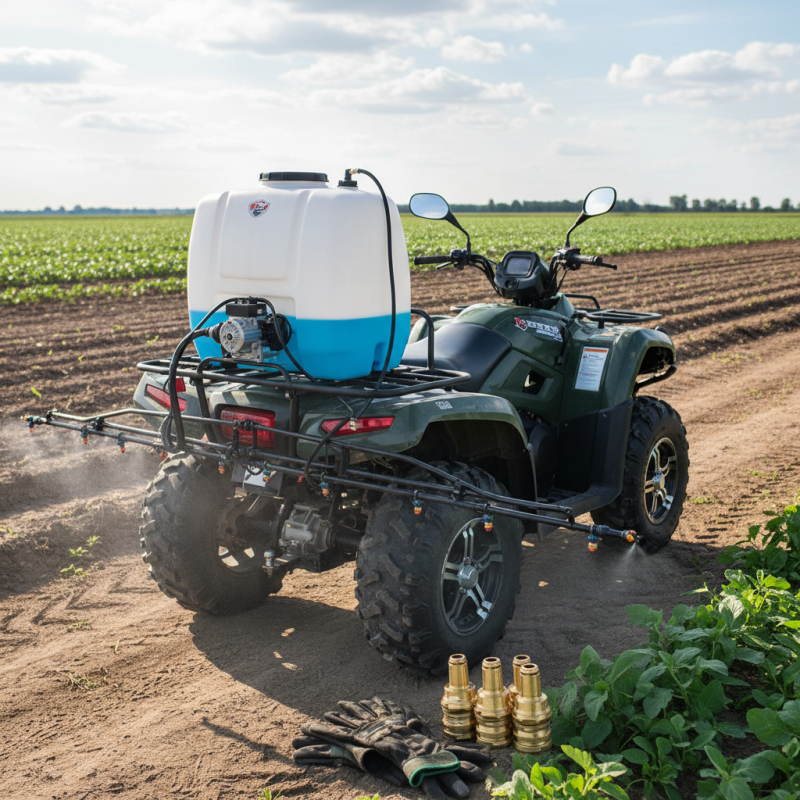
When selecting an ATV sprayer tank, several factors are worth considering. Size is crucial. Think about the types of tasks you’ll perform. A larger tank may hold more liquid, but can add weight. Balance is key when navigating rough terrain. Consider portable options if you'll frequently change locations.
Material also matters. Look for durable vessels that can withstand chemicals. Polyethylene offers resistance and is lightweight. However, metal tanks may provide better longevity. It's essential to weigh the pros and cons of both.
Lastly, pump efficiency impacts your experience. A higher flow rate allows faster coverage but may increase the likelihood of overspray. Pay attention to nozzle options as well. Multiple nozzle types can cater to various applications. Don't overlook these details; they can make or break your spraying tasks. Choosing the right tank often involves trial and error. Embrace this process to find the perfect match for your needs.
2026 ATV Sprayer Tank Selection Factors
Types of ATV Sprayer Tanks: Understanding Your Options
When choosing an ATV sprayer tank, it’s essential to understand the various types available. There are three main categories:
boom sprayers,
spot sprayers, and
tank sprayers.
Boom sprayers cover wide areas efficiently, making them ideal for larger tasks.
Spot sprayers, on the other hand, are perfect for targeted applications. They often have adjustable nozzles,
allowing for precision.
Tank sprayers offer versatility, allowing for different attachments. A larger tank can hold more liquid,
reducing the need for frequent refills. However, it can add weight and affect maneuverability.
Consider how much you can comfortably carry. The material of the tank also matters.
Plastic tanks are lightweight but may not withstand harsh conditions
as well as metal tanks.
It's vital to assess your specific spraying needs. How often will you use the tank? What terrain will you navigate?
Sometimes, features that seem necessary may not suit your actual requirements. Reflecting on your choices can help
avoid costly mistakes down the line. Always base your decision on practicality rather than flashy features.
Balancing size, type, and weight will lead you to the right sprayer tank.
Key Features to Look for in an ATV Sprayer Tank
When choosing an ATV sprayer tank, consider the size. A larger capacity tank can save you time on refills. However, it adds weight. This might affect maneuverability. Think about how you’ll use it. If your tasks are small, a smaller tank may be best.
Next, look at the material. A durable tank made from high-density polyethylene is ideal. It resists dents and UV damage. Transparency is also crucial. You want to see the liquid level at a glance. Some tanks offer a sight gauge for this purpose, which is helpful.
Consider mounting options, too. Not all tanks fit all ATVs. Check compatibility. Adjustable straps can be a benefit. They help secure the tank for rough terrain. Your comfort during operation matters. An awkward fit may lead to spillages or accidents. You need something that feels balanced. Take time to reflect on these details before purchasing.
Capacity and Size: Choosing the Right Fit for Your ATV
When choosing an ATV sprayer tank, capacity and size are crucial. The right fit ensures efficiency in your tasks. A small tank might not hold enough liquid for larger areas. Conversely, a tank that’s too big can weigh down your ATV and compromise stability.
Consider the type of work you’ll be doing. If you’re spraying a small garden, a lighter and smaller tank might suffice. For larger fields, opt for a tank with a greater capacity. This minimizes refilling trips and maximizes productivity.
Tips: Think about the weight distribution on your ATV. A well-balanced setup improves handling. Also, take note of the shape. Some tanks fit better in specific ATV models. Always double-check measurements before making a purchase. Don’t rush this decision; re-evaluate your needs as your tasks evolve.
2026 How to Choose the Best ATV Sprayer Tank for Your Needs?
| Feature |
Description |
Recommended Capacity |
Use Case |
| Tank Size |
The physical dimensions of the sprayer tank. |
10 - 25 gallons |
Residential and small acreage applications. |
| Material |
Material used in construction (plastic, metal). |
N/A |
Determine based on chemical compatibility. |
| Pump Type |
Type of pump used for delivering the spray. |
N/A |
Depends on application type (e.g., diaphragm, roller). |
| Pressure Rating |
Maximum pressure the system can handle. |
30 - 60 PSI |
Select based on spray distance and coverage needs. |
| Hose Length |
Length of the hose attached to the tank. |
15 - 25 feet |
For ease of movement during application. |
Maintenance and Care Tips for ATV Sprayer Tanks
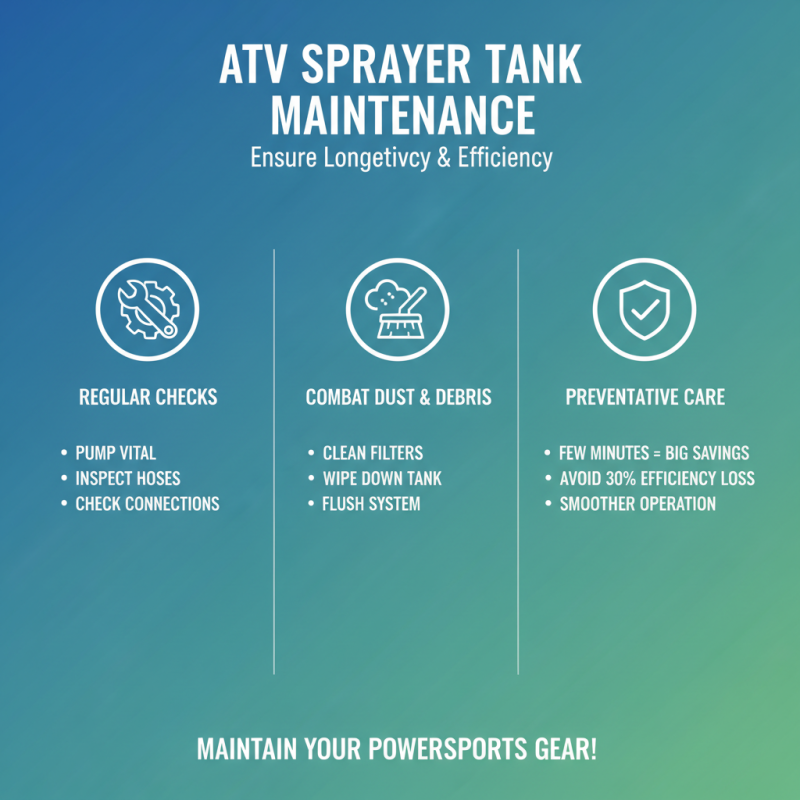
ATV sprayer tanks require regular maintenance to ensure longevity and efficiency. Regular checks on the pump are vital. Dust and debris can accumulate, affecting performance. A few minutes spent cleaning can prevent larger issues down the road. According to industry reports, neglecting this step can reduce efficiency by up to 30%.
Inspect the hoses and connections frequently. Cracks or leaks can compromise your spraying effectiveness. In many cases, a simple visual inspection could save you from costly repairs later. Consider storing your tank empty when not in use to prevent damage. This practice can extend the life of your equipment.
Always check for residue build-up after each use. It can lead to clogs and diminished performance. Some users forget this crucial step, leading to frustrating spraying sessions. Remember that proper storage is just as important. Keeping the tank out of direct sunlight can help avoid the degradation of materials, which can happen faster than expected. Neglecting these tips may lead to avoidable problems, requiring a re-evaluation of your maintenance routine.