
How to Choose the Best Water Purification Unit
Choosing a Water Purification Unit starts with your water, not the product label. A clear glass can still contain contaminants, while an unpleasant taste does not reveal exactly what is present. Begin with a recent water-quality report or a reliable test. Note specific concerns, such as lead, chlorine, sediment, or microbial contamination. Different technologies target different substances. A carbon filter may improve taste, but it is not a universal solution. That distinction matters.
Water expert Dr. Peter H. Gleick has said, “Water is the most critical resource issue of our lifetime and our children's lifetime.” His words remind us that safe water deserves careful decisions, not guesswork. Compare a unit’s independently verified reduction claims with the contaminants identified in your water. Check relevant NSF/ANSI certifications, but confirm that the certification covers the specific reduction you need. Also consider flow rate, daily capacity, installation space, and replacement-filter costs. A compact under-sink system may suit a small household; a family with heavy use may need more capacity.
I once thought more filtration stages automatically meant better protection. That assumption can be wrong. Extra stages may add cost without addressing your actual water concerns. Maintenance is easy to overlook, too. A filter left unchanged may perform poorly, even when the original system was well suited. The right choice balances verified performance, practical upkeep, and your household’s needs. Start with evidence. Then compare options carefully, and revisit the decision when your water source or test results change.
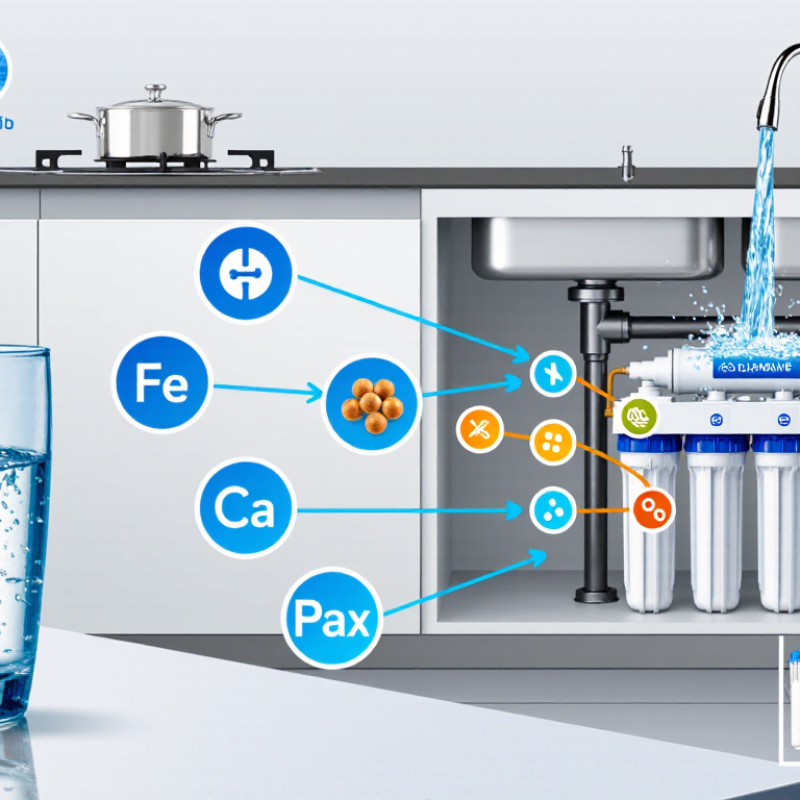
Identify the Water Source and Its Contaminants
Start with the source. Municipal water and private wells need different checks. For city water, read the latest Consumer Confidence Report. It lists detected contaminants and violations. Then consider your household plumbing: lead can enter water after treatment, especially through older service lines. Looks are misleading. Clear water may still contain dissolved nitrate, arsenic, or PFAS. A 2023 USGS study estimated that at least one PFAS may be present in about 45% of U.S. tap water. That is a national estimate, not a finding about every home.
For a private well, use a state-certified laboratory. Taste and simple test strips cannot reveal every risk. Ask about coliform bacteria, nitrate, and pH. Include locally relevant contaminants, such as arsenic or agricultural chemicals. CDC recommends annual testing for several basic indicators, and testing after flooding or repairs is also sensible. Private wells are not regulated under the federal Safe Drinking Water Act, so owners must check their own water. One limitation matters: a sample is only a snapshot. Use results to select treatment for specific contaminants, then retest to confirm the unit is working.
How to Choose the Best Water Purification Unit - Identify the Water Source and Its Contaminants
| Water Source | Potential Contaminants or Concerns | Useful Tests or Indicators | Treatment Options to Consider | Selection Notes |
|---|---|---|---|---|
| Municipal tap water | Disinfectant taste or odor; lead from plumbing; hardness; nitrate or other contaminants depending on the local supply. | Review the local water quality report; test tap water for lead if plumbing is a concern; test for specific contaminants when indicated. | Activated carbon for many taste and odor issues; a certified lead-reduction filter for lead; reverse osmosis for certain dissolved contaminants. | Choose a unit certified for the specific contaminant of concern. A general-purpose filter does not remove every contaminant. |
| Private well | Bacteria such as coliforms; nitrate; arsenic; iron or manganese; hardness; naturally occurring minerals. | Laboratory testing for bacteria and locally relevant chemicals; test after changes in taste, color, or odor and after flooding or repairs. | Disinfection, such as ultraviolet treatment, for suitable microbial control; contaminant-specific media; reverse osmosis for some dissolved substances. | Test the water before selecting equipment. Disinfection does not remove chemical contaminants, and chemical treatment does not necessarily kill microbes. |
| Surface water, such as a lake or stream | Microorganisms, suspended sediment, organic matter, and possible agricultural or runoff-related contaminants. | Microbial and chemical testing appropriate to the site; observe turbidity and seasonal changes, but do not rely on appearance alone. | Validated filtration followed by disinfection; additional treatment may be needed for identified chemical contaminants. | Untreated surface water can carry pathogens even when it looks clear. Use a treatment system designed and verified for the intended application. |
| Rainwater collection | Roof debris, sediment, microbes, and contaminants introduced by roofing materials, storage tanks, or plumbing. | Test based on the roof and storage system; check for sediment and microbial contamination, especially when water is used for drinking. | Pre-filtration for debris, followed by appropriately validated disinfection; add treatment for any contaminants identified by testing. | Keep catchment surfaces and tanks maintained. A sediment filter alone does not make collected rainwater safe to drink. |
| Water with a salty or brackish taste | Elevated dissolved salts and other dissolved minerals; possible additional contaminants depending on the source. | Measure total dissolved solids and test for source-specific contaminants. | Reverse osmosis or another desalination process designed for the water’s salinity and intended flow rate. | Check the unit’s feed-water limits, production rate, and reject-water requirements. Test treated water to confirm performance. |
| Water with visible sediment, rust, or cloudiness | Suspended particles, pipe corrosion products, or disturbance in a well or distribution system; the cause may require investigation. | Check turbidity and inspect plumbing or the source; test for relevant metals when corrosion is suspected. | Sediment filtration can reduce particles; use additional treatment only after identifying dissolved or microbial concerns. | Cloudiness or discoloration can signal a source or plumbing issue. A particle filter will not necessarily remove dissolved metals or pathogens. |
Important: Treatment performance depends on the specific unit, correct installation, and timely maintenance. Use current water testing and verify that the unit is independently certified for the contaminants you need to reduce.