Why Choose Raffia Woven Bags for Sustainable Fashion?
In the world of sustainable fashion, the Raffia Woven Bag stands out as a symbol of eco-friendly style. As renowned designer Emily Green once said, "Raffia bags are not just accessories; they are statements of conscious living." This sentiment resonates deeply as consumers increasingly seek to marry aesthetics with sustainability.
Raffia woven bags are crafted from natural fibers, making them biodegradable and environmentally friendly. Each bag tells a story, reflecting artisanal craftsmanship and cultural heritage. They serve practical purposes while promoting a message of responsibility. However, the challenge lies in balancing style and sustainability. Many consumers question if these bags can withstand daily use without compromising integrity.
Expert insights indicate that the durability of Raffia Woven Bags often depends on their craftsmanship. Some bags may fray or lose shape over time, reminding us that not every choice comes without trade-offs. Yet, the journey toward sustainable fashion is filled with such considerations. Embracing these bags means engaging with imperfections while championing a worthy cause.
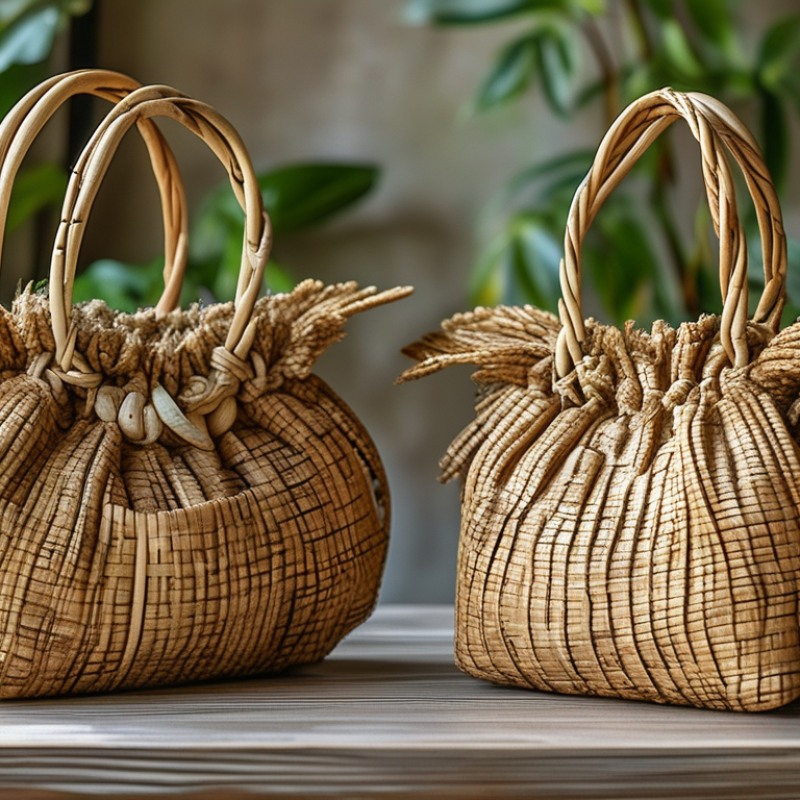
Benefits of Raffia Woven Bags in Sustainable Fashion
Raffia woven bags are gaining recognition in sustainable fashion. These bags are made from natural raffia fibers, sourced from palm trees. Their production generally has a lower environmental impact compared to synthetic materials. Reports indicate that textiles account for around 10% of global carbon emissions. In contrast, raffia production often involves less energy-intensive processes.
One of the key benefits of raffia woven bags is their durability. This material can withstand wear and tear, making it a long-lasting option. According to a sustainability report, up to 60% of fast-fashion items end up in landfills within a year. By choosing raffia bags, consumers can reduce waste significantly. However, it's important to consider that not all production methods are eco-friendly; some may still involve harmful practices.
Raffia bags are also biodegradable. Unlike plastic alternatives, they decompose naturally without releasing toxins. This aspect is crucial as the fashion industry seeks to reduce its ecological footprint. A study found that sustainable materials can reduce environmental impact by as much as 50%. Nonetheless, the industry must continually evaluate sourcing practices to ensure responsible harvesting and production of raffia.
The Environmental Impact of Raffia as a Natural Material
Raffia is a natural material with significant potential for sustainable fashion. Its cultivation has a low environmental impact compared to synthetic fibers. Studies show that raffia cultivation requires less water and energy, promoting eco-friendly practices. This plant fiber can be sourced from tropical regions, which often have rich biodiversity. Harvesting raffia supports local economies while minimizing carbon footprints.
However, there are challenges we must address. Overharvesting can threaten local ecosystems. Responsible sourcing is crucial to prevent degradation of the environment. The World Bank notes that sustainable practices in the raffia trade can lead to better economic outcomes for communities involved. Balancing profit with environmental stewardship is essential.
The durability of raffia woven bags adds to their appeal. They can last for years, reducing the need for replacement and lowering waste. Yet, educating consumers on the benefits of raffia is vital. Many still lean towards conventional materials without understanding the consequences. Initiatives promoting raffia can empower individuals and communities to make sustainable choices.
Durability and Versatility of Raffia Woven Bags
Raffia woven bags are gaining attention in the fashion industry for their durability and versatility. According to a study by the Sustainable Fashion Academy, the demand for eco-friendly materials has increased by 71% in the past three years. This growing interest supports the use of natural fibers like raffia, which offer a robust alternative to synthetic materials.
One of the standout features of raffia is its strength. Reports suggest that raffia fibers can last for decades when properly cared for. This longevity adds value, as buyers seek products that withstand time and use. Moreover, raffia’s flexibility allows for diverse designs, appealing to various consumer tastes. From casual beach outings to formal settings, these bags adapt well. However, the production process is not without its challenges, including sourcing and sustainability concerns that require ongoing examination.
The versatility of raffia woven bags extends to their use in various contexts. They can be crafted into handbags, backpacks, or totes. Industry insights indicate that over 50% of consumers prioritize functionality in their purchases. Yet, imperfections may arise in craftsmanship, affecting the final product. The balance between sustainability and design needs continuous improvement in this evolving market.
Ethical Considerations in the Production of Raffia Bags
Raffia bags are gaining attention in the world of sustainable fashion, not just for their style, but for ethical practices in production. These bags are crafted from natural fibers, primarily from palm leaves. This process often involves local artisans, providing them with fair wages and job security. Ethical sourcing of raffia encourages sustainable agriculture, preserving local ecosystems while supporting individual livelihoods.
However, not all raffia bags are created equal. Some production processes may involve inequitable labor practices or unsustainable harvesting. It's crucial for consumers to research and choose brands that prioritize transparency. Supporting fair production practices leads to a positive impact on communities. It's essential to reflect on our purchasing choices. Are we promoting ethical standards or inadvertently supporting harmful practices?
When opting for raffia bags, consider their lifecycle. These bags can be reused and are biodegradable, which reduces waste. Still, the environmental impact of transporting these products can negate some of their benefits. Consumers need to engage with brands that advocate for local production. This not only minimizes carbon footprints but also reinforces ethical practices within the fashion industry.
Fashion Trends: How Raffia Woven Bags Are Making a Statement
Raffia woven bags are trending this season, blurring the lines between style and sustainability. These bags, crafted from natural fibers, reflect a growing desire for eco-friendly fashion choices. Their unique textures and earthy colors add character to any outfit. They work well for casual outings or beach trips, providing versatility that many fashion accessories lack.
Fashion influencers are embracing raffia bags in various styles. They can be oversized totes or chic clutches. Their handmade nature often results in slight imperfections, which adds to their charm. However, not all raffia bags are equal in quality. It's essential to look for craftsmanship to ensure durability. While they make a statement, they also challenge fast fashion norms.
The resurgence of these bags invites reflection on consumer habits. Are we choosing quality over quantity? Each purchase can impact the environment. As the fashion industry evolves, raffia woven bags encourage us to think critically about our choices. They merge aesthetics with ethics, standing out in a cluttered fashion landscape.
