Why Choose Heavy Duty Steel Grating for Your Project Needs?
Heavy Duty Steel Grating has become a preferred choice for various industrial projects. Leading the conversation in this field, expert John Matthews emphasizes, "Heavy Duty Steel Grating offers unmatched strength and durability for demanding applications." His insight highlights the importance of material choice in ensuring project longevity and safety.
In many environments, steel grating must withstand heavy loads and harsh conditions. Heavy Duty Steel Grating is designed to meet these challenges effectively. It is essential in applications ranging from industrial flooring to walkways. The reliability of these products ensures they remain functional for years. However, some may overlook the installation process. Improper installation can lead to failure in performance, a point worth considering.
While Heavy Duty Steel Grating appears straightforward, each project presents unique requirements. The need for customization can challenge even experienced professionals. Therefore, understanding your specific needs and limitations is vital. This awareness enhances the overall value and effectiveness of your project.
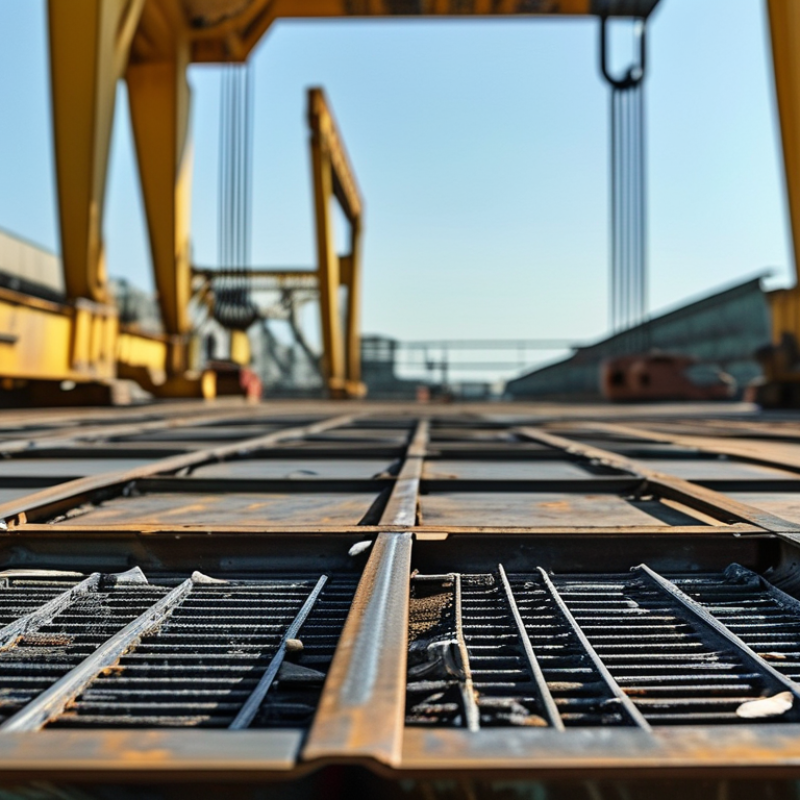
Benefits of Heavy Duty Steel Grating in Industrial Applications
Heavy duty steel grating offers significant advantages for industrial applications. Its robust design ensures durability and strength, making it ideal for heavy loads. According to industry reports, steel grating can withstand weights of over 1,200 pounds per square foot, contributing to safer work environments. This makes it a preferred choice in sectors like manufacturing and construction, where safety is paramount.
In addition to strength, heavy duty steel grating is resistant to corrosion and harsh chemicals. This resistance extends the lifespan of installations. Studies indicate that proper maintenance can enhance the longevity of grating by up to 30%. Therefore, investing in quality steel grating not only ensures safety but also reduces long-term costs associated with replacements and repairs.
**Tip:** Regularly inspect your steel grating for signs of wear or corrosion. Early detection can save you time and money.
One potential downside is the initial cost. Heavy duty steel grating can be more expensive than alternatives. However, the return on investment is often evident in reduced maintenance needs and fewer replacements. An evaluation of your specific situation is crucial for making informed decisions.
**Tip:** Consider engaging with industry experts to evaluate the best materials for your project. Their insights can help optimize your choices.
Durability and Longevity: The Key Features of Heavy Duty Steel Grating
Heavy duty steel grating offers exceptional durability and longevity, making it a smart choice for various projects. According to industry reports, these gratings can withstand extreme loads exceeding 40,000 pounds. This impressive strength reduces the risk of structural failures, which can be costly. Projects often involve significant investment, so ensuring lasting materials is critical.
In harsh environments, steel grating stands out. Corrosion resistance is vital, and hot-dip galvanization significantly enhances longevity. Studies show that properly galvanized steel can last over 50 years in coastal areas. Regular maintenance is still necessary, but this longevity reduces overall lifecycle costs.
Design versatility also plays a vital role. Heavy duty steel grating can adapt to various applications, including walkways and industrial flooring. Its load-bearing capacity supports heavy machinery. Ultimately, the right choice of materials, especially the often-overlooked aspects of maintenance and environmental factors, can impact overall project success.
Comparative Analysis: Steel Grating vs. Other Grating Materials
When considering the right material for grating, steel grating stands out in several ways. Its strength and durability make it ideal for heavy-duty applications. In contrast, plastic gratings may crack under pressure, and aluminum can corrode over time. Steel grating offers longevity, even in harsh environments. It resists heavy loads, making it suitable for industries like construction and transportation.
Tips: Always assess the specific needs of your project. Consider load capacity when choosing materials. Steel grating is excellent for heavy loads, but look for galvanized varieties in corrosive areas.
Another factor is maintenance. Steel grating requires less frequent replacement than alternatives like wood or plastic. Wooden grates can rot, while plastic options may warp or fade. Steel grating, when properly maintained, provides reliable and consistent performance.
Tips: Regular inspections can prevent costly replacements. Make sure to keep the surface clean to avoid slips.
Considering these aspects helps in making an informed choice. Assess not just the initial cost but long-term value as well. Heavy-duty steel grating may seem more expensive upfront, but its durability can lead to savings over time.
Safety Considerations: How Heavy Duty Steel Grating Enhances Workplace Security
Heavy duty steel grating plays a vital role in enhancing workplace safety. Its design allows for superior load-bearing capabilities. This makes it ideal for high-traffic areas, reducing the likelihood of structural failure. The open design also facilitates drainage, eliminating the risk of slippery surfaces in wet conditions. This can significantly lower the chances of accidents in industrial settings.
Tips: Always inspect the grating for wear and tear. Regular maintenance can prevent potential mishaps and ensure long-term safety.
Moreover, choosing the right thickness and spacing is crucial. Heavier applications require thicker grating and closer spacing. This choice will enhance safety and durability, minimizing the risk of injuries. Prioritizing these factors can lead to a more secure working environment.
An often-overlooked aspect is the installation process. Proper installation is essential for maximizing the effectiveness of heavy duty steel grating. If incorrectly installed, even the best materials may fail. Review installation guides and rely on professional assistance when necessary. Safety is non-negotiable, and attention to detail can make a difference.
Why Choose Heavy Duty Steel Grating for Your Project Needs? - Safety Considerations: How Heavy Duty Steel Grating Enhances Workplace Security
| Dimension | Description | Safety Benefits |
| Load Capacity | Able to withstand heavy loads, suitable for industrial settings | Reduces the risk of structural failure and workplace accidents |
| Slip Resistance | Designed with anti-slip surfaces | Minimizes slips and falls, enhancing traction in wet conditions |
| Corrosion Resistance | Coated with protective finishes | Increases lifespan and maintains safety standards |
| Ease of Installation | Simple and quick installation options | Reduces downtime and enhances workplace efficiency |
| Versatility | Applicable in various environments, including factories and walkways | Provides safety solutions for multiple industries |
Installation and Maintenance: Best Practices for Heavy Duty Steel Grating
When selecting heavy-duty steel grating, installation and maintenance are crucial aspects. Proper installation techniques can significantly enhance the safety and longevity of the grating. According to the American Institute of Steel Construction, improper installation can lead to failures, risking both property and lives. For instance, align grating panels correctly and ensure they are securely fastened. Regular inspection after installation is essential to identify shifts or corrosion early.
Maintenance can be equally important. Studies indicate that well-maintained steel grating can last up to 30 years. Regular cleaning helps prevent debris buildup, which can cause slips or blockages. Not all environments are the same. In corrosive settings, for instance, using protective coatings may be necessary. However, over time, even the best coatings might wear off. Inspecting these areas regularly provides insight into when maintenance is needed.
While heavy-duty steel grating offers durability, it can also present challenges. Rust formation is a common concern, particularly in humid or wet areas. It's essential to monitor the grating condition consistently. Some facilities may not have established protocols for this, leading to potential issues. Implementing a structured maintenance schedule can improve safety and operational efficiency.
