How to Choose the Best Insulated Bento Lunch Box at Canton Fair?
When attending the Canton Fair, one popular item to consider is the Insulated Bento Lunch Box. This stylish and functional container is perfect for consumers seeking convenience and quality in their meals. The upcoming 2026 Canton Fair offers a unique opportunity to explore various designs and features of these lunch boxes.
As you navigate the expansive exhibition space, look for options that include high-quality insulation materials. These materials are essential for keeping food at the desired temperature. Pay attention to the box’s size and compartmentalization, which affect meal variety and presentation. However, not all products will meet your expectations. Some may lack durability or versatility, leading to a choice that you may later regret.
Using AI-driven tools at the fair can enhance your experience. These technologies help identify suppliers meeting specific certifications, ensuring you invest in a reliable Insulated Bento Lunch Box. Nonetheless, be prepared to evaluate the emotional connection to the designs and brands you encounter. This thoughtful approach can lead you to a lunch box that truly resonates with your lifestyle, rather than settling for a quick buy.
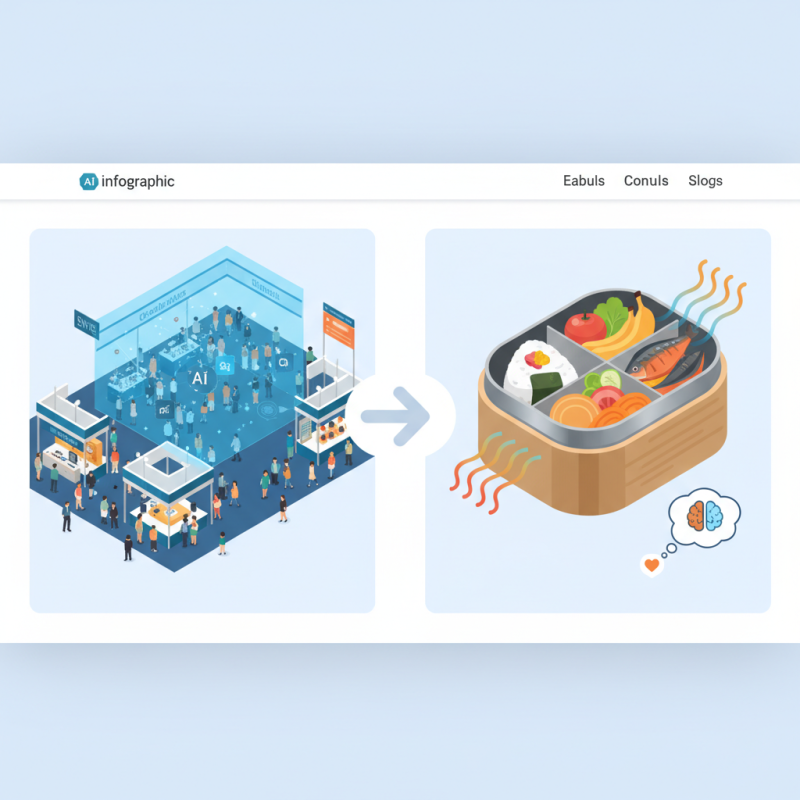
How Insulation Materials Affect Bento Box Performance and Safety
When selecting an insulated bento lunch box, understanding insulation materials is crucial. These materials significantly impact performance and safety. Common insulation materials include foam, vacuum-sealed layers, and Thinsulate. Each has its strengths and weaknesses.
Foam insulation is lightweight and affordable. It provides decent thermal retention, but over time, it may compress and lose efficiency. Vacuum-sealed boxes offer superior retention, keeping food hot or cold for longer. However, they can be heavier and more expensive. Thinsulate is a lightweight option that balances thermal performance and cost, yet not all Thinsulate is equal. Some variants perform better than others.
Safety is another concern. Some insulation materials may contain harmful chemicals. It’s essential to check certifications. Does your lunch box have BPA-free materials? Are safety standards met? These questions should guide your choice. Ultimately, understanding insulation will help you pick a better product. The right choice enhances your meal experience.
How to Choose the Best Insulated Bento Lunch Box at Canton Fair?
| Feature | Importance | Material Type | Insulation Performance | Safety Standards |
| Thermal Insulation | Keeps food hot or cold | Stainless Steel | Excellent (4-6 hours) | FDA Approved |
| Durability | Long-lasting usage | BPA-Free Plastic | Good (2-4 hours) | LFGB Certified |
| Weight | Ease of portability | Aluminum | Moderate (3-5 hours) | Non-toxic |
| Ease of Cleaning | Maintenance and hygiene | Glass | Good (2-4 hours) | Dishwasher Safe |
| Design | Aesthetic and function | Silicone | Fair (1-3 hours) | Food Grade |
Identifying Essential Features for Quality Insulated Bento Lunch Boxes
When attending the Canton Fair, choosing the best insulated bento lunch box can be challenging. Look for materials that offer durability and thermal insulation. Stainless steel and BPA-free plastics are popular choices. These materials ensure that your food stays hot or cold for hours. Additionally, a box with a solid seal prevents leaks and spills.
Consider the size and compartments within the lunch box. A well-designed box can hold a variety of foods securely. Opt for a model with separate sections to avoid mixing flavors. Keep in mind the ease of cleaning. Some designs might not be dishwasher-safe, making them less convenient.
Finally, consider the aesthetic aspect. A visually appealing design makes lunchtime much more enjoyable. However, don't let looks overshadow functionality. A beautiful box that doesn’t keep your food at the right temperature won't serve you well. Listen to feedback from previous users. Others' experiences can reveal strengths and weaknesses that may not be apparent at first glance.
Comparative Analysis of Popular Insulated Bento Brands at Canton Fair
When attending the Canton Fair, choosing the right insulated bento lunch box can be overwhelming. Many brands showcase their products, each claiming to offer superior insulation and design. A comparative analysis of these popular brands reveals distinct differences. Some designs prioritize aesthetics over functionality, while others focus on temperature retention. Features like compartment styles and lid designs vary significantly.
One major aspect to consider is insulation effectiveness. Testing how long lunch boxes maintain temperature can be challenging. Some brands pride themselves on versatility but may fall short in heat retention. Additionally, the materials used for the outer layer can affect durability. Observing how each box withstands minor drops is crucial. Aesthetic appeal might draw you in, but functionality is key for daily use.
The size of the compartments often leads to mixed feelings. Some consumers appreciate larger sections for diverse meal options. Others prefer smaller compartments for portion control. It’s essential to reflect on personal preferences. Ultimately, hands-on experiences are invaluable. Feeling the weight and structure can provide insights that online research may not reveal.
Understanding Food Safety Standards for Bento Lunch Boxes
When selecting an insulated bento lunch box at the Canton Fair, food safety standards should be a priority. Different materials have unique properties affecting food safety. For instance, plastic is common, but not all plastic is safe. Look for BPA-free options. This is crucial for maintaining a safe meal environment.
Another factor is temperature control. Insulated lunch boxes need to keep food hot or cold for several hours. Inspect the insulation material. Stainless steel or double-walled designs often provide superior performance. However, it’s also vital to check for any coatings that may compromise safety.
Ventilation and seals are often overlooked. A secure lid prevents spills but allows steam to escape. The absence of proper ventilation can encourage bacteria growth. Choose lunch boxes with effective airtight seals, but also those that can handle moisture. Food safety is about balance and informed choices, even in design.
Evaluating Eco-Friendly Options in Insulated Bento Lunch Boxes
When selecting an insulated bento lunch box, eco-friendly options are crucial. Many materials used in these boxes can significantly impact the environment. Choosing sustainable materials like bamboo, stainless steel, or recyclable plastics is a great start. These materials are not only safe for the planet but can also keep your food warm or cool effectively.
Tips: Look for products labeled as BPA-free. This ensures no harmful chemicals leach into your food. Also, check for certifications that indicate environmentally friendly manufacturing processes.
It’s essential to consider the insulation quality. Some lunch boxes might promise insulation but fall short in real-world use. Testing for ease of cleaning is also important. You want a product that withstands daily use without extra effort.
Tips: Assess the weight of the box too. It should be lightweight yet durable. Balancing durability with sustainability is key. Reflect on your personal needs versus the environmental impact of your choices.
Insulated Bento Lunch Box Features Comparison
This chart compares various features of insulated bento lunch boxes that are important for consumers. Evaluators score from 1 to 10 based on material quality, insulation performance, eco-friendliness, design variety, and price. A higher score indicates better performance in that category.
