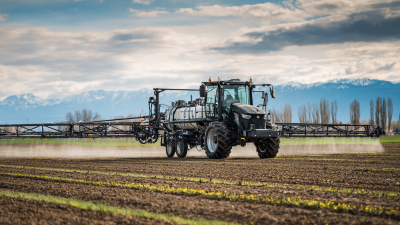
How to Choose the Best ATV Sprayer for Your Farming Needs and Terrain
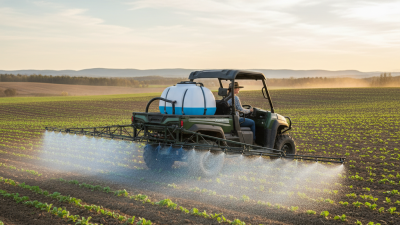
In the rapidly evolving world of agriculture, selecting the right equipment is crucial for maximizing efficiency and productivity. When it comes to applying fertilizers, pesticides, or herbicides, an ATV sprayer can be an invaluable tool for farmers looking to cover large areas quickly and effectively. According to Dr. John Tanner, a leading expert in agricultural machinery, "The right ATV sprayer can not only save time but also ensure that every acre is treated evenly and correctly." This insight underscores the importance of carefully considering factors such as terrain, sprayer capacity, and nozzle options when making a decision.
Farmers often encounter diverse terrains, from flat plains to rugged hills, each presenting unique challenges for effective spraying. Understanding the specific needs of your farming operation is essential in choosing an ATV sprayer that will perform optimally under varying conditions. By evaluating key features and capabilities of different sprayers, producers can tailor their equipment choices to maximize both their investment and the health of their crops.
As we delve into the criteria for selecting the best ATV sprayer for your needs, it's important to keep in mind the balance between functionality and usability. From advanced features that enhance precision to models designed for ease of operation, the ideal ATV sprayer should align with your agricultural goals. This guide aims to provide you with the necessary insights to make an informed choice, ensuring your spraying endeavors contribute to a successful harvest.
Understanding the Different Types of ATV Sprayers Available in the Market
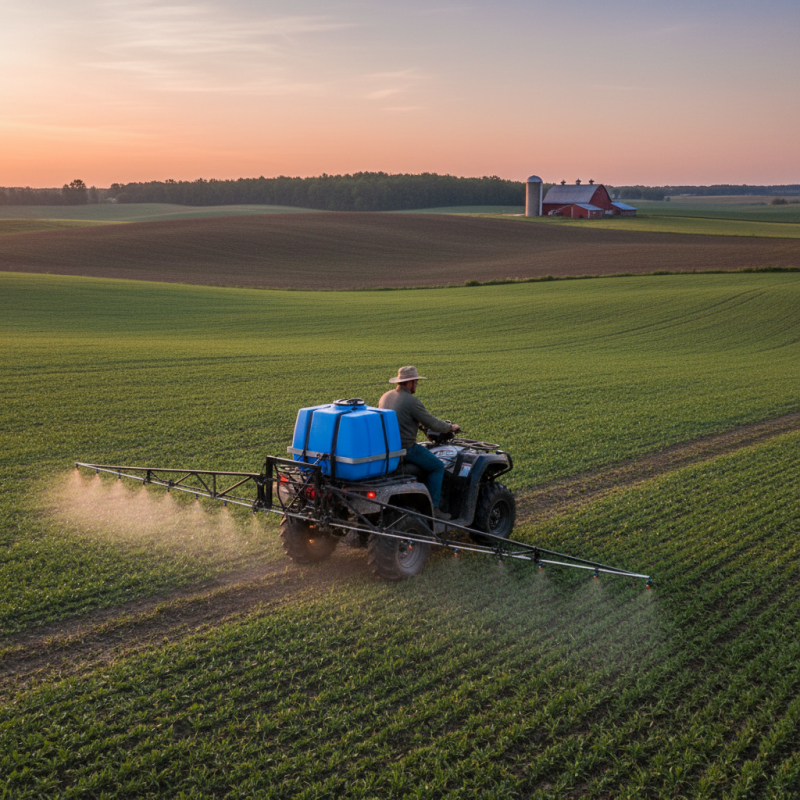
When selecting the best ATV sprayer for your farming needs, it is essential to understand the various types of sprayers available in the market. ATV sprayers can generally be categorized into three main types: tow-behind sprayers, skid sprayers, and backpack sprayers. Each type has its unique advantages tailored to specific applications on different terrains.
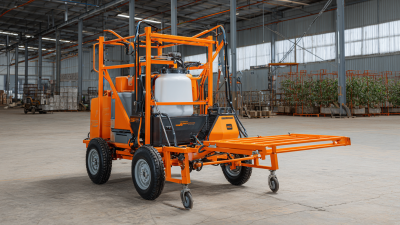
Tow-behind sprayers are ideal for larger areas, as they can be connected to an ATV and used to cover expansive fields efficiently. These sprayers typically come with larger tanks and can deliver higher volumes of liquid, making them suitable for extensive agricultural operations.
On the other hand, skid sprayers are designed to fit directly onto your ATV's cargo bed, providing flexibility and easier maneuverability in tighter spaces. They are excellent for small to medium-sized areas and can be configured for various spray patterns, depending on the task at hand.
Backpack sprayers offer a more hands-on approach, allowing users to carry the spray tank on their back. This type is best for intricate jobs, such as applying fertilizers or herbicides in gardens and around trees, where precision is necessary. They are lightweight and portable, making them perfect for uneven or hilly terrain where maneuverability is key. Each of these sprayer types serves a distinct purpose, so understanding your specific farming needs and the terrain you will be working on is crucial in making the right choice.
Evaluating Your Farming Needs: Size, Capacity, and Workflow Efficiency
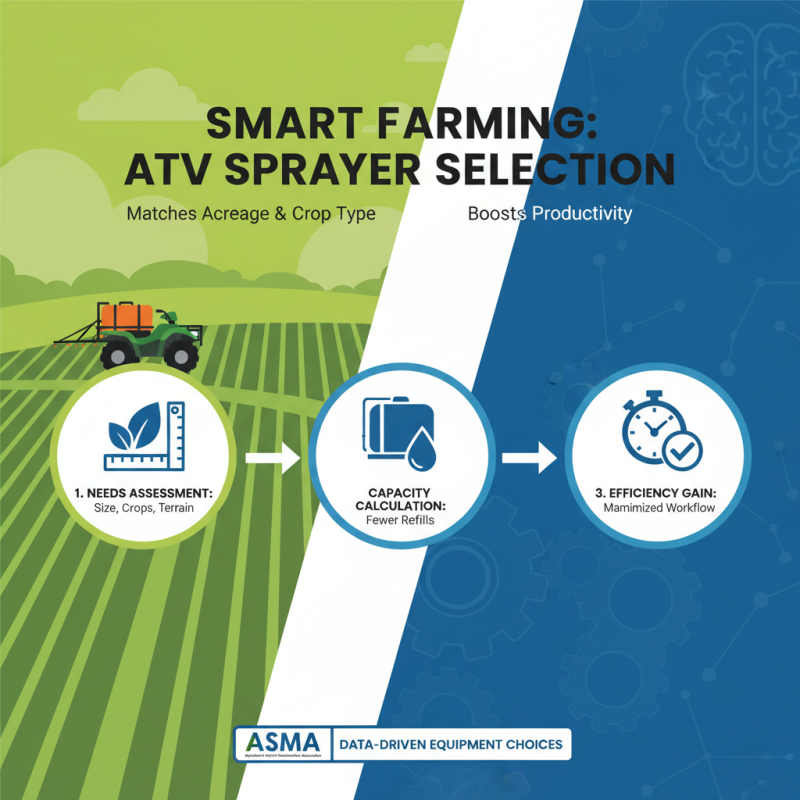
When selecting the best ATV sprayer for your farming operations, it’s essential to evaluate your specific farming needs in terms of size, capacity, and workflow efficiency. According to a report by the Agricultural Sprayer Manufacturers Association (ASMA), the average farm can benefit from optimizing equipment based on the acreage and the type of crops being cultivated. For instance, farms utilizing an ATV sprayer for weeding or fertilizing can face varied demands based on the terrain and the size of the field. A sprayer with a tank capacity that matches the acreage ensures fewer trips back to refill, maximizing productivity.
In terms of capacity, it is vital to consider the rate at which the sprayer can cover the area. Many reports suggest that sprayers with a capacity of 15 to 30 gallons are fitting for smaller operations, allowing around 1 to 2.5 acres of coverage per fill. Furthermore, the efficiency of your sprayer directly ties into your workflow; systems that integrate with farming practices can significantly reduce operational time. According to the US Department of Agriculture (USDA), modern sprayers equipped with precision technology can increase application efficiency by up to 30%, ensuring that farms can protect crops while minimizing waste. Therefore, understanding these elements will lead to a more effective selection of ATV sprayers tailored to your agricultural landscape.
Assessing Terrain Compatibility: How Land Type Influences Sprayer Choice
When choosing the best ATV sprayer for farming, understanding how land type influences sprayer choice is crucial. Different terrains present unique challenges that directly impact the efficiency and effectiveness of spraying operations. For instance, flat, open fields may permit the use of larger sprayers with higher capacities, allowing for quicker coverage of expansive areas. In contrast, hilly or uneven landscapes require compact models that can navigate slopes and rough patches without tipping over or causing damage.
Additionally, soil type and vegetation cover play important roles in selecting an ATV sprayer. Dense brush or heavy foliage can obstruct the sprayer's path, necessitating a model that offers excellent maneuverability and adjustable spray patterns. Farms situated in sandy or loamy soils may also require different tank designs or discharge rates to optimize the delivery of chemicals or nutrients, ensuring thorough and even application. Assessing these terrain characteristics will help farmers choose a sprayer that meets their specific operational needs, ultimately enhancing productivity and safeguarding crop health.
Key Features to Look for in an ATV Sprayer: Pumps, Nozzles, and Control Systems
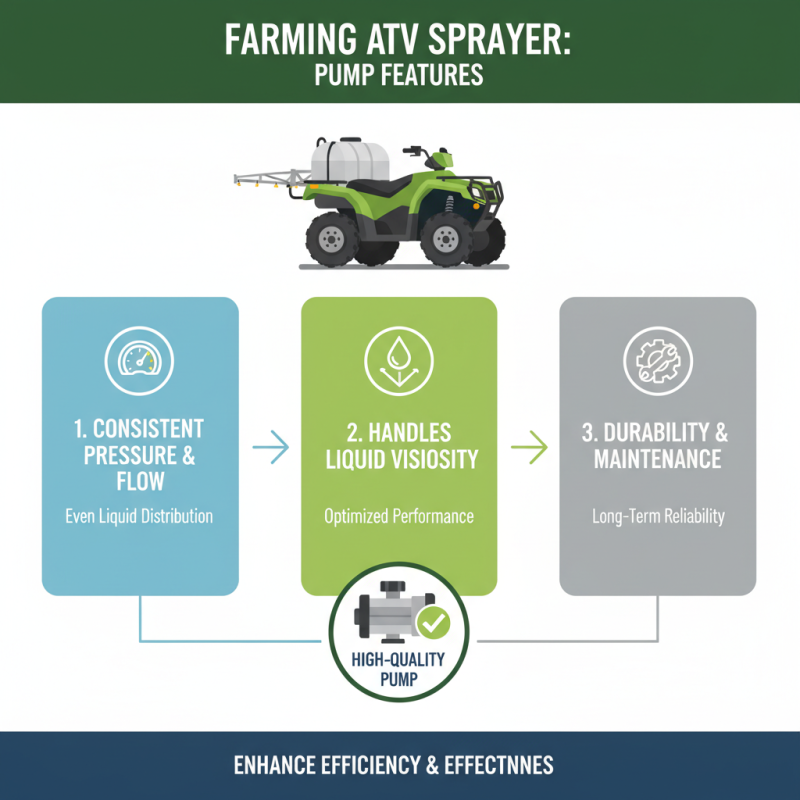
When selecting an ATV sprayer for farming, it’s essential to focus on several key features that can significantly enhance efficiency and effectiveness. One of the primary components to consider is the pump. A high-quality pump ensures consistent pressure and flow, which is crucial for even distribution of liquids. Opt for a sprayer with a pump that can handle the specific viscosity of the liquids you intend to use, as this will impact performance. Additionally, consider the pump's durability and maintenance requirements, as these factors will influence the long-term reliability of your sprayer.
Equally important are the nozzles used in the sprayer system. Different nozzles provide varying spray patterns and droplet sizes, which can be tailored to different crops and applications. For instance, adjustable nozzles allow for versatility, enabling you to switch from a fine mist for delicate plants to a broader spray for larger areas. Furthermore, look for nozzles that are resistant to clogging and easy to clean, as this will enhance the operational efficiency of your equipment.
Lastly, the control system is crucial for the precision application of products. A user-friendly control panel enables easy adjustments to pressure and flow rate, allowing you to adapt quickly to changing conditions or specific spraying requirements. Consider systems that incorporate automatic shut-offs or section control features to minimize waste and maximize coverage. By paying attention to these features when choosing an ATV sprayer, you can ensure that it meets your farming needs and adapts well to your terrain.
The Importance of Durability and Maintenance in Selecting an ATV Sprayer
When selecting an ATV sprayer for agricultural purposes, durability and maintenance are critical factors to consider. These sprayers endure harsh conditions, from rugged terrain to varying weather elements. Choosing a sprayer made from high-quality materials can significantly affect its longevity and performance. Look for models equipped with corrosion-resistant tanks and sturdy frames that can withstand impacts and the rigors of farming tasks. A durable design not only ensures that the sprayer operates effectively under tough conditions but also reduces the likelihood of frequent repairs or replacements.
Regular maintenance is equally important to prolong the life of your ATV sprayer. Make it a habit to inspect the sprayer before and after each use. This includes checking for leaks, ensuring all connections are secure, and cleaning the nozzles to avoid blockages. Establishing a routine maintenance schedule helps in identifying issues early, which can prevent costly repairs down the line.
Tips:
- Keep an eye on all moving parts and lubrication points, as proper lubrication can prevent mechanical failures.
- Store the sprayer in a dry place when not in use, protecting it from harsh elements that could accelerate wear and tear.
- Consult the manufacturer’s manual for specific maintenance guidelines to ensure the best performance and longevity of your ATV sprayer.