Best Water Bottle Options for Global Buyers to Consider?
In today's world, the Water Bottle market is thriving. According to recent statistics from the Global Bottled Water Market Report, the industry is expected to reach $307.9 billion by 2028. This growth reflects a rising consumer demand for convenient and sustainable hydration options. Experts, such as Dr. Emily Thompson, a well-known environmental scientist, emphasize the shift toward eco-friendly materials. She states, “Choosing the right water bottle is not just about convenience; it's about making a responsible choice for the planet.”
With various options available, buyers can consider stainless steel, glass, and BPA-free plastic bottles. Each type offers unique benefits for different lifestyles. For instance, stainless steel bottles are durable and keep drinks cold for hours, while glass bottles provide a clean taste. However, some consumers may overlook the importance of material safety and sustainability. Investing in a high-quality water bottle can significantly reduce plastic waste and promote better health.
As consumers navigate their choices, they must consider functionality and environmental impact. The market is saturated with options, making informed decisions crucial. Remember, a water bottle is more than just a container; it reflects personal values and habits. Finding the right fit might require some research and soul-searching.
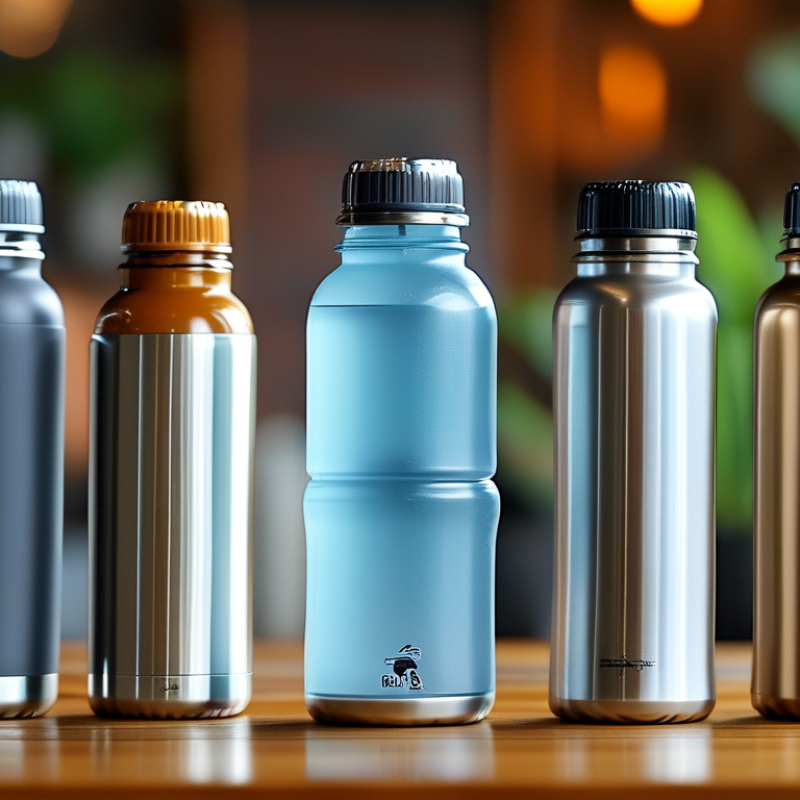
Best Water Bottle Options for Global Buyers to Consider
When selecting the best water bottle options globally, several factors come into play. Different regions have varying preferences based on climate, culture, and local practices. It's essential to consider material durability, portability, and design. Stainless steel bottles offer excellent insulation for hot and cold drinks. Yet, they can feel heavy during long hikes.
A key detail is how the bottle feels in your hand. Ergonomic designs enhance comfort and usability. Leakage is another concern. Many bottles now implement advanced sealing technology to prevent spills. However, some users still report issues with poor seals over time, indicating the importance of quality checks.
Environmentally friendly options are gaining popularity. Reusable bottles reduce plastic waste. They encourage sustainable habits among users. Still, users must remember to clean their bottles regularly. Neglecting this can lead to unpleasant odors or mold. Choices vary significantly across continents, and understanding local needs can aid in making a reliable choice.
Best Water Bottle Options for Global Buyers to Consider
| Material | Capacity (liters) | Insulation | Weight (grams) | Price (USD) |
| Stainless Steel | 0.5 | Double Wall Insulation | 300 | 25.99 |
| BPA-Free Plastic | 1.0 | No | 150 | 12.99 |
| Glass | 0.75 | No | 400 | 20.00 |
| Aluminum | 0.6 | Not Insulated | 250 | 18.50 |
| Collapsible Silicone | 0.5 | No | 100 | 15.99 |
Overview of Water Bottle Types and Their Features
When choosing a water bottle, buyers encounter a variety of options. Each type has unique features that cater to different needs. Stainless steel bottles offer insulation, keeping beverages hot or cold for hours. They are durable and often have a sleek design. This makes them preferred for outdoor activities. However, they can be heavier compared to plastic alternatives.
Plastic bottles are lightweight and often come in vibrant colors. They are suitable for everyday use. Many are reusable, reducing environmental waste. Some people question their safety due to potential chemical leaching. Glass bottles provide a stylish option and are chemical-free. However, they are fragile and can break easily, requiring careful handling.
Choosing the right bottle involves considering personal habits and lifestyle. Some may prefer easy-to-clean options, while others prioritize portability. A user-friendly lid is also important for convenience. Reflecting on these factors can help buyers make informed decisions. Finding a balance between functionality and personal preference leads to better hydration habits.
Best Water Bottle Options for Global Buyers
This chart showcases the popularity of different types of water bottles among global buyers based on features, including material type and intended use.
Criteria for Choosing the Right Water Bottle for Your Needs
Choosing the right water bottle is crucial. Many factors influence this decision. Consider size, material, and functionality. A study by Grand View Research highlighted that the water bottle market is expected to grow at a rate of 6.3% annually. This reinforces the importance of selecting a bottle that suits daily routines and environmental needs.
Material is key in your choice. Stainless steel bottles are both durable and insulated. They keep drinks cold or hot for hours. Meanwhile, plastic bottles offer lightweight options but can sometimes leach chemicals. Look for BPA-free labels for safe alternatives. Remember, studies show that 60% of users prefer reusable bottles for sustainability and quality.
Tips: Evaluate how often you travel or lead an active lifestyle. A foldable bottle may be an innovative solution for the on-the-go. Also, think about cleaning ease. Bottles with wide mouths simplify the cleaning process. Regular maintenance can prevent bacteria buildup. Reflect on these aspects to enhance your daily hydration experience.
Popular Water Bottle Brands Available Globally
When exploring popular water bottle brands globally, it’s essential to consider various factors such as sustainability, design, and functionality. A recent market report indicates that the global reusable water bottle market is projected to reach over $10 billion by 2027, reflecting a growing consumer demand for eco-friendly products. This shift is largely due to heightened awareness of plastic pollution and its impact on the environment.
Among the brands available, many focus on materials such as stainless steel and BPA-free plastics. These designs often include double insulation features, which help maintain beverage temperature for extended periods. Research shows that consumers are increasingly seeking products that offer durability and health safety, with 45% of buyers prioritizing these attributes while making purchasing decisions.
However, not all options are created equal. Some brands may lack transparency about their manufacturing processes or the long-term durability of their products. This inconsistency can make it challenging for buyers to find truly reliable choices. Additionally, the aesthetic appeal of bottles often overshadows functional aspects, leading to potential regret after purchase. Careful consideration is needed to find the right balance between style and functionality in today's diverse water bottle market.
Innovative Water Bottle Designs for Everyday Use
Innovative water bottle designs have transformed everyday hydration. The focus has shifted to functionality and style. According to industry reports, the global reusable water bottle market size was valued at approximately $8.1 billion in 2020 and is expected to grow significantly. This growth is driven by increasing consumer awareness of sustainable practices and the need for eco-friendly alternatives.
Popular designs feature insulated materials to maintain beverage temperatures. Bottles with integrated filtration systems provide fresh, clean water on the go. These innovations cater to active lifestyles and contribute to reducing single-use plastics. However, as new designs emerge, the challenge remains to balance functionality with usability.
Incorporating practical accessories can enhance the experience. Some designs come with built-in carrying handles or detachable straps. These features are helpful for travelers. Nonetheless, it’s important to evaluate the actual usability of these accessories. A bottle may look appealing, but if its cap leaks or the size is inconvenient, it may not fulfill its purpose.
Good water bottle designs should prioritize user experience. Selecting the right bottle should involve personal preferences and real-life application. Consider factors like weight, material, and ease of cleaning. Reflect on what works best for your lifestyle while making sustainable choices.
Conclusion
When selecting the best water bottle for global needs, it's essential to consider the various types available and their unique features. Water bottles come in a variety of materials, including stainless steel, glass, and BPA-free plastics, each offering distinct benefits such as insulation, durability, and safety. Key criteria for choosing the right water bottle include size, portability, ease of cleaning, and specific uses like outdoor activities or daily commuting.
In addition to traditional designs, innovative water bottle options are emerging to enhance convenience and functionality in everyday life. For environmentally conscious consumers, there are also sustainable and eco-friendly choices that minimize environmental impact. Understanding these aspects can help global buyers make informed decisions about the water bottles that best suit their lifestyle and values.
