Best Trailer Sprayers for Effective and Efficient Spraying?
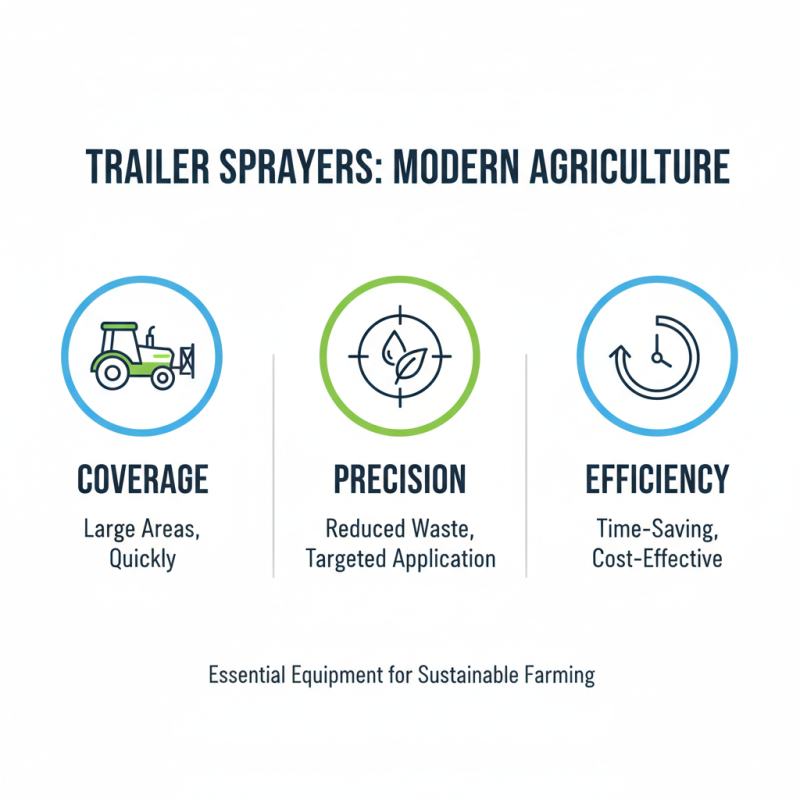
When it comes to effective and efficient spraying, a trailer sprayer stands out as a vital tool. These sprayers are designed for agricultural use, allowing farmers to cover large areas quickly. They can tackle various applications, from fertilizers to pesticides, making them versatile assets.
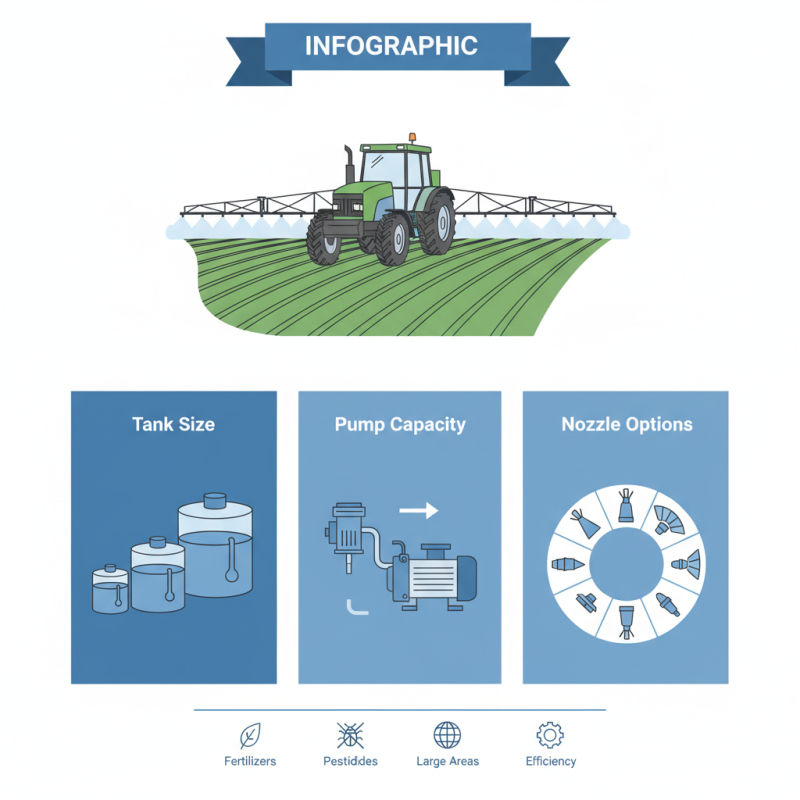
However, not all trailer sprayers are created equal. Some may lack the necessary power or efficiency for your particular needs. Choosing the right trailer sprayer requires careful consideration of tank size, pump capacity, and nozzle options. Buyers often overlook these factors, leading to frustration during use.
In this guide, we will explore the best trailer sprayers available on the market. Each option offers unique features that can enhance your spraying process. You may even find that what worked for others doesn’t suit your specific situation. Making an informed choice is crucial to optimizing your spraying tasks.
Key Features to Consider When Choosing a Trailer Sprayer
When choosing a trailer sprayer, several key features come into play.
One important aspect is the tank capacity.
Larger tanks allow for longer spraying sessions without frequent refills.
Consider the typical size of the areas you’ll be treating. For small plots, a compact sprayer may suffice.
However, for larger fields, a bigger tank is necessary for efficiency.
Spray nozzles also significantly affect performance.
Adjustable nozzles provide versatility, allowing you to switch between different types of sprays.
This can enhance precision and effectiveness. A sprayer with a wide range of nozzle options might be worth considering.
Look for models that allow easy swapping to save time during projects.
Another crucial feature is the pump type.
A diaphragm pump often handles a variety of liquids better than other types.
It offers better pressure control, which is essential for uniform coverage.
You might find that other pump types struggle with certain substances.
It’s a reflection point on your specific needs and the liquid’s viscosity.
An informed choice will lead to better spraying outcomes.
Types of Trailer Sprayers: Tow-Behind vs. Self-Contained Models
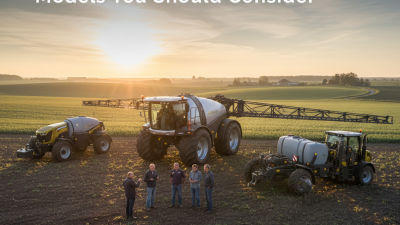
When it comes to trailer sprayers, two main types emerge: tow-behind and self-contained models. Tow-behind sprayers are designed to attach to a tractor or vehicle. They are often larger and can hold more liquid. This makes them suitable for extensive spraying tasks, like large fields or vineyards. However, they require a vehicle to operate, which adds complexity. If your machinery breaks down, the sprayer could be rendered useless.
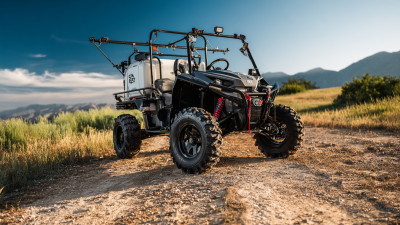
On the other hand, self-contained sprayers are independent units. They have their own engines and tanks. This allows for easy maneuverability. You can use them in tighter spaces where tow-behind models might struggle. But, they usually have a smaller capacity. Frequent refills can slow down the spraying process.
Choosing between these types depends on your needs. Consider the size of your property and the tasks at hand. Each type has its own pros and cons. Some users find tow-behind models cumbersome. Others feel self-contained sprayers lack power. There’s no one-size-fits-all solution. Evaluating these factors will help in making an informed choice.
Essential Components of a High-Performance Trailer Sprayer
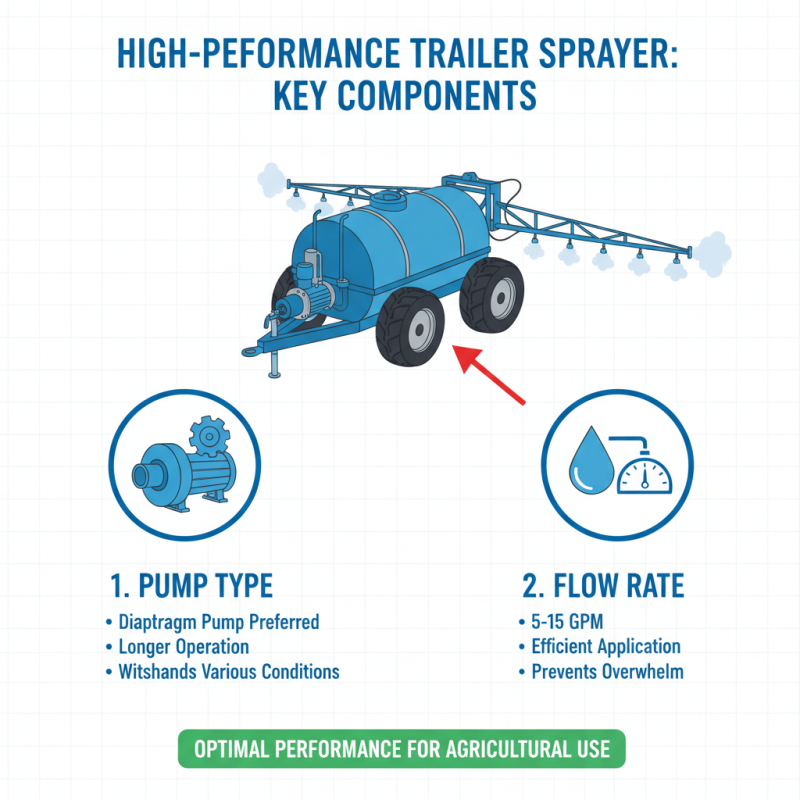
When selecting a high-performance trailer sprayer, it’s essential to focus on its key components. The pump is crucial. A high-quality pump ensures efficiency and even pressure distribution. Most agricultural experts agree that a diaphragm pump can sustain longer operation and withstand various conditions. According to reports, sprayers with a flow rate between 5 to 15 gallons per minute are widely preferred. This range allows for effective spraying without overwhelming the user.
Another important aspect is the spray nozzle design. Nozzles must deliver a fine, uniform spray pattern. This increases coverage and reduces chemical use, minimizing waste. Studies have shown that the right nozzle can improve application efficiency by up to 20%. However, many users overlook the maintenance of these components, leading to inconsistent performance. Regular cleaning and checks are often neglected. This oversight can result in uneven spraying, which affects crop yield.
Tank capacity also plays a significant role. A tank that’s too small may require frequent refills, interrupting workflow. However, larger tanks can add weight and affect maneuverability. The ideal capacity varies by the specific needs of the operation. While a 200-gallon tank is common, some operations may benefit more from a 500-gallon capacity. Finding the right balance requires thoughtful consideration of various factors.
Maintenance Tips for Prolonging the Life of Your Trailer Sprayer
Taking good care of your trailer sprayer ensures it lasts longer and performs better. Regular maintenance is crucial. First, always clean the tank after each use. Leftover chemicals can corrode the interior. Rinse it thoroughly with clean water. This simple step can prevent costly repairs down the line.
Another key aspect is checking the hoses and fittings. Look for cracks and leaks. Worn-out hoses can ruin your sprayer's efficiency. Replace any damaged parts immediately. A regular inspection can save you time and hassle during your next spraying job.
Finally, lubrication is essential. Grease the moving parts often. This keeps everything running smoothly. Neglecting this can lead to wear and tear. Always ensure you follow the manufacturer's guidelines. Improper maintenance might lead you to question your spraying productivity. A sprayer in good working condition makes a real difference. Be mindful of these tips to extend your sprayer's lifespan effectively.
Best Trailer Sprayers for Effective and Efficient Spraying
This chart illustrates the efficiency levels of various trailer sprayers based on user ratings. The different models are evaluated on a scale from 1 to 10 for their effectiveness in spraying, ease of maintenance, and overall user satisfaction.