2026 Best Steel Scaffolding for Sale Options Explained?
As the demand for reliable construction solutions grows, the market for steel scaffolding for sale is evolving. Industry expert John Smith, a renowned scaffolding engineer, emphasizes, "Investing in quality scaffolding is essential for safety and efficiency." His words highlight the importance of selecting the right products for construction projects.
Steel scaffolding provides durability and stability. Yet, understanding the variety of options available can be overwhelming. With several manufacturers and designs, it’s crucial to analyze each option carefully. Many buyers overlook key details that could impact long-term usage.
Choosing the best steel scaffolding is not just about price. It involves assessing quality, customer service, and safety standards. When navigating the options for steel scaffolding for sale, making informed decisions is paramount. Each project has unique needs, requiring reflection on what truly fits best.
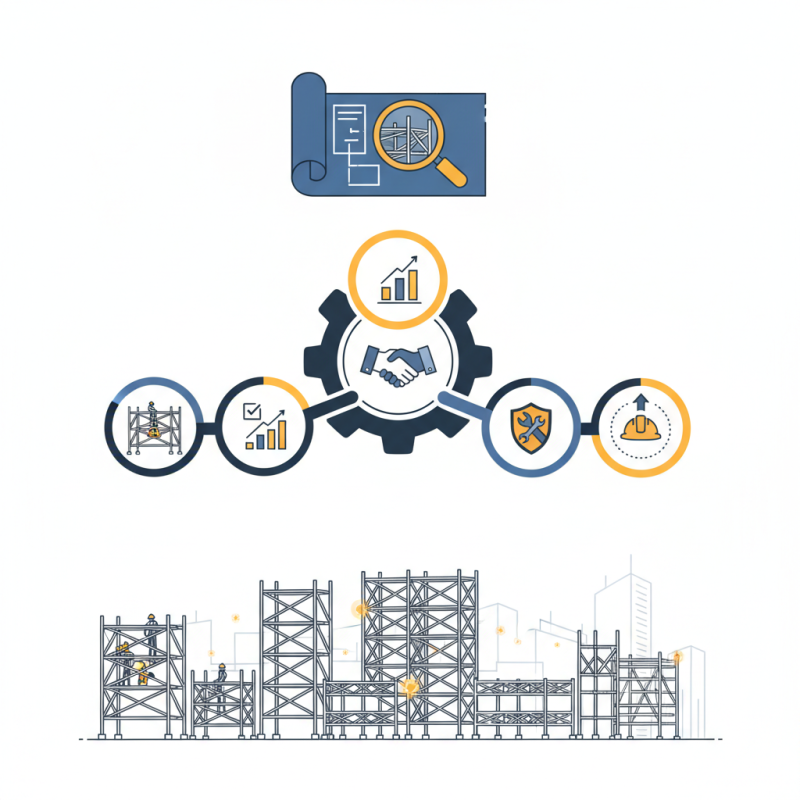
Understanding Steel Scaffolding: Key Features and Benefits
Steel scaffolding plays a crucial role in construction. Its strength and durability are unmatched. According to industry reports, the global scaffolding market is expected to reach $8 billion by 2026. This growth highlights the rising demand for robust scaffolding solutions.
Steel scaffolding offers key features that enhance job safety and efficiency. It withstands heavy loads and is resistant to environmental factors. A major advantage is its reusability. This not only reduces costs but also minimizes waste. Many construction companies report a 30% decrease in project timelines when using steel scaffolding systems. However, improper installation still occurs, leading to potential hazards.
One concern is corrosion. While steel is strong, it can rust without proper maintenance. Regular inspections become essential to ensure safety. Additionally, workers need adequate training on installation and use. These factors highlight the need for a careful approach to using steel scaffolding. Awareness of these issues is vital for safe and effective construction practices.
Types of Steel Scaffolding: Frame, Modular, and System Scaffolds
When considering steel scaffolding options, understanding the types available is crucial. Three main forms are frame, modular, and system scaffolds. Frame scaffolding is popular due to its straightforward design. Workers can set it up quickly. This type is often used for smaller projects. However, it may lack the adaptability needed for more complex jobs.
Modular scaffolding offers versatility. It consists of various components that can be assembled in multiple configurations. According to the Occupational Safety and Health Administration (OSHA) reports, modular scaffolding reduces installation errors. Safety improves as workers can customize the setup based on project requirements. Still, challenges remain in ensuring all pieces fit together correctly. Misalignment during assembly can lead to safety risks.
System scaffolds represent a more advanced option. They are engineered for specific tasks, offering increased stability and safety. Industry data shows that system scaffolds can withstand heavier loads than traditional types. However, higher costs and the need for specialized training can deter some users. Ensuring the team understands the system’s intricacies is vital but often overlooked in practice.
2026 Best Steel Scaffolding for Sale Options Explained
| Type of Scaffold | Material | Load Capacity (lbs) | Height (ft) | Price Range ($) |
| Frame Scaffolding | Steel | 2,000 | 10 | 200 - 400 |
| Modular Scaffolding | Steel | 3,000 | 12 | 300 - 600 |
| System Scaffolding | Steel | 4,000 | 15 | 500 - 800 |
Factors to Consider When Choosing Steel Scaffolding for Sale
When selecting steel scaffolding, several key factors deserve close attention. Safety is paramount. Research shows accidents in construction often stem from inadequate scaffolding. A significant 60% of these incidents involve scaffolding failure. Therefore, confirming scaffolding adheres to safety standards is crucial.
Load capacity is another vital consideration. Steel scaffolding can typically support heavier loads than other materials. However, each project dictates specific requirements. Understanding these needs ensures that the chosen scaffolding can manage the intended weight effectively. It’s a common oversight to underestimate load requirements, which can lead to serious complications.
Additionally, the ease of assembly and disassembly affects overall project efficiency. Users often report that complex scaffolding systems slow down their workflow. The efficiency of installation significantly influences construction timelines. Frustratingly, many overlook these factors, resulting in lost time and increased costs. Making informed choices in these areas can lead to more successful and safer construction projects.
Top Brands of Steel Scaffolding: Market Leaders and Their Offerings
When considering steel scaffolding, several market leaders stand out. These brands offer a range of products designed for durability and safety. You can find various types of scaffolding, from modular systems to rolling towers. Each type serves different construction needs. Some brands provide lightweight options, while others focus on robust designs.
It's essential to evaluate your project requirements before making a choice. Think about the height and weight capacity you'll need. Also, consider the materials used. Some scaffolding systems might rust quicker than others. Make sure to check customer reviews. They can reveal crucial details about real-world performance.
Tip: Always prioritize safety standards. Inspect scaffold components regularly. Worn parts can create hazards. A simple visual check can save lives. Selecting the right brand is vital. Some brands may boast great strength, yet could be cumbersome. Choose wisely, and consider both ease of use and load capacity.
Cost Analysis of Steel Scaffolding: Budgeting for Your Project Needs
When planning a construction project, budgeting for steel scaffolding is essential. It's easy to underestimate costs. Steel may seem durable and solid, but the price can add up quickly. Consider factors like height requirements and duration of use. These details will impact the total expense significantly.
Tips: Always get multiple quotes. Don't rush into decisions. Prices vary greatly among suppliers. Assess the scope of your project. A short-term job might not require heavy-duty scaffolding. Evaluate your site conditions. Weather and ground stability can affect scaffolding needs.
Watch for hidden costs like delivery fees and assembly charges. These extras can sneak up on your budget. Sometimes, quality comes at a higher price. Cheaper options may lead to safety concerns or maintenance issues over time. Choose wisely; short-term savings could result in long-term headaches.
