China Best Solenoid Valve in Irrigation System Guide?
In modern agriculture, effective irrigation is crucial for crop success. One key component in optimizing this system is the Solenoid Valve In Irrigation Systems. These devices empower precise water control, minimizing waste and enhancing efficiency. Choosing the right solenoid valve can make a significant difference in operational performance.
However, many users overlook important aspects when selecting solenoid valves. Factors like pressure ratings, durability, and responsiveness play vital roles. A poorly chosen valve may lead to leaks or inefficient water flow, causing potential crop stress.
Farmers should also consider the specific application of their irrigation system. Different plants require varied watering needs. A one-size-fits-all approach can be detrimental. Investing time to understand the best solenoid valve in irrigation systems can yield long-term benefits. The right choice can transform irrigation from a mere necessity into a powerful tool for maximizing yield and sustainability.
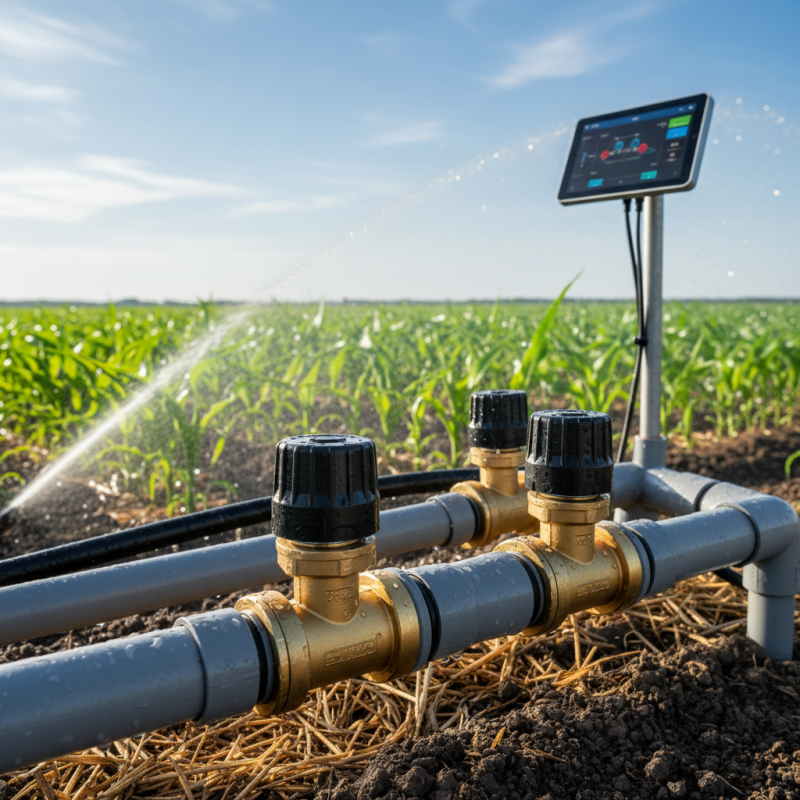
China’s Leading Solenoid Valve Brands for Irrigation Systems
When it comes to irrigation systems, solenoid valves play a crucial role. They control the flow of water efficiently, ensuring that crops receive the right amount of moisture. There are numerous manufacturers in China producing these essential components. Many are focused on quality and innovation. Some may struggle with maintaining consistency.
Selecting a reliable solenoid valve can be challenging. Some brands offer great features but may lack durability. Understanding the specific needs of your irrigation system is vital. Not all solenoid valves are created equal. Some may not withstand harsh weather conditions. It's essential to evaluate the performance based on real user experiences.
Investing in a well-made solenoid valve can save resources in the long run. However, even the best options may have limitations. Continuous monitoring and maintenance are necessary. This ensures optimal performance and longevity. Users must be prepared for potential troubleshooting. The right choice can make a significant difference in managing irrigation efficiently.
Key Features to Look for in Solenoid Valves for Irrigation
When choosing solenoid valves for irrigation systems, several key features deserve attention. Efficiency plays a crucial role—solenoid valves should have low power consumption. Reports suggest that efficient valves can save up to 30% more energy compared to standard models. This efficiency not only reduces electricity costs but also lessens the overall environmental impact.
Another vital feature is durability. A resilient solenoid valve can withstand harsh conditions. Statistics indicate that valves made from high-quality materials last 20% longer than those using cheaper alternatives. Fluctuating weather conditions or exposure to chemicals may accelerate wear and tear. Choosing a valve with a robust design can therefore minimize maintenance needs and unexpected replacements.
In terms of functionality, look for valves with adjustable flow rates. This flexibility allows for precise control over water usage. A study found that systems using adjustable solenoid valves can optimize their water usage by 15% more than fixed models. Many users overlook this, leading to over-irrigation and wastage. Balancing all these aspects can be challenging, yet necessary for a successful irrigation system.
How to Choose the Right Solenoid Valve for Your Irrigation Needs
Choosing the right solenoid valve for irrigation is crucial. The valve affects efficiency and water usage. According to industry reports, improper valve selection can waste up to 30% of water resources. A good valve should match system pressure and flow rates. This includes assessing specifications carefully. Ignoring these factors can lead to system failures or underperformance.
Consider the type of crops being irrigated. Different plants have unique water needs. For instance, some require frequent watering while others need less. Selecting a valve that aligns with these requirements is vital. Also, think about the environmental conditions. Harsh weather can affect valve durability and performance.
Performance testing can reveal important insights. Regularly assessing your system can highlight potential improvements. Monitoring helps prevent leaks or malfunctions. It's essential to maintain and occasionally replace components. This ensures consistent operation and maximizes your irrigation system's efficiency. Make informed decisions for better results.
Installation Tips for Solenoid Valves in Irrigation Systems
Installing solenoid valves in irrigation systems can be a straightforward process, but it requires attention to detail. Start by choosing the right location for the valve. It should be easily accessible for maintenance and preferably located in a sheltered area. Positioning is key. If exposed to harsh weather, the valve may need additional protection. Be sure to check the direction of water flow as you install the valve to avoid malfunctions.
Connecting the solenoid valve to water lines can be tricky. Use appropriate fittings to ensure a tight seal, preventing leaks. Regular leaks can lead to costly water bills. Solenoid valves often come with specific installation instructions, but sometimes these can be vague. If things don’t fit perfectly, don't hesitate to adjust components or search for compatible parts. These tweaks can significantly enhance your irrigation system’s efficiency.
After installation, test the system thoroughly. Manually turn on the valve and observe its function. Is the water flow consistent? Are there any strange noises? Not all installations go smoothly on the first try. Misalignments and leaks are common. Keep an eye on the valve over the next few weeks. Sometimes, adjustments might be necessary for optimal performance. Your diligence will pay off in a healthier irrigation system.
Maintenance and Troubleshooting of Solenoid Valves in Irrigation
Maintaining solenoid valves in an irrigation system is crucial for efficiency. Regular inspection helps detect issues before they escalate. Look for leaks or unusual noises. These signs often indicate wear or blockage. Cleaning the filters and valves regularly can prevent common problems.
Troubleshooting starts with understanding the valve's function. If the valve fails to open or close, check the power supply. Ensure the wiring is intact. Sometimes, moisture can cause a short circuit. If problems persist, test the solenoid coil with a multimeter. It should show a specific resistance value.
Don't overlook the importance of regular maintenance. It can save time and money in the long run. Neglecting these tasks might lead to unexpected breakdowns. Document any issues you encounter to simplify future repairs. Consider keeping a log of maintenance activities too. This can help you identify patterns and address recurring issues.
Solenoid Valve Performance in Irrigation Systems
