China Best Rail Maintenance Tools for Global Buyers?
The demand for high-quality Rail Maintenance Tools has surged in recent years. As global rail networks expand, the need for reliable maintenance solutions becomes crucial. John Smith, a leading expert in rail engineering, emphasized, "Proper tools ensure safety and efficiency on the tracks."
China stands at the forefront of producing innovative rail maintenance tools. Their advanced manufacturing techniques and focus on quality set them apart. Many global buyers are turning to Chinese suppliers for these essential tools. The expertise in design and reliability is notable. However, the variety of options can be overwhelming.
Navigating this market requires careful consideration. Potential buyers should analyze specifications and technology used in these tools. It’s vital to assess the reputation of manufacturers. The right choices can lead to significant improvements in rail operations. Collaboration with trusted experts can provide valuable insights.
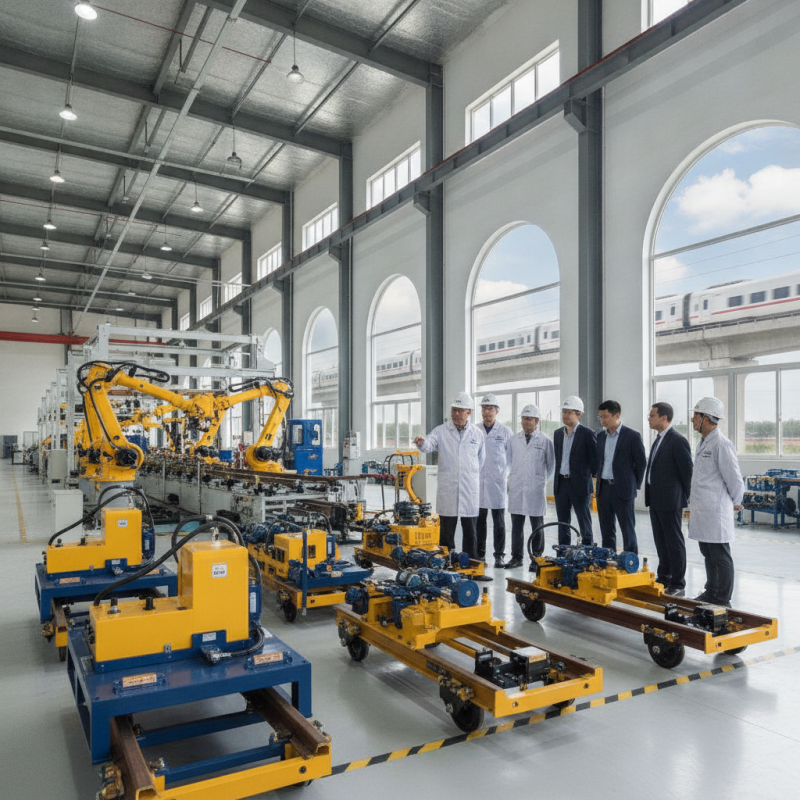
China's Rail Maintenance Tools: Market Overview and Global Demand Trends
China has emerged as a significant player in the rail maintenance tools market. This development is driven by the growing global demand for efficient rail systems. Countries around the world are investing in railway infrastructure. Quality maintenance tools are essential for ensuring safety and longevity. Chinese manufacturers are responding to this need with innovative solutions and competitive pricing.
The market shows a clear trend toward advanced technologies. Rail maintenance tools are now incorporating automation and smart features. Global buyers are seeking equipment that enhances efficiency and reduces downtime. This trend indicates an increased focus on sustainability too. However, challenges remain. Some buyers question the quality and reliability of products. Establishing trust is crucial for long-term partnerships.
Additionally, insights from industry experts suggest the importance of local regulations. Understanding these regulations can affect market entry. Buyers should be aware of the varying standards across regions. This knowledge will guide them in making informed purchasing decisions. Collaborations with local experts can improve compliance and performance. The landscape of rail maintenance tools is complex yet full of opportunities.
China Best Rail Maintenance Tools for Global Buyers
| Tool Type | Market Demand (Units) | Growth Rate (%) | Key Features | Expected Export Value (USD) |
| Rail Track Inspection Tools | 50,000 | 8% | High precision, Mobile usage | $5,000,000 |
| Track Maintenance Machines | 30,000 | 10% | Automated Functions, Durable | $15,000,000 |
| Railway Alignment Tools | 20,000 | 5% | Lightweight, Easy to use | $2,000,000 |
| Railway Welding Tools | 15,000 | 12% | High efficiency, Portable | $8,000,000 |
| Ballast Cleaning Equipment | 10,000 | 6% | Eco-friendly, Versatile | $3,000,000 |
Key Features of China's Leading Rail Maintenance Tools and Equipment
China's rail maintenance tools are becoming increasingly popular among global buyers. These tools are known for their advanced technology and durability. Key features include precision engineering and ease of use. A report from the International Railway Journal noted that the global rail maintenance market is projected to reach $50 billion by 2025. This highlights the significant demand for reliable maintenance equipment.
One critical aspect of China's rail maintenance tools is their adaptability to various environments. Equipment can perform under extreme weather conditions. This versatility is essential as rail networks expand in diverse climates. However, buyers should consider local regulations and standards when selecting tools. Not all equipment may be suitable for every region.
Tips: Assess the durability of the tools before purchasing. Look for user-friendly designs that simplify operations. Proper training on equipment can minimize errors during maintenance. Regularly consult industry reports to stay updated on the latest tools and trends.
Comparative Analysis: China's Tools vs. Global Standards in Rail Maintenance
Rail maintenance is crucial for the safety and efficiency of transportation systems. Chinese rail maintenance tools have gained attention for their innovative designs and cost-effectiveness. Yet, how do they measure up against global standards? According to a recent industry report, around 60% of rail maintenance equipment worldwide has moved toward automated solutions. In contrast, many Chinese tools still rely on manual processes, reflecting both a need for improvement and a potential opportunity for advancement.
Data from the International Union of Railways shows that technology adoption in rail maintenance has significantly improved safety records. However, China faces challenges in harmonizing its technology with international best practices. Quality control remains a vital concern. Some Chinese tools do not yet meet stringent global safety standards, indicating a gap that requires urgent attention.
While many Chinese manufacturers are investing in R&D, the integration of smart technology is still lagging. Experts suggest that with a more robust approach to automation, China could accelerate its alignment with global norms. The continuous evolution of rail maintenance tools will ultimately depend on balancing traditional reliability with innovative solutions. As the industry progresses, the opportunity for Chinese tools to compete globally remains promising but will require concerted efforts for refinement and standardization.
Regulatory Standards Affecting Rail Maintenance Tools in China and Abroad
When considering rail maintenance tools, regulatory standards play a crucial role. China has its specific regulations, influenced by international norms. These standards often dictate the quality and safety of rail tools. Adhering to these regulations ensures that tools meet performance benchmarks for reliability and safety.
Many global buyers look for tools that comply with both local and international regulations. This dual approach can enhance marketability. For instance, tools designed for compliance in Europe may also be suitable for markets in Asia. Understanding these regulations helps buyers make informed decisions.
**Tip:** Research the specific regulations in your target market. Compliance can save you time and money.
Moreover, it is essential for buyers to focus on innovation in tool design. Modern tools integrate technology for better performance. However, not all tools in the market are up to standard. Some may lack the necessary certifications. This gap can lead to safety issues during rail maintenance.
**Tip:** Always check for certifications before purchasing. Reliable information is key to ensuring tool effectiveness.
Reflecting on the need for regulatory compliance can lead to better practices. Engaging with industry experts and attending workshops can be beneficial. Continuous learning helps in grasping evolving standards in rail maintenance tools.
China Best Rail Maintenance Tools for Global Buyers
This chart illustrates the effectiveness of various types of rail maintenance tools based on regulatory standards in different markets. The data represents a survey conducted among global buyers regarding their perception of the quality and reliability of rail maintenance tools sourced from China compared to those from other regions.
Future Trends: Innovations in Rail Maintenance Technologies from China
The rail maintenance industry in China is experiencing rapid innovations, driven by technology advancements. According to a recent report, the global rail maintenance market is expected to reach $90 billion by 2025. China plays a crucial role in this growth, showcasing cutting-edge tools designed to enhance efficiency.
One of the standout innovations includes automated track inspection tools. These devices use AI and high-definition cameras to detect wear and tear. A study indicated that these technologies can reduce maintenance costs by up to 30%. Additionally, predictive maintenance software is gaining traction. This software analyzes real-time data to forecast potential issues, ensuring timely repairs.
Tip: Consider investing in training for your maintenance teams on new technologies. Inadequate knowledge can undermine the benefits these innovations offer.
Despite these advancements, challenges remain. Many rail operators still rely on outdated manuals and traditional processes. A significant portion of the industry underutilizes the latest technology. This gap can hinder operational efficiency and safety standards. Businesses must address these shortcomings to fully embrace the benefits of modern rail maintenance tools.
Tip: Regularly assess your maintenance practices. Sometimes, a small adjustment can lead to significant improvements in performance.
