10 Best Freeze Dried Fruits for Healthy Snacking?
In recent years, Freeze Dried Fruits have gained immense popularity as a healthy snacking option. According to a report by Market Research Future, the freeze dried fruits market is projected to reach USD 2.5 billion by 2025. This growth is fueled by an increasing demand for natural and convenient alternatives to traditional snacks. As health consciousness rises, consumers seek nutritious options that fit their busy lifestyles.
Dr. Emily Johnson, a renowned food scientist, states, "Freeze dried fruits preserve nutrients well and offer a delicious way to snack healthily." These fruits maintain their flavor and nutritional value, making them ideal for anyone looking to incorporate more fruits into their diet. However, it's vital to consider that not all freeze dried fruits are created equal. Some products may contain added sugars or preservatives, diluting their health benefits.
The world of freeze dried fruits is fascinating yet complex. Some brands excel in maintaining quality, while others fall short. Consumers must evaluate their choices carefully. By understanding the options available, snackers can make informed decisions that contribute to a healthier lifestyle.
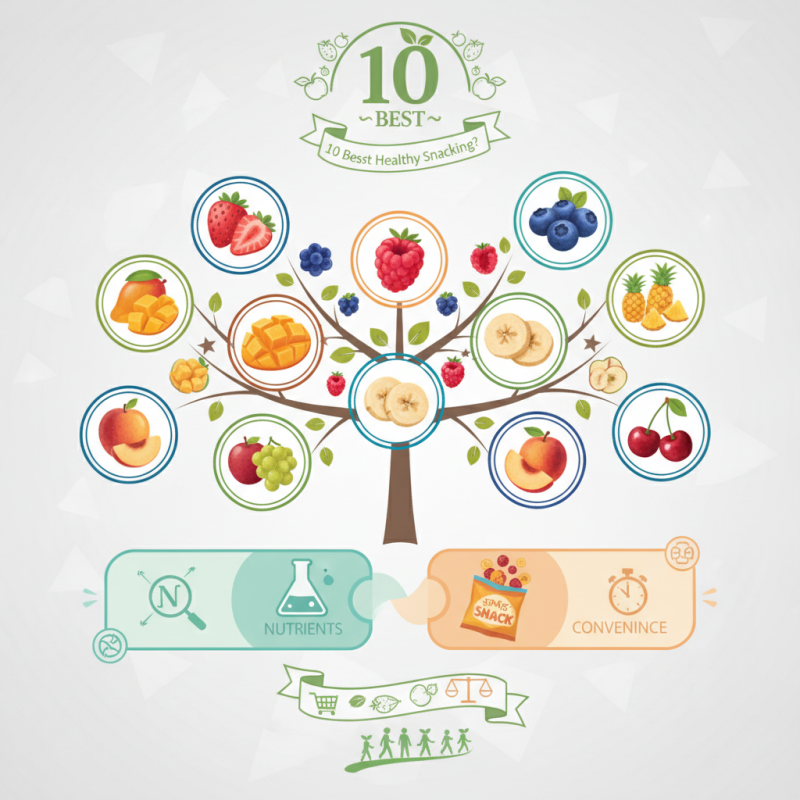
The Nutritional Benefits of Freeze-Dried Fruits for Healthier Snacking
Freeze-dried fruits are becoming popular for healthy snacking, thanks to their impressive nutritional profile. Unlike regular dried fruits, freeze-dried options maintain their vitamins and minerals better. A report from the USDA shows that freeze-drying retains about 97% of the original nutrients. This is an attractive feature for health-conscious individuals.
Additionally, freeze-dried fruits are lightweight and portable. They’re great for on-the-go snacking or adding to meals. The convenience is noteworthy. They can easily be tossed into smoothies or enjoyed as a topping on yogurt. Not all freeze-dried fruits are created equal, however. Some may lack essential fiber when compared to their fresh counterparts. It’s worth considering this for those looking for digestive health.
Moreover, while freeze-dried fruits can be less calorically dense than their fresh forms, they can also be high in sugar. Thus, it's crucial to read labels carefully. A study from Food Chemistry noted the concentration of natural sugars can alter during processing. Balance is key in reaping the benefits while avoiding excessive sugar intake.
Top 10 Freeze-Dried Fruits with High Antioxidant Content
Freeze-dried fruits make a fantastic snack. They retain most of their nutrients, especially antioxidants. Antioxidants are crucial for fighting free radicals, which can damage cells. Many studies confirm that fruits like blueberries and strawberries are rich in these beneficial compounds. For instance, blueberries contain powerful antioxidants called flavonoids. These can help improve heart health.
Did you know that freeze-drying preserves up to 90% of vitamins? This is significant compared to other preservation methods. A report by the U.S. Department of Agriculture highlights that freeze-dried fruits maintain higher levels of vitamins C and A. This makes them a great option for boosting your immune system.
Tips for snacking: Keep a stash of freeze-dried fruits accessible. They’re lightweight and perfect for travel. Pair them with yogurt for added protein. Just remember, moderation is key. Too many can lead to excess sugar intake. Eating a variety of fruits can also provide a range of nutrients. Reflect on your habits. Are you consuming enough antioxidants daily?
10 Best Freeze Dried Fruits for Healthy Snacking
Comparative Analysis: Fresh vs. Freeze-Dried Fruits
When comparing fresh and freeze-dried fruits, the texture and taste come into play. Fresh fruits are juicy and vibrant. They offer a satisfying crunch when you bite into them. However, they can spoil quickly and require refrigeration. This makes them less convenient for on-the-go snacking. You might end up throwing away uneaten portions.
On the other hand, freeze-dried fruits retain most of their nutrients. The dehydration process removes moisture but keeps vitamins intact. They are lightweight and portable, great for hiking or traveling. However, the texture can be airy and sometimes unappealing. While the flavor is concentrated, it lacks the freshness of their counterparts.
Choosing between fresh and freeze-dried fruits often depends on your lifestyle. If you have access to fresh produce daily, that might be your go-to. But if you're seeking shelf-stable options, freeze-dried fruits hold value. Remember, the suitability varies based on personal preferences and daily routines.
10 Best Freeze Dried Fruits for Healthy Snacking
| Fruit | Nutritional Value (per 100g) | Fresh Weight Equivalent (g) | Shelf Life (Years) | Taste Profile |
| Strawberries | 50 calories, 2g protein, 12g carbs | 370g | 2-3 years | Sweet and tangy |
| Bananas | 357 calories, 4g protein, 89g carbs | 500g | 2-3 years | Sweet and creamy |
| Apples | 52 calories, 0.3g protein, 14g carbs | 500g | 2-5 years | Crisp and sweet |
| Mangoes | 60 calories, 0.8g protein, 15g carbs | 400g | 2-3 years | Sweet and tropical |
| Blueberries | 57 calories, 0.7g protein, 14g carbs | 400g | 2-3 years | Sweet and tart |
| Peaches | 39 calories, 1g protein, 10g carbs | 450g | 2-3 years | Sweet and juicy |
| Raspberries | 52 calories, 1g protein, 12g carbs | 400g | 2-3 years | Sweet and tart |
| Cherries | 50 calories, 1g protein, 12g carbs | 450g | 2-3 years | Sweet and juicy |
| Pineapple | 50 calories, 0.5g protein, 13g carbs | 500g | 2-3 years | Sweet and tangy |
How Freeze-Drying Preserves Vitamins and Minerals Efficiently
Freeze-drying is a fascinating process. It involves removing moisture from fresh fruits while preserving their nutrients. Studies show that this method retains over 90% of the vitamins, unlike traditional dehydration methods. In fact, freeze-dried fruits can contain up to 50% more vitamin C compared to their dried counterparts.
The freeze-drying process involves three main stages: freezing, vacuuming, and sublimation. During freezing, fruits are turned into solid ice. Next, moisture is removed in a vacuum, leaving the cells intact. This helps maintain the natural color and flavor. Interestingly, this method also keeps minerals like potassium and magnesium intact, essential for muscle function and overall health.
Despite its benefits, some may find freeze-dried fruits lacking in texture. They can be crunchy or powdery, which may not appeal to everyone. Many may prefer the chewiness of fresh fruit. However, freeze-dried options are still nutrient-rich snacks, perfect for on-the-go lifestyles. Balancing convenience and health can be challenging, but freeze-dried fruits offer a practical solution.
Market Trends and Consumer Preferences in Freeze-Dried Snacks
The trend for freeze-dried snacks is booming. The market for these products is projected to reach $1.2 billion by 2027, growing at a compound annual growth rate of 8.3%. This growth indicates a rising consumer preference for healthy snacking options. Many people seek convenient yet nutritious meals. Freeze-dried fruits fit this niche perfectly. They retain most of their nutrients while being lightweight and easy to store.
More consumers are focusing on clean labels. They want snacks with no preservatives or artificial ingredients. According to recent surveys, 67% of snack buyers prioritize natural ingredients. This trend highlights a shift in consumer behavior toward health-conscious choices. However, some freeze-dried products can be high in sugar. It's essential for consumers to carefully check nutrition labels.
Tip: Always choose freeze-dried fruits that are labeled "100% fruit" to avoid added sugars. Additionally, experimenting with different flavors can keep snacking exciting. Consider mixing freeze-dried fruits into yogurt or oatmeal. It's an easy way to enhance the flavor and nutritional value of meals. Remember, not every freeze-dried snack will meet your health goals; learning to read labels is crucial.
