2026 Best Dna Extraction Methods for Global Buyers?
The extraction of DNA is crucial in various fields, including medicine and forensics. In 2022, the global Dna Extraction market was valued at over $1.5 billion, showing significant growth potential. As technologies advance, global buyers seek the best DNA extraction methods to ensure efficient and reliable results.
Different extraction techniques cater to specific needs, yet no single method is perfect. For instance, while silica-based extraction is popular, it can be time-consuming and may lead to the loss of sample integrity. On the other hand, magnetic bead-based methods provide speed and efficiency but can be costly.
Understanding these nuances is vital for professionals in the field. A thorough comparison of methods is necessary. The right choice often depends on the application, whether it's clinical diagnostics, agricultural studies, or genetic research. Buyers must weigh the pros and cons of each method. Decisions should be made based on both empirical data and specific project requirements.
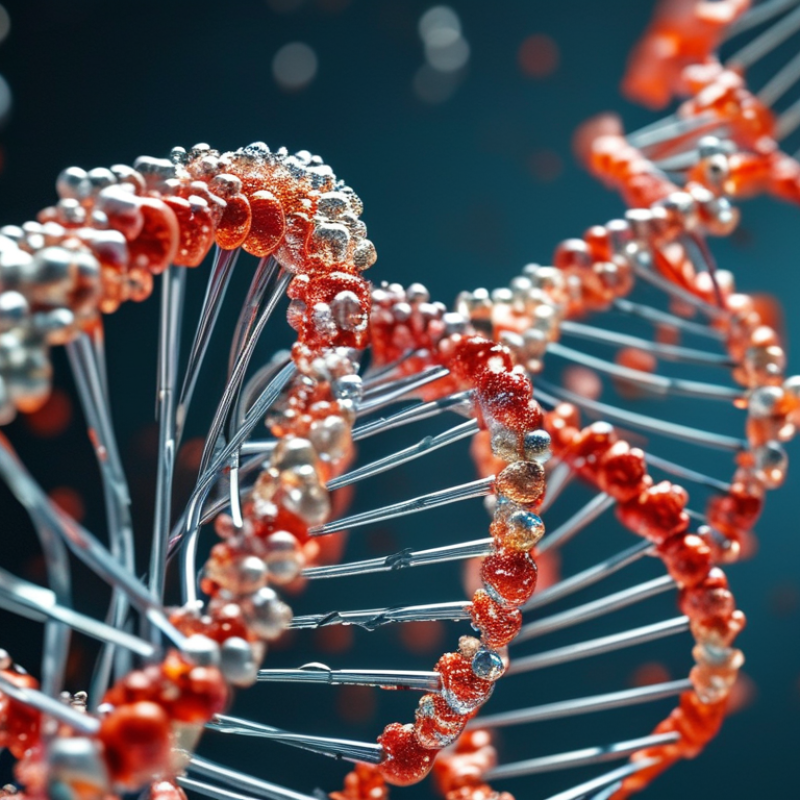
Overview of DNA Extraction Methods for Buyers
When selecting DNA extraction methods, buyers must consider various techniques that suit their specific needs. Common methods include silica-based extraction, phenol-chloroform extraction, and magnetic bead extraction. Each method has distinct qualities, making them suitable for different applications. Silica-based methods are popular for their efficiency and yield. However, they may require precise handling skills.
Magnetic bead extraction offers convenience and speed. This method is favored for its automation potential. Yet, it may not work well with certain sample types, leading to variability in results. Buyers should weigh the pros and cons of each method according to the samples they plan to process.
Tips: Before making a decision, consider your laboratory's capabilities. Training your staff on the selected method can drastically improve results. Always account for the specific characteristics of the samples you're working with. Different samples may yield different amounts of DNA, affecting your overall outcomes.
Key Considerations When Choosing DNA Extraction Techniques
When selecting DNA extraction methods, several key considerations come into play. The choice of technique can impact the quality and yield of extracted DNA. Different materials and sample types require tailored approaches. Understanding the source of your samples is crucial for success. For instance, plant tissues may need a different method than animal tissues.
Tips for effective DNA extraction include assessing your sample's condition. Fresh samples often yield better results than degraded ones. It's helpful to conduct preliminary testing to identify the best method for your specific needs. Moreover, consider the complexity of your samples. More complex samples may require optimized protocols to achieve satisfactory DNA quality.
Another important aspect is the scalability of the method. Techniques must be adaptable for varying sample sizes. It's wise to choose methods that allow for both small-scale and large-scale extractions. Flexibility in process design can enhance the efficiency of your workflow. Experimentation may be necessary to refine procedures over time. This process requires patience, yet it is often rewarding when enhanced results are obtained.
Comparative Analysis of Popular DNA Extraction Methods
DNA extraction is a critical step in molecular biology. Different methods yield varying results based on the type of samples and the desired quality of DNA. Popular methods like phenol-chloroform extraction and silica column methods stand out in many laboratories. Each has its pros and cons, which users must consider carefully.
Phenol-chloroform extraction is known for its purity and efficiency. It effectively removes proteins and other contaminants. However, it involves hazardous chemicals, posing safety risks. Silica column methods are more user-friendly, providing rapid and straightforward extraction. Yet, they may not always yield the highest quality DNA. Transitioning between methods often produces mixed results, leading researchers to question their reliability.
Emerging techniques, like magnetic bead-based extraction, offer innovative solutions. They simplify the process and minimize contamination. Still, they may have limitations, especially with certain types of samples. Users must evaluate these weaknesses before integrating new methods. Balancing efficiency and safety remains essential in DNA extraction practices. Continuous reflection on methods used enhances overall outcomes and scientific integrity.
Recommended Suppliers and Brands for DNA Extraction Kits
When selecting DNA extraction kits, buyers need to prioritize reliability and quality. It’s crucial to review supplier reputation and customer feedback. Well-regarded suppliers often provide detailed protocols and support services, which can enhance the extraction experience. Additionally, kits should be compatible with various sample types to accommodate diverse research needs.
Understanding the extraction technique is also key. Different methods can yield differing results based on the sample source and intended application. Some methods may be more suited for high-purity DNA, while others might focus on speed. This diversity can lead to challenges in choosing the right kit. Hence, taking the time to assess specific requirements is essential.
Tips: Always check if the supplier offers transparent information about their products. Evaluate their customer service response times. A robust support system could resolve potential issues swiftly. Remember, sometimes a less popular brand may outperform leading ones in specific applications. Experimenting with various kits can provide unexpected insights.
Future Trends in DNA Extraction Technology for Global Buyers
Emerging trends in DNA extraction technology are actively reshaping the global market. New methods prioritize speed, efficiency, and eco-friendliness. The industry is leaning toward automation, reducing manual handling. This shift ensures consistent quality and reduces contamination risks.
Tips: Consider the extraction method that fits the sample type. Some methods work better on certain materials. Matching the technique to your sample will yield better results.
Flexibility in extraction processes is crucial. Manufacturers are developing versatile kits suitable for various applications. These innovations allow laboratories to adapt to diverse research needs. Extraction times are getting shorter, enhancing workflow efficiency.
Keep an eye on protocol updates. New research often reveals improved practices. Regularly reviewing and updating techniques can lead to better outcomes. In a rapidly evolving field, staying informed is essential for success.
2026 Best DNA Extraction Methods for Global Buyers
