What are the Benefits of Using Sluice Valves in Industry?
Sluice Valves play a crucial role in various industrial applications. These valves are designed to control the flow of liquids and slurries effectively. Their robust construction makes them suitable for harsh environments. Industries like water treatment, mining, and manufacturing frequently rely on sluice valves.
The use of sluice valves offers multiple benefits. They enable precise flow regulation, reducing waste and improving efficiency. Additionally, these valves withstand high pressures and temperatures. Their design ensures minimal resistance to flow, preventing unnecessary energy loss. However, proper installation and maintenance are essential for optimal performance.
In some cases, users overlook the importance of regular checks. Neglecting maintenance can lead to leaks or malfunctions. It is crucial to invest in quality sluice valves and seek expert advice. This enhances reliability and ensures safe operations across industrial settings.
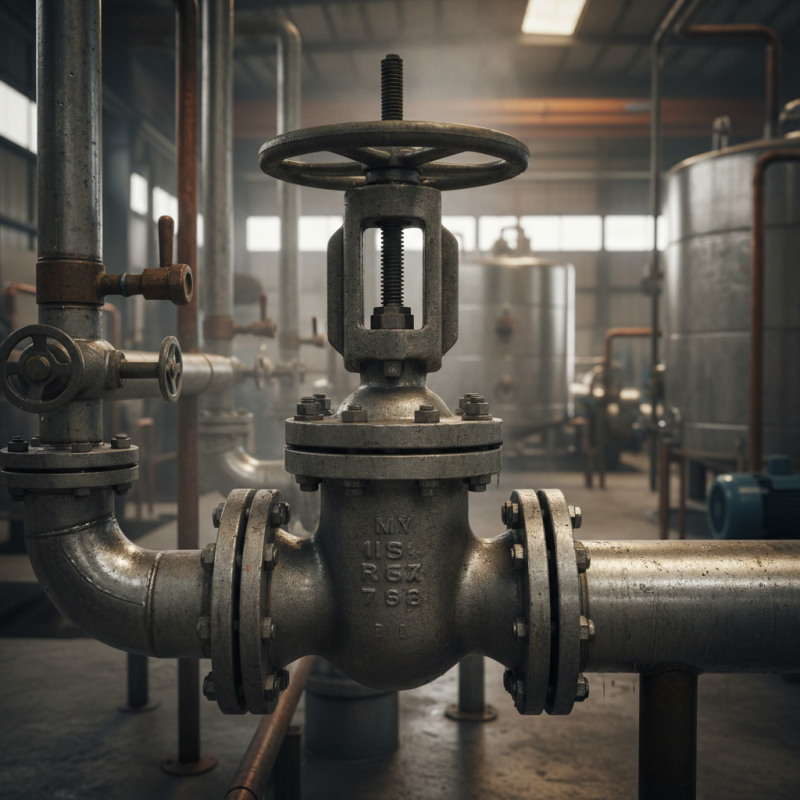
Definition and Functionality of Sluice Valves in Industrial Applications
Sluice valves play a critical role in various industrial operations. Their primary function is to control the flow of fluids. This makes them essential in water treatment, sewage systems, and irrigation. The design of sluice valves allows for a tight seal when closed, preventing any leakage. They are often used in large pipelines, where managing water flow is crucial.
The operation of a sluice valve is relatively straightforward. When the valve is opened, a wedge or gate moves into the flow path. This action either allows or restricts fluid movement. In industries where exact flow control is needed, these valves prove to be invaluable. A challenge in this application is their maintenance. Over time, debris can accumulate, creating difficulties in operation.
Another aspect to consider is the installation process. Proper alignment and support are necessary for effective performance. Misalignment can lead to operational failures. While sluice valves are robust, they must be regularly inspected. Although they are reliable, they are not infallible. Understanding these nuances helps industries use sluice valves more effectively.
Advantages of Sluice Valves for Fluid Control and Regulation
Sluice valves play a vital role in fluid control across various industrial applications. These valves are designed to manage and regulate the flow of liquids effectively. They excel in applications where a complete shutoff is necessary, particularly in water and wastewater management. Research indicates that around 30% of water treatment systems utilize sluice valves due to their high performance and reliability.
One of the key advantages of sluice valves is their ability to provide a tight seal when closed. This feature minimizes leakage, which can lead to significant operational costs. Industry reports show that reducing leakage by just 10% can result in savings of thousands in maintenance fees and energy costs. Furthermore, the simple yet robust design allows for easy maintenance, promoting longer lifespan and operational efficiency.
Tips: When selecting sluice valves, consider the material and size for specific applications. A mismatch can lead to performance issues. Additionally, regular inspection can prevent costly failures. Always ensure that your choice is appropriate for the fluid type and pressure levels in your system.
Durability and Maintenance Benefits of Sluice Valves in Industrial Settings
Sluice valves are essential in industrial applications. Their durability and maintenance benefits make them an important choice. These valves are built robustly to withstand high pressure and harsh conditions. They are made from various materials, allowing them to resist corrosion and erosion. This longevity means less frequent replacements, resulting in reduced downtime for industries.
Proper maintenance is crucial for optimizing the performance of sluice valves. Regular inspections can identify wear and tear before they become serious issues. Consider creating a maintenance schedule that includes routine checks and cleaning. Measure the valve's operational efficiency regularly. This can help in making timely decisions about repairs or replacements.
Tips: Always document maintenance activities. Keeping detailed logs can help track performance trends. When issues arise, don’t hesitate to consult with a valve expert. Sometimes an outside perspective can highlight problems that might be overlooked. Remember, neglecting maintenance can lead to bigger problems down the line. A proactive approach can save costs and time.
Cost-Effectiveness of Sluice Valves Compared to Other Valve Types
Sluice valves are gaining traction in various industries due to their cost-effectiveness. According to a recent report from the International Valve Association, sluice valves can save up to 30% in initial installation costs compared to other valve types. This price advantage is particularly significant for large-scale projects where budget constraints are paramount.
In operational settings, sluice valves are known for their durability. The same report highlights that these valves can last up to 25 years when maintained properly, often outpacing the lifespan of more expensive alternatives. However, they may require a significant amount of space and careful installation. Improper fitting can lead to inefficient operation and costly repairs. Regular maintenance checks can mitigate these risks, but not all facilities adhere to best practices.
Moreover, while the upfront costs are appealing, long-term expenses must be scrutinized. Sluice valves often incur costs related to their larger size and operational requirements. In some cases, industries experience higher energy consumption due to inefficient design which can negate initial savings. Exploring these factors carefully can lead to better decision-making in valve selection.
Applications of Sluice Valves in Various Industries and Sectors
Sluice valves play a crucial role across various industries. They are primarily used to regulate the flow of liquids and gases. In water treatment facilities, sluice valves help manage the flow of water through pipes. This regulation is vital for effective treatment processes and ensuring water quality.
In the agriculture sector, sluice valves control irrigation systems. They enable farmers to optimize water usage, which is essential in arid regions. With precise flow control, farmers can achieve better crop yields. However, improper installation can lead to inefficient water distribution.
In power plants, sluice valves manage cooling water flow. They are critical in maintaining equipment efficiency and minimizing thermal shock. Nevertheless, maintenance is often overlooked, leading to potential failures. Ensuring regular checks can prevent costly downtime. The versatility of sluice valves demonstrates their importance, but careful handling is necessary to maximize their benefits.
