How to Use an ATV Weed Sprayer for Efficient Lawn and Garden Care?
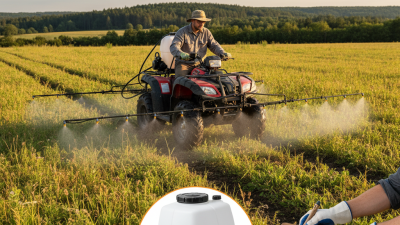
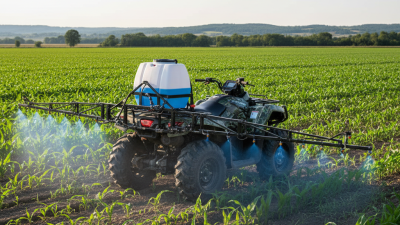
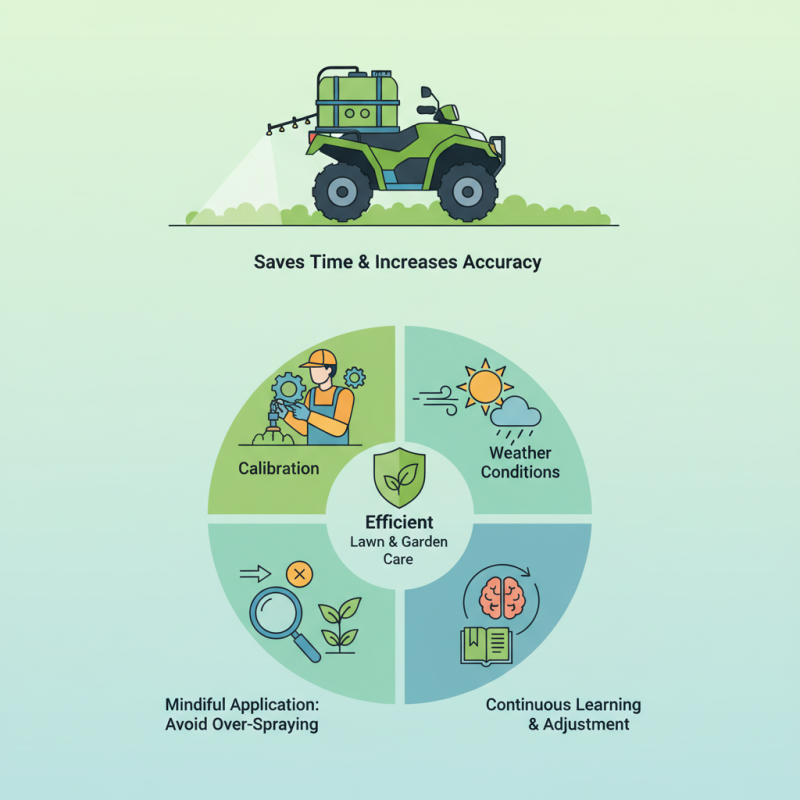
When it comes to effective lawn and garden care, an "atv weed sprayer" can be a game changer. Renowned expert Tom Hargrove, a professional landscaper with over 15 years of experience, notes, "An ATV weed sprayer saves time and increases accuracy when applying herbicides." This powerful tool allows homeowners and professionals alike to manage weeds efficiently without breaking a sweat.
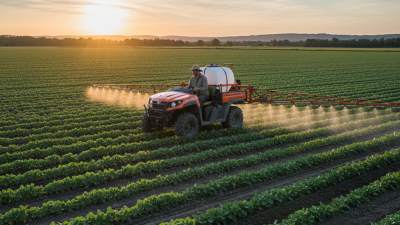
Using an ATV weed sprayer enhances the precision of your application. Its ability to cover large areas quickly ensures you won’t miss a spot. However, while it simplifies the task, it's essential to be mindful of your surroundings. Over-spraying or applying too much chemical can impact nearby plants and soil health.
Moreover, using an ATV weed sprayer requires some reflection on your techniques. Are you calibrating your sprayer properly? Have you considered weather conditions? These factors play a vital role in your project's success. Maximizing the effectiveness of your ATV weed sprayer means continuous learning and adjustment.
Understanding the Basics of ATV Weed Sprayers for Lawn Care
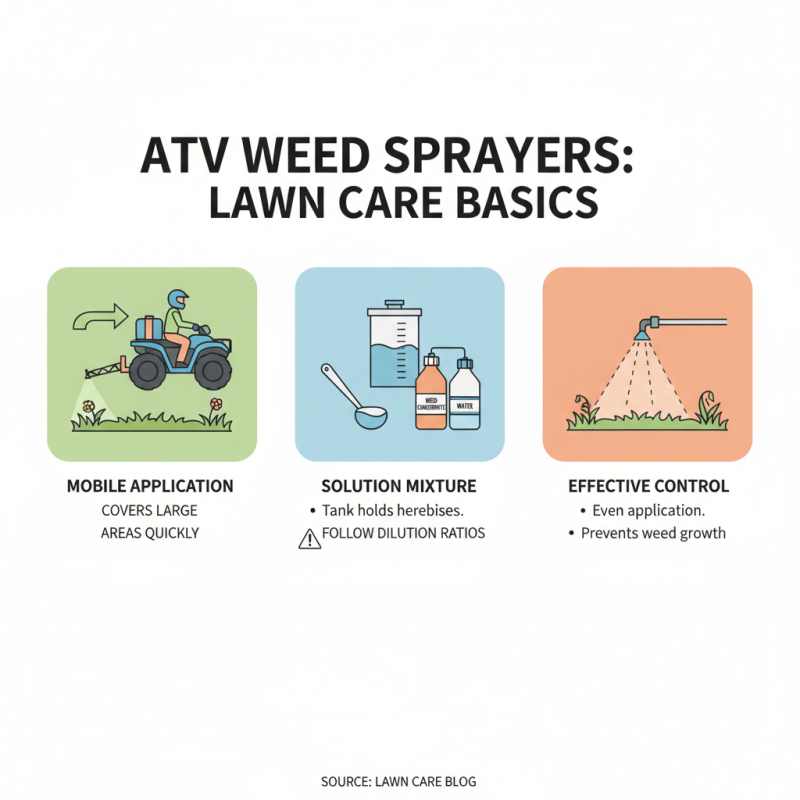
ATV weed sprayers are essential tools for efficient lawn care. Understanding how they work can greatly improve your gardening efforts. These sprayers are mounted on all-terrain vehicles, allowing quick access to large areas. They come with tanks that hold various types of weed control solutions. Knowing the right mixture is crucial. Over or under-diluting your solution may result in uneven application.
When using an ATV weed sprayer, control is key. Aim to maintain a consistent speed to ensure even distribution. Adjust the nozzle for different spray patterns, depending on your needs. It’s common to struggle with finding the right settings initially. Testing on a small area can help. Adjustments may be necessary based on the terrain and vegetation type.
Consider safety precautions, too. Wear protective gear to avoid exposure to chemicals. Familiarize yourself with the sprayer's components before use. Regular maintenance is important for reliability. Neglecting to clean the sprayer can lead to clogs or malfunction. Reflecting on these factors can significantly enhance your lawn care routine.
Essential Components and Features of ATV Weed Sprayers
When considering ATV weed sprayers, understanding their essential components is crucial. A reliable tank is fundamental. Most tanks can hold between 15 to 30 gallons. This capacity allows for extended spraying sessions without frequent refills. Additionally, a strong pump is necessary. High-pressure pumps can spray herbicides effectively at distances up to 30 feet. This range increases efficiency when covering larger areas.
Another key feature is the spray nozzle. Different nozzles offer various patterns and coverage widths. For instance, adjustable nozzles allow users to switch between fine mist and stream. This adaptability is essential for targeting specific weeds without harming other plants. A recent industry report highlighted that users with adjustable nozzles reported a 25% increase in weed control effectiveness.
It's also important to have a durable frame. A robust frame endures rugged terrain, preventing wear and tear. Consider adding a protective cover for the tank. This can reduce exposure to UV damage, extending the life of the sprayer.
Despite these features, some may overlook the need for regular maintenance. Neglecting this can lead to decreased performance. Proper cleaning and care should not be underestimated for optimal functionality.
Preparing Your ATV Weed Sprayer for Operation
Preparing your ATV weed sprayer for operation is crucial for effective lawn and garden care. Begin by ensuring that your equipment is clean and functional. A study from the Agricultural Sprayer Technology Institute found that regular maintenance can improve efficiency by up to 30%. Check for clogs or leaks in the hoses. Minor issues can lead to major setbacks during your spraying tasks.
Next, fill the tank with the appropriate herbicide mixture. Follow the manufacturer’s guidelines closely. Mixing errors can reduce the effectiveness of your spray and cause harm to plants. According to the Environmental Protection Agency, improper application can lead to up to 15% reduced crop yields. It’s vital to calibrate your sprayer to apply the right amount of solution. Take your time to test the spray pattern before you head out to the fields or gardens.
Lastly, consider safety precautions. Wear protective clothing and eyewear while loading and operating the sprayer. Even experienced users can overlook safety, which can lead to accidents. A report by the Safety in Agriculture Project indicates that improper handling of herbicides accounts for 25% of injuries in agricultural settings. Always have a plan in place in case of spills or accidents. Taking these steps ensures that you're prepared and can maximize the effectiveness of your ATV weed sprayer.
Step-by-Step Guide to Applying Herbicides and Fertilizers
Using an ATV weed sprayer can significantly improve your lawn and garden care. This handy tool allows you to apply herbicides and fertilizers efficiently. Before you start, inspect your sprayer for any leaks or clogs. Ensuring it is clean will give you a consistent flow.
Begin by preparing your herbicide or fertilizer mixture according to the instructions. This step is crucial; the wrong ratio can damage your plants. Fill the sprayer tank carefully to avoid spills, and make sure to wear protective gear. Once you're ready, select your target area. Aim to spray on a dry day to maximize absorption.
While spraying, maintain a steady pace. Overlapping your paths is important but avoid excessive coverage. Too much product can lead to run-off, which is not ideal. After applying, clean the sprayer thoroughly to prevent residue build-up. Take the time to reflect on your results. Adjust your techniques next time if needed. Learning from each experience enhances your garden care skills.
Safety Tips and Best Practices for Using an ATV Weed Sprayer
When using an ATV weed sprayer, safety should always come first. Start by wearing appropriate protective gear, including gloves and goggles. This prevents direct contact with chemicals. Ensure your sprayer is in good condition to avoid leaks. Regular maintenance can enhance safety and performance. Check hoses and connections for wear.
Avoid spraying on windy days. Wind can disperse chemicals off-target, leading to unwanted damage. Familiarize yourself with the terrain. Know where to drive and where to avoid sensitive plants. Choose your application time wisely; early morning or late afternoon is ideal for minimizing evaporation. Understanding the sprayer’s operation is crucial for effective use.
Always read the labels on any chemicals beforehand. They provide essential information about safe handling and environmental impact. Keep a clean-up kit handy to address spills promptly. Regularly reflect on your methods. Are you being efficient? Is there room for improvement? Make a habit of evaluating your practices. This reflection ensures you maintain high standards in lawn and garden care.