What is a 25 Gallon Sprayer and How Does It Work?
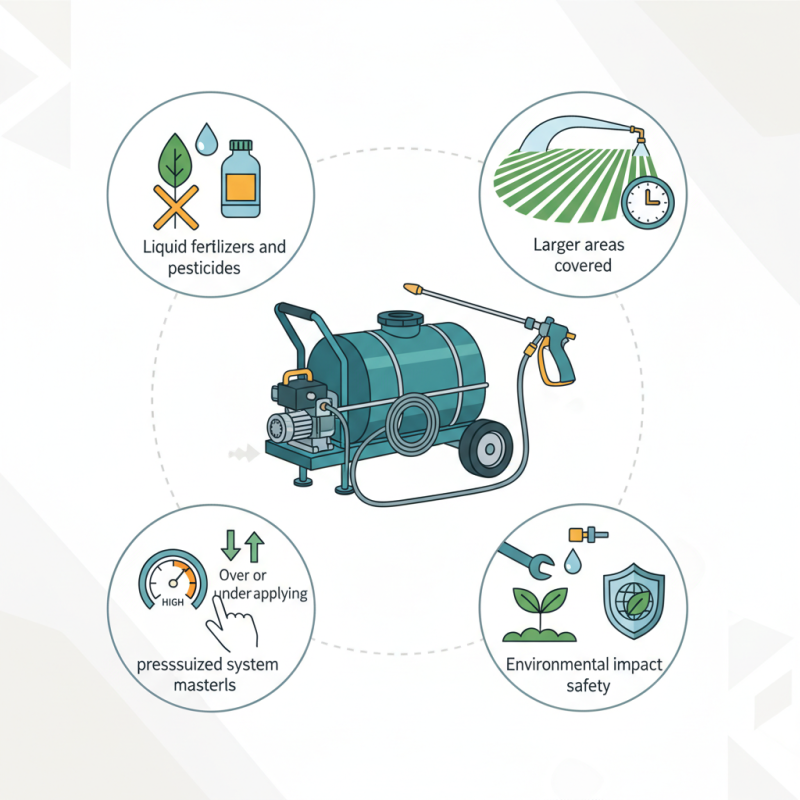
A 25 gallon sprayer is a versatile tool for gardeners and farmers alike. It is designed to efficiently apply liquid fertilizers, herbicides, and pesticides. Users appreciate its capacity, allowing for larger areas to be covered without frequent refilling. The 25 gallon sprayer typically features a pump, hose, and nozzle.
Using a 25 gallon sprayer can save time. With its pressurized system, it delivers a steady flow of liquid. However, mastering the controls may take practice. Some users report initial challenges with pressure settings. Moreover, over or under-applying chemicals can lead to poor results.
Despite its benefits, a 25 gallon sprayer requires proper maintenance. Regularly checking for leaks and cleaning the nozzle will ensure longevity. Users must also consider the environmental impact of their applications. A thoughtful approach is crucial to balance efficiency with safety.
What is a 25 Gallon Sprayer?
A 25-gallon sprayer is a practical tool for various tasks. It is commonly used in gardening, agriculture, and even for pest control. This sprayer can hold a substantial amount of liquid, making it ideal for larger areas. With its capacity, it reduces the need to refill constantly. Many people find it easy to manage, even though it can be heavy when full.
Using a 25-gallon sprayer involves basic components like a tank, pump, and nozzle. The tank stores the liquid, while the pump pressurizes it. This pressure allows the liquid to disperse through the nozzle. Understanding these parts helps ensure effective use. Adjusting the nozzle can control the spray pattern, offering flexibility for different applications.
Tips for using a 25-gallon sprayer: Always check for leaks before use. This can prevent wastage and ensure safety. Also, consider wearing protective gear. It may feel cumbersome, but it provides essential safety. Lastly, clean the sprayer after each use. Neglecting this step can lead to blockages and other issues. Remember, keeping it in good condition requires effort and attention.
25 Gallon Sprayer Usage Across Different Applications
Key Components of a 25 Gallon Sprayer
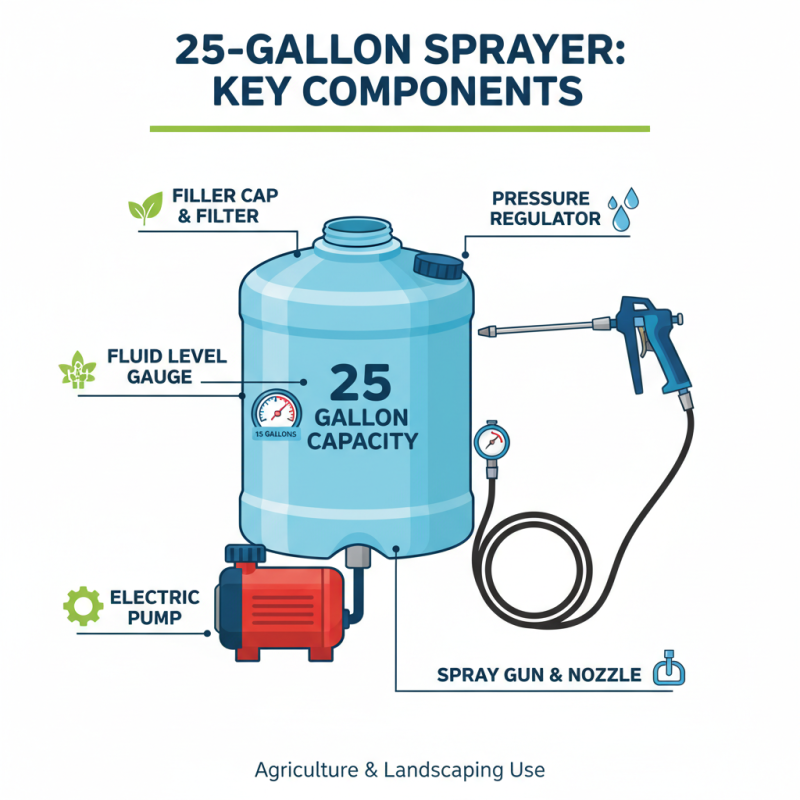
A 25-gallon sprayer is a versatile tool commonly used for various applications, such as agriculture and landscaping. Its key components play a vital role in its functionality. The tank is usually made of durable material. It holds the liquid you intend to spray, whether it’s fertilizer or herbicides. Most tanks have a gauge, helping users monitor the fluid level easily.
The sprayer’s pump is another essential part. It generates the pressure needed to push the liquid through the hoses and nozzles. Without a reliable pump, achieving even coverage is challenging. Nozzles come in different sizes and shapes, creating various spray patterns. This flexibility allows users to tailor their application for specific needs.
Hoses are crucial for connecting the tank to the nozzle. They must be durable to withstand chemicals. Many users overlook the importance of regular maintenance for these components. Clogs can happen, leading to uneven distribution. A sprayer is effective only when all parts function properly. Regular cleaning and inspections can prevent many common issues.
How Does a 25 Gallon Sprayer Work?
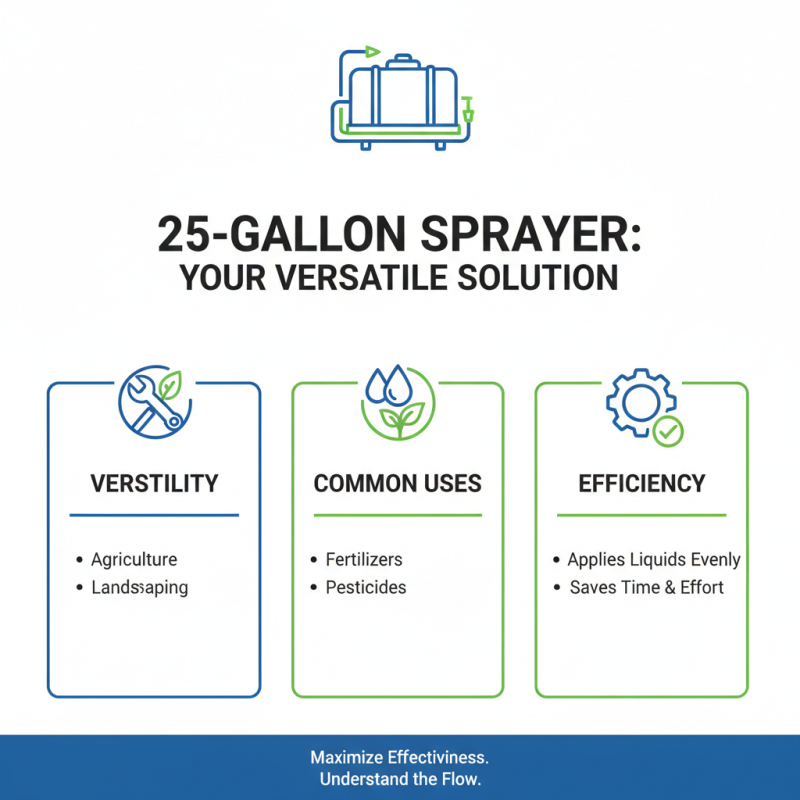
A 25-gallon sprayer is a versatile tool, commonly used in agriculture and landscaping. It is designed to apply liquid solutions like fertilizers and pesticides efficiently. Understanding how it works is key to maximizing its effectiveness.
A 25-gallon sprayer operates using a pump that pressurizes the liquid inside the tank. This pressure pushes the liquid through hoses and out of nozzles, distributing it evenly over a specific area. The pump's capacity can vary, but many sprayers can deliver between 2 and 10 gallons per minute, depending on the nozzle size and type. This allows for coverage of large areas quickly, saving both time and effort.
Tips: Always ensure that the tank is clean before filling it. Residue from previous applications can lead to contamination. Regular maintenance of the pump and nozzles is crucial. Clogged nozzles can reduce flow and accuracy.
When using a 25-gallon sprayer, consider the weather. Wind can affect the distribution pattern, leading to uneven application. For example, studies show that wind speeds over 10 mph can significantly drift the spray, resulting in waste and potential harm to non-target plants. Check the forecast before starting your spraying job.
Applications of a 25 Gallon Sprayer in Agriculture
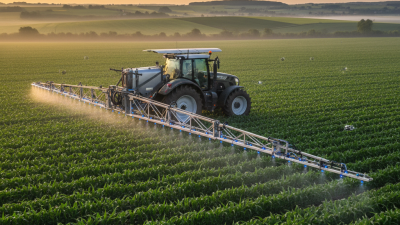
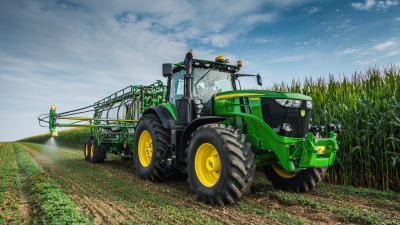
A 25-gallon sprayer is a versatile tool for various agricultural applications. Farmers often use it to cover large areas quickly. This sprayer is designed for efficiency in applying liquid fertilizers, pesticides, and herbicides. According to the USDA, proper application can reduce chemical waste by up to 30%.
In crops, the 25-gallon sprayer plays a crucial role. It's ideal for treating fields with pests or diseases. The sprayer's capacity allows it to manage small to medium-sized plots effectively. However, calibration is key. Incorrect settings can lead to over-application, harming crops or beneficial insects.
Also, it’s worth noting that not all sprayers are equal. Maintenance and cleaning can be a hassle. If not done properly, residue might harm future applications. This leads to inefficiencies and wasted resources. Farmers should reflect on their usage patterns. Improving techniques can significantly enhance crop health and yield.
What is a 25 Gallon Sprayer and How Does It Work? - Applications of a 25 Gallon Sprayer in Agriculture
| Feature |
Details |
| Capacity |
25 Gallons |
| Tank Material |
Polyethylene |
| Pump Type |
Diaphragm or Roller Pump |
| Pressure Range |
20-60 PSI |
| Application Method |
Spray Nozzles |
| Common Uses |
Crop spraying, weed control, pest management |
| Compatibility |
Compatible with various agricultural chemicals |
| Mobility |
Mobile, often towable or cart-mounted |
| Maintenance |
Regular cleaning and checks on pump and nozzles |
Maintenance Tips for Optimal Performance of 25 Gallon Sprayers
Maintaining a 25-gallon sprayer is crucial for its longevity and performance. Regular inspections are important. Check for leaks, clogs, and worn parts. It's essential to address any issues immediately. Neglecting these checks can lead to bigger problems later.
Another vital aspect is cleaning after each use. Rinse the tank thoroughly to avoid residue buildup. Some chemicals can react negatively with others. Proper cleaning reduces the risk of equipment damage. Use warm soapy water for a more effective clean.
Lastly, always store your sprayer in a cool, dry place. Extreme temperatures can affect performance. Pay attention to the hoses and fittings. Cracks or kinks can cause issues when spraying. Consider replacing them if you notice wear. Regular maintenance can enhance efficiency, but minor tweaks in handling make a difference too. A little effort goes a long way.