2026 Top Chicken Seasoning Cubes Suppliers Worldwide?

Choosing reliable Chicken Seasoning Cubes suppliers requires more than comparing prices on a product page. In 2026, buyers will examine ingredient consistency, production capacity, food safety systems, and export experience. A supplier may offer attractive packaging, yet struggle with flavor stability after long sea shipments. This guide introduces leading suppliers worldwide and explains the practical details behind their market reputation.

The evaluation considers factory certifications, quality-control procedures, private-label services, minimum order quantities, and delivery performance. Particular attention goes to moisture-resistant wrapping, cube strength, dissolution speed, and flavor balance in real cooking. Sodium content, allergen declarations, traceability records, and batch testing also deserve careful review. These details matter when products move from a factory warehouse to supermarket shelves, restaurant kitchens, or regional distributors.

Experience shows that no supplier fits every purchasing plan. A large manufacturer may provide competitive pricing but require rigid order volumes. A smaller specialist may offer better customization but have limited production capacity. Information can also change during the year. Certifications expire, freight costs shift, and new facilities enter the market. Therefore, this overview should support supplier screening, not replace direct audits or verified quotations. Some rankings may remain debatable. That is normal. Buyers should request recent samples, inspect technical documents, and test cubes in the recipes they actually sell. Reliable decisions come from evidence, not impressive claims.
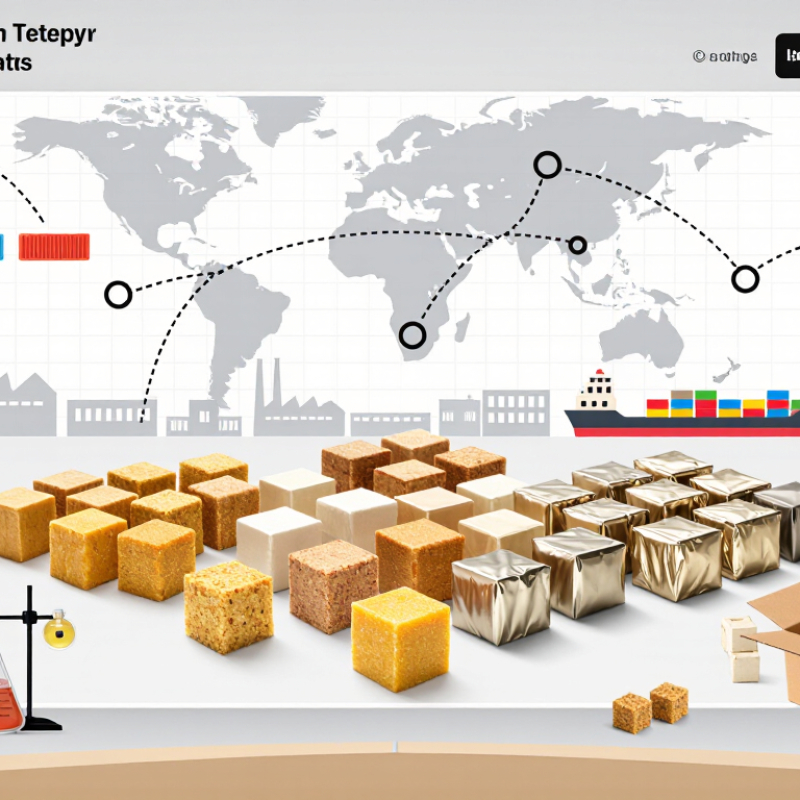
2026 Top Chicken Seasoning Cubes Suppliers Worldwide?

Chicken Seasoning Cubes Explained: 4–10 g Formats and 12–24-Month Shelf Life

Chicken seasoning cubes usually come in 4–10 g portions. A 4 g cube suits one mug of broth or a small noodle bowl. Larger 8–10 g formats fit family cooking and restaurant stock pots. Packaging must show serving weight clearly. Small differences matter when salt, fat, and spice levels are concentrated.

Shelf life commonly ranges from 12 to 24 months. This period depends on moisture control, oxygen barriers, storage temperature, and hygiene during production. The FDA Food Code 2022 uses water activity of 0.85 as an important control point for pathogen growth. However, seasoning cubes should stay much drier for texture and flavor stability. Codex CXC 1-1969 also emphasizes hygienic processing, sealed packaging, and traceable batch controls. Industry quality checks often monitor water activity, rancidity, moisture migration, and seal strength. A foil-laminated wrapper can protect aroma better than ordinary paper. Still, it is not magic. Poor warehouse conditions can shorten the stated life.

Buyers comparing worldwide suppliers should request stability data, packaging specifications, and retained-sample results. A supplier claiming 24 months should explain testing conditions. Real storage may involve humid ports, hot trucks, and repeated handling. That is where neat laboratory assumptions can fail. Supplier audits, laboratory certificates, and lot-based records provide stronger evidence than a printed date alone.

2026 Global Market Demand: Regional Growth, CAGR, and Foodservice Trends

2026 Global Chicken Seasoning Cube Market Outlook

Global demand for chicken seasoning cubes is expected to maintain steady growth in 2026. Published forecasts differ, but many indicate a mid-single-digit CAGR. Asia-Pacific should remain the largest growth engine, supported by urban kitchens, affordable meal preparation, and expanding foodservice networks. Africa and the Middle East may record faster percentage growth from a smaller base. Latin America is also gaining attention as distributors seek convenient flavor solutions.

Foodservice demand is changing the supplier landscape. Restaurants, caterers, and central kitchens want consistent taste, quick dissolving, controlled portions, and stable pricing. Sodium reduction, clearer ingredient declarations, allergen management, and responsible sourcing are becoming practical purchasing criteria.

Experienced buyers should inspect production records, batch testing, traceability systems, and storage conditions. A cube should release aroma evenly in a hot pot, not leave harsh salt crystals at the bottom. Forecasts are not perfectly aligned. Local inflation and harvest conditions can quickly change demand.

Tips: Compare suppliers by regional compliance, minimum order quantity, and delivery reliability. Request recent samples and test them in real recipes, including soup, rice, and sauces. Check performance after humid storage. Small details matter. A supplier with strong documentation may be more dependable than one offering the lowest quotation. Still, price cannot be ignored by small foodservice operators, and this remains a difficult balance.

Supplier Qualification Using HACCP’s 7 Principles and ISO 22000:2018

2026 Top Chicken Seasoning Cubes Suppliers Worldwide?

Supplier Qualification Using HACCP’s 7 Principles and ISO 22000:2018

Reliable qualification begins with evidence, not attractive samples. Request the supplier’s HACCP plan, ISO 22000:2018 certificate, product specification, allergen statement, and recent test results. Check whether the certificate covers the actual production site. A document from another facility is a warning sign.

Audit the seven HACCP principles in practical detail. Confirm hazard analysis for pathogens, allergens, foreign materials, and chemical residues. Review identified critical control points and their critical limits. Ask to see monitoring logs, corrective actions, verification records, and traceability documents. Test a sealed batch, inspect packaging, and follow one lot from raw materials to shipment. Evidence matters.

ISO 22000:2018 adds broader controls. Examine prerequisite programs, food safety objectives, internal audits, management reviews, and communication procedures. Confirm that changes in poultry powder, spices, fat, or packaging trigger a documented risk review. Supplier performance should include complaints, delivery conditions, recall testing, and response speed. Keep it practical. A clean certificate is not enough. In one common weakness, monitoring forms look complete but contain identical handwriting and times. That detail deserves questions, not automatic rejection. Qualification should also reflect destination-country requirements, because testing limits and labeling rules may differ across markets.

2026 Chicken Seasoning Cube Supplier Qualification Framework

This chart presents the seven Codex HACCP principles used when evaluating food-safety controls for chicken seasoning cube suppliers. ISO 22000:2018 incorporates HACCP-based operational control within a broader food safety management system, including communication, prerequisite programmes, verification, and continual improvement. The sequence shown is a qualification framework, not a supplier ranking.

Formula Benchmarks: Sodium, MSG, Moisture, and WHO’s 2 g Daily Limit

For 2026 sourcing, chicken seasoning cube suppliers should disclose sodium, MSG, and moisture results by batch. Buyers need numbers, not vague “low-salt” claims.

A practical screening range is 0.8–1.2 grams of sodium per cube, depending on cube size and serving use. This figure must be checked against the prepared dish, not viewed alone.

WHO recommends adults consume less than 2 grams of sodium daily, equal to less than 5 grams of salt. One cube can therefore use a large share of that allowance.

MSG should be listed separately, although its sodium content is lower than ordinary salt. A useful formula review compares salt, MSG, flavor enhancers, and total sodium per serving.

Laboratory testing should use validated methods, with results linked to a production date.

Moisture also affects quality and transport stability. Many compressed cube formulas target roughly 2–5% moisture, but the correct range depends on fat, starch, packaging, and climate.

Excess moisture may soften cubes or encourage texture changes. Very low moisture can create dust and poor dissolution. That trade-off is easy to overlook.

I would request water activity data, sieve checks, and accelerated storage results from every shortlisted supplier.

Yet these benchmarks are not universal rules. My own evaluation would still retest samples after shipping, because heat and humidity can expose weaknesses that factory reports miss.

Worldwide Supplier Ranking by Capacity, MOQ, Lead Time, and Certifications

2026 Top Chicken Seasoning Cubes Suppliers Worldwide?

The 2026 supplier ranking should measure more than production volume. Capacity, minimum order quantity, lead time, and certifications reveal practical buying strength. Large-scale manufacturers usually offer over 5,000 tons annually, but their MOQs may exceed 100,000 cubes. They often provide automated packing, batch traceability, and stable export documentation. However, high capacity does not always mean better service.

Mid-sized suppliers rank strongly when they combine 1,000–5,000 tons of annual capacity with MOQs near 10,000–50,000 cubes. Their typical lead time ranges from 20 to 40 days after artwork approval. This group may support private formulations, smaller test orders, and flexible carton sizes. Check whether quoted lead times include raw material sourcing. Sometimes they do not.

Certification quality separates reliable suppliers from attractive quotations. Look for current ISO 22000, FSSC 22000, HACCP, Halal, or Kosher certificates when relevant to the target market. Ask for audit dates, scope pages, allergen controls, and recent laboratory reports. A supplier promising seven-day delivery deserves careful questions. Fast is not always ready. Product samples should match the final production formula, cube weight, moisture level, and packaging film. No ranking is perfect. Capacity figures can be self-reported, while MOQ terms may change after seasoning customization. Reliable buyers should verify every figure through factory records, sample testing, and a written production schedule.

2026 Top Chicken Seasoning Cubes Suppliers Worldwide? - Worldwide Supplier Ranking by Capacity, MOQ, Lead Time, and Certifications

Non-company-specific global benchmark of commercial chicken seasoning cube supplier profiles. Capacity figures represent estimated annual finished-product capability; MOQ and lead time vary by recipe, packaging format, destination, and production schedule.

Rank Anonymous Supplier Profile Primary Production Region Estimated Annual Capacity Typical MOQ Standard Lead Time Common Product Formats Certification Coverage Export & Logistics Capability Best Fit for Buyers
1 Profile A — Large Integrated Seasoning-Cube Manufacturer West Africa / North Africa 18,000–30,000 metric tonnes/year 20–50 metric tonnes 45–75 days 4 g cubes 10 g cubes Powder sachets Bulk cartons HACCP ISO 22000 Halal BRCGS available Full-container export programs; established distributor and port logistics High-volume retail, foodservice, and private-label contracts
2 Profile B — Regional Mass-Market Cube Producer West Africa 12,000–20,000 metric tonnes/year 15–40 metric tonnes 40–70 days Chicken cubes Reduced-sodium cubes Seasoning powder HACCP ISO 22000 Halal Strong regional distribution; container-load export capability Large importers seeking competitive pricing and regular replenishment
3 Profile C — South Asian Contract Seasoning Specialist South Asia 8,000–15,000 metric tonnes/year 10–25 metric tonnes 35–60 days 4 g cubes 8 g cubes Instant broth powder HACCP ISO 22000 Halal Kosher by request Flexible private-label packing; sea and selected air-freight options Retail brands requiring custom recipes and multilingual packaging
4 Profile D — Middle Eastern Halal-Oriented Producer Middle East 6,000–12,000 metric tonnes/year 8–20 metric tonnes 30–55 days Chicken cubes Halal bouillon Foodservice blocks HACCP ISO 22000 Halal GMP Reliable regional road freight and container export through major ports Halal-focused distributors and Middle East, Africa, and Asia markets
5 Profile E — Southeast Asian Private-Label Manufacturer Southeast Asia 5,000–10,000 metric tonnes/year 5–15 metric tonnes 30–50 days Chicken cubes Vegetarian-style cubes Sachet packs HACCP ISO 22000 Halal FSSC 22000 available Good OEM packaging support; established Asian port access Small and mid-sized importers requiring multiple pack sizes
6 Profile F — Chinese OEM Bouillon-Cube Factory East China 5,000–10,000 metric tonnes/year 5–20 metric tonnes 35–60 days 4 g cubes 10 g cubes Private-label cartons HACCP ISO 22000 Halal by request BRCGS by site Strong packaging customization; broad ocean-freight connectivity Importers prioritizing customized artwork, packaging, and cost control
7 Profile G — Latin American Seasoning and Bouillon Producer Latin America 3,500–8,000 metric tonnes/year 5–15 metric tonnes 30–55 days Chicken bouillon cubes Low-sodium recipes Bulk foodservice packs HACCP ISO 22000 Halal by request GMP Competitive access to regional ports; strong domestic ingredient sourcing Buyers serving Latin American, Caribbean, and selected North American markets
8 Profile H — European Premium Stock-Cube Manufacturer Eastern Europe 2,500–6,000 metric tonnes/year 2–10 metric tonnes 25–45 days Premium chicken cubes Clean-label recipes Organic-compatible lines HACCP IFS Food BRCGS Organic by line Efficient European road freight; established retail compliance systems Premium retailers, specialty food brands, and regulated markets
9 Profile I — North African Export-Focused Producer North Africa 2,000–5,000 metric tonnes/year 3–10 metric tonnes 30–50 days Chicken cubes Spiced broth cubes Retail sachets HACCP ISO 22000 Halal GMP Shorter transit to Europe and the Mediterranean; flexible export batches Regional wholesalers and buyers seeking moderate-volume shipments
10 Profile J — Turkey-Based Multi-Format Seasoning Supplier Türkiye 1,500–4,000 metric tonnes/year 2–8 metric tonnes 25–45 days Chicken cubes Powder sachets Foodservice tubs HACCP ISO 22000 Halal by request IFS Food by site Road, rail, and sea options connecting Europe, Central Asia, and the Middle East Importers needing flexible order sizes and regional delivery options
11 Profile K — North American Specialty Seasoning Co-Packer North America 1,000–3,000 metric tonnes/year 1–5 metric tonnes 20–40 days Reduced-sodium cubes Clean-label powder Retail-ready packs HACCP SQF BRCGS Kosher by line Strong traceability and domestic compliance documentation; higher production cost Specialty brands, health-oriented products, and short domestic supply chains
12 Profile L — Small-Batch Natural Seasoning Manufacturer Western Europe 500–1,500 metric tonnes/year 500 kg–3 metric tonnes 20–40 days Natural chicken-style cubes Yeast-extract blends Private-label sachets HACCP ISO 22000 IFS Food Organic by product line Smaller production runs; strong documentation and formulation support Start-ups, specialty retailers, and premium private-label programs

Certification status should be confirmed against the current certificate, production site, product scope, and destination-market requirements before contracting. Lead times exclude artwork approval, laboratory testing, customs clearance, and ocean transit.