Top Four Wheeler Sprayers of 2025 for Efficient Agricultural Applications
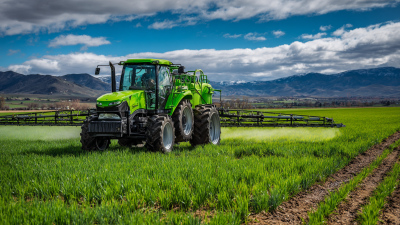
In the rapidly evolving field of agriculture, the introduction of innovative equipment is essential for enhancing productivity and sustainability. A prominent player in this transformation is the four wheeler sprayer, which has gained significant traction among farmers looking to optimize their spraying operations. According to a report by Grand View Research, the global market for agricultural sprayers is projected to surpass USD 6.02 billion by 2025, with four wheeler sprayers playing a crucial role in this growth. These machines not only improve coverage and efficiency but also reduce labor costs and minimize chemical waste, aligning with modern agricultural practices emphasizing precision.
As farmers face challenges such as climate change, resource scarcity, and the demand for higher yields, the adoption of four wheeler sprayers proves indispensable. The increasing mechanization in agriculture underscores the need for advanced spraying solutions that can adapt to diverse terrains and crop types. Furthermore, a study by MarketsandMarkets highlights that the demand for smart farming technologies, including GPS-enabled four wheeler sprayers, is anticipated to rise, offering enhanced accuracy and operational efficiency. In this context, farmers and agricultural professionals must remain informed about the latest advancements and selections in four wheeler sprayers to ensure they make the most effective choices for their agricultural applications.
Overview of Four Wheeler Sprayers in Modern Agriculture
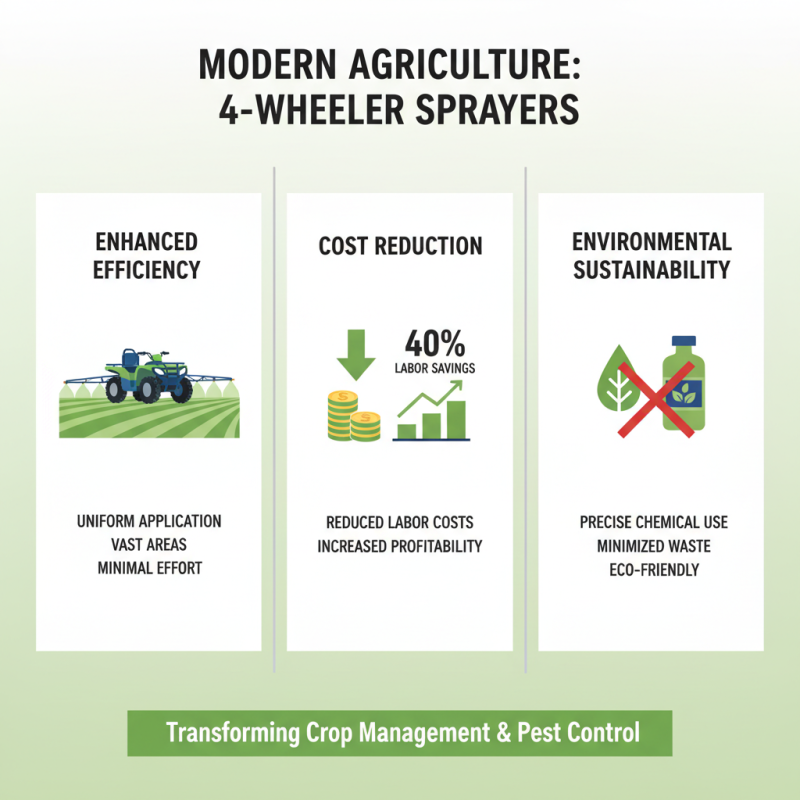
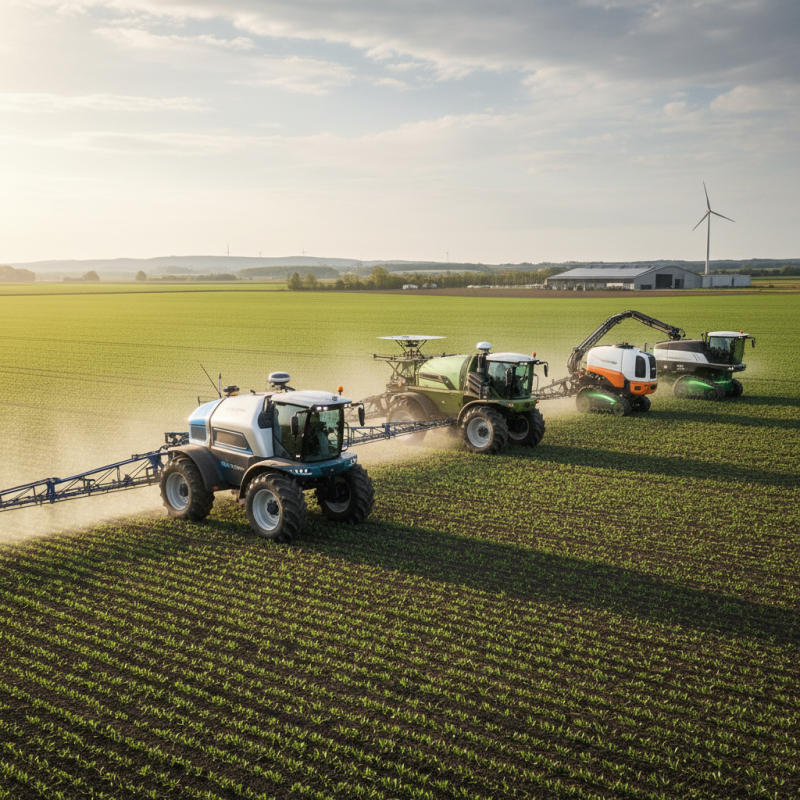
The use of four wheeler sprayers in modern agriculture has significantly transformed the way farmers manage their crops and pest control processes. These sprayers offer enhanced efficiency, allowing for uniform application of fertilizers and pesticides over vast areas with minimal effort. Reports indicate that the adoption of mechanized equipment like four wheeler sprayers can lead to a reduction of labor costs by up to 40%, which is crucial for maintaining profitability in a competitive market. Furthermore, the precision offered by these sprayers minimizes chemical usage, aligning with current environmental sustainability goals.
In recent years, the demand for such sprayers has grown amid a global push for smart farming solutions. According to industry analyses, the market for agricultural sprayers is expected to increase at a compound annual growth rate (CAGR) of approximately 5.6% through 2027, fueled by advancements in technology and an increasing focus on crop productivity. The integration of features such as GPS technology and automated control systems within four wheeler sprayers has not only improved application precision but also helped in real-time monitoring of crop health, enabling farmers to make informed decisions quickly. As agricultural practices continue to evolve, the role of four wheeler sprayers will become increasingly central to achieving both high efficiency and sustainable farming practices.
Key Features to Look for in Top Sprayers for 2025
When considering the top four-wheeler sprayers of 2025, there are several key features that farmers and agricultural professionals should prioritize to ensure efficient and effective application of fertilizers and pesticides. First and foremost, the sprayer's tank capacity and design are critical. A larger tank allows for longer operation periods without the need for constant refilling, enhancing productivity. Additionally, a well-designed tank that minimizes residual liquid can significantly reduce waste and improve overall efficiency.
Equally important is the sprayer's nozzle technology. Advanced nozzle designs can offer adjustable spray patterns and droplet sizes, enabling more precise applications tailored to different crops and conditions. Precision is especially crucial to avoid overspray and ensure that chemicals are applied only where needed. Furthermore, features such as GPS integration and smart technology can help optimize routes and monitor application rates, directly contributing to more sustainable agricultural practices.
Finally, ease of maintenance and operator comfort should not be overlooked. Sprayers equipped with user-friendly controls and efficient cleaning systems will minimize downtime and enhance user experience. Durable materials and robust construction are vital for longevity, especially in diverse terrain and challenging weather conditions. By focusing on these key features, farmers can significantly improve their spraying efficiency and contribute to more sustainable agricultural practices in 2025.
Top Four Wheeler Sprayers of 2025 for Efficient Agricultural Applications
| Model |
Tank Capacity (Gallons) |
Maximum Spray Width (Feet) |
Horsepower |
Fuel Type |
Weight (lbs) |
Price Range ($) |
| Model A |
150 |
30 |
75 |
Diesel |
2000 |
15,000 - 18,000 |
| Model B |
200 |
36 |
85 |
Gasoline |
2200 |
18,000 - 21,000 |
| Model C |
180 |
32 |
90 |
Biofuel |
2100 |
20,000 - 23,000 |
| Model D |
220 |
40 |
100 |
Propane |
2500 |
25,000 - 30,000 |
Comparison of Leading Brands and Models of Four Wheeler Sprayers
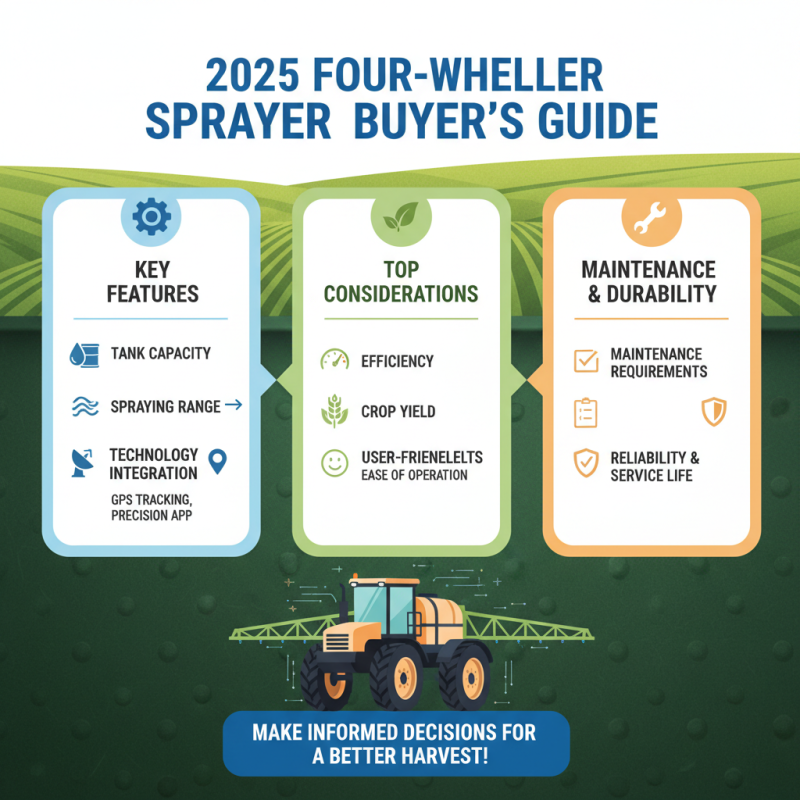
In the realm of agriculture, the selection of the right four-wheeler sprayer can significantly impact efficiency and crop yield. As we look towards 2025, several models stand out for their innovative designs and enhanced performance capabilities. Key features to compare among leading brands include tank capacity, spraying range, and technology integration, such as GPS tracking for precise application. Evaluating these features alongside user-friendliness and maintenance requirements can help farmers make informed decisions.
When choosing a four-wheeler sprayer, consider these tips. First, assess the specific needs of your agricultural operations, such as the type of crops and the size of the fields. This will guide you in selecting a sprayer with the appropriate capacity and functionality. Additionally, look for models that offer versatility, allowing for adjustments in spray patterns and rates according to different crop needs. Lastly, prioritize sprayers that provide ease of maintenance, as this can reduce downtime and enhance long-term productivity.
As competition among manufacturers intensifies, keeping an eye on emerging technologies will be crucial. Sprayers equipped with smart tech can deliver better data analytics, helping farmers adjust their practices for maximum efficiency. Always review product specifications and user reviews to ensure that you invest in a model that meets your operational challenges effectively.
Innovations and Technologies Enhancing Sprayer Efficiency
The agricultural industry is continuously evolving, with advancements in technology leading to more efficient spraying solutions for crop management. Innovations such as precision spraying systems and automated control technologies are becoming increasingly integral in enhancing sprayer efficiency. By utilizing sensors and data analytics, farmers can now apply chemicals more accurately, reducing waste and minimizing environmental impact. These systems ensure that the right amount of product is delivered at the right time, significantly improving crop yield and farmer productivity.
Tips: When considering modern sprayer technology, evaluate the compatibility of the equipment with your existing farm machinery and operations. Additionally, staying informed about the latest advancements in precision farming can help you leverage these technologies effectively.
Moreover, the integration of drone technology into agricultural spraying offers a promising avenue for efficiency. Drones can cover large areas quickly, accessing hard-to-reach spots while offering real-time data collection for better decision-making. These innovations not only save time but also enhance the accuracy of applications, ultimately leading to healthier crops and a more sustainable farming practice.
Tips: Always ensure that you are trained on the latest equipment and safety protocols when using new technology in the field. Consider participating in workshops or online courses to maximize the benefits of these advancements.
Environmental Impact and Sustainability Considerations in Sprayer Use
The environmental impact of agricultural sprayers is a pressing concern as farmers strive for efficiency while minimizing harm to ecosystems. In recent years, the industry has made significant strides toward sustainable practices. According to the 2023 Precision Agriculture Market report, technology-enabled sprayers have been shown to reduce chemical usage by up to 30%, demonstrating a clear path toward more responsible farming. These advancements not only benefit the environment but also enhance crop yield quality, allowing for a dual focus on productivity and ecological integrity.
Incorporating sustainability into sprayer use requires a multifaceted approach. One key consideration is the implementation of precision application technologies. By utilizing GPS and data analytics, farmers can optimize their spraying patterns, reducing overspray and ensuring that chemicals are applied only where needed. Furthermore, adopting biodegradable or less toxic formulations can significantly lower chemical runoff into surrounding water sources, which is crucial for protecting local wildlife and aquatic ecosystems.
Tip: Regularly calibrate your sprayer to ensure accurate application rates. This practice not only conserves resources but also minimizes the possibility of excessive chemical application, thus supporting sustainable farming.
Another important aspect is the maintenance and operation of sprayer equipment. Regular inspections and servicing can prevent leaks and inefficiencies, addressing both environmental concerns and operational costs. Adopting integrated pest management strategies can also complement the use of sprayers, allowing for a holistic approach to pest control while reducing dependency on chemical solutions.
Tip: Engage in training programs for operators on best practices in sprayer operation. Educated users can contribute immensely to achieving a sustainable agricultural system, aligning productivity with environmental stewardship.