How to Choose the Right 3pt Sprayer for Your Farming Needs
When it comes to maximizing efficiency and productivity in modern agriculture, selecting the right equipment is crucial. One such vital piece of equipment is the 3pt sprayer, which has become increasingly popular among farmers for its versatility and effectiveness in applying fertilizers and pesticides. According to a recent report by the Agricultural Equipment Manufacturers Association (AEMA), the market for 3pt sprayers is projected to grow by 15% over the next five years, reflecting the rising demand for precision farming practices. With an array of options available, understanding the various features and capabilities of 3pt sprayers can significantly influence farming success.
Expert insights into this area can provide valuable guidance. Dr. Emily Thompson, a renowned agricultural equipment specialist, has emphasized the importance of selecting a sprayer that meets specific farming needs: "The right 3pt sprayer can not only increase application accuracy but also reduce chemical usage, ultimately benefiting the environment and farmers' bottom lines." This sentiment acknowledges the critical relationship between the choice of equipment and overall agricultural efficiency. Farmers must consider several factors, including tank capacity, nozzle types, and ease of use, to ensure their 3pt sprayer aligns with their operational goals and enhances productivity sustainably.
Understanding the Basics of 3pt Sprayers in Agriculture
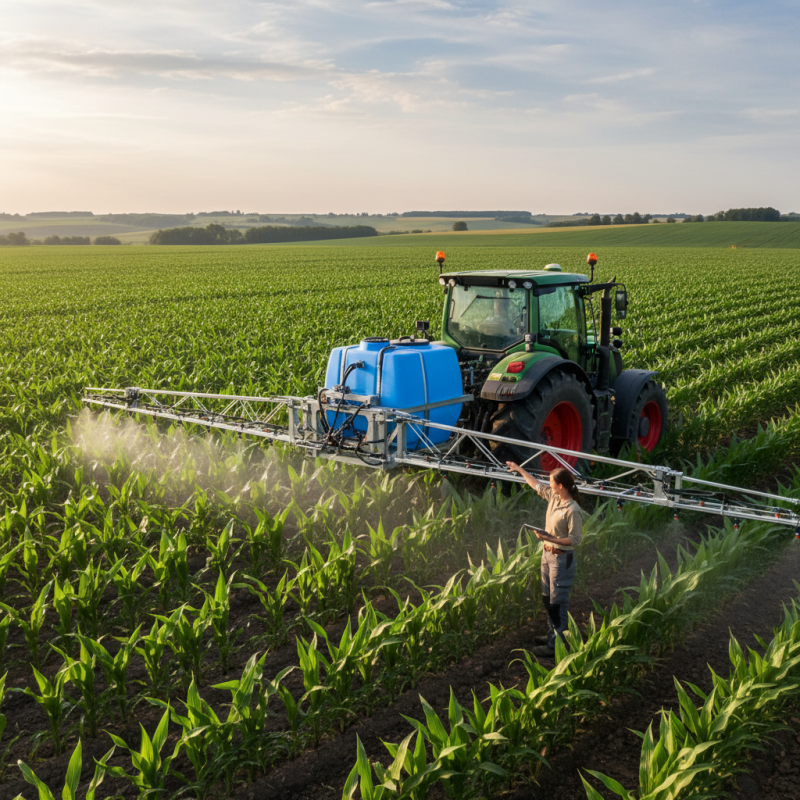
3pt sprayers, or three-point hitch sprayers, are essential tools in modern agriculture, designed to apply fertilizers, herbicides, and pesticides efficiently. Understanding their basic components allows farmers to make informed choices when selecting a sprayer suitable for their specific farming needs. Typically, a 3pt sprayer consists of a tank for holding the liquid, a pump to distribute the product, and a series of nozzles that regulate the spraying pattern. Familiarizing oneself with these components helps in determining the best configuration for the land being treated.
Another crucial aspect to consider is the capacity of the 3pt sprayer. Sprayers come in various sizes, typically ranging from 50 to 1,000 gallons, allowing farmers to choose based on the scale of their operations. Additionally, adjusting the sprayer’s pressure, flow rate, and nozzle types can significantly impact the effectiveness of the application, ensuring optimal coverage and minimizing waste. By comprehensively understanding the operation and capabilities of 3pt sprayers, farmers can enhance their productivity while promoting responsible use of agricultural chemicals.
Comparison of Different Types of 3pt Sprayers
Key Factors to Consider When Choosing a 3pt Sprayer
When selecting the right 3-point sprayer for your farming needs, several key factors must be considered to ensure optimal performance and efficiency. One of the most crucial aspects is the sprayer's capacity and tank size. According to industry reports, larger tanks can significantly reduce downtime during the spraying process. For instance, a tank capacity of 100 to 300 gallons is ideal for medium to large operations, enabling farmers to cover more ground without needing frequent refills. Additionally, the sprayer should be compatible with the tractors most farmers are currently using, considering the hydraulic output and lifting capacity.
Another important factor is the type of nozzle and coverage pattern the sprayer offers. Precision in application directly impacts the effectiveness of the spray and minimizes waste. Research indicates that adjustable nozzle systems can enhance flexibility, allowing farmers to adapt to varying crop types and growth stages. Moreover, choosing a sprayer with a reliable pressure control system can optimize chemical delivery and ensure uniform coverage. Studies have shown that proper application rates and patterns can lead to a 15-30% increase in crop yield, highlighting the importance of selecting a sprayer suited to specific cropping conditions and goals.
Evaluating the Size and Capacity of 3pt Sprayers
When selecting the right 3pt sprayer for your farming needs, evaluating the size and capacity is crucial. Consider the area you intend to cover with your sprayer. Larger fields may require a sprayer with a higher tank capacity to minimize refilling times and enhance efficiency. A sprayer with a capacity range of 50 to 300 gallons is typically sufficient for mid-sized operations, while larger farms could benefit from sprayers that hold more than 400 gallons.
Tips: Before making a purchase, measure the size of your fields to estimate the required coverage. Additionally, think about the types of crops you are spraying; some may need more frequent applications, influencing the capacity you require. Lastly, ensure the sprayer is compatible with your tractor's specifications to achieve optimal performance.
Another factor to consider is the sprayer's spray width, which can significantly impact your overall productivity. A wider spray width allows you to cover more ground in less time, but it might not be suitable for all crops. It’s essential to find a balance that provides sufficient coverage without risking damage to delicate plants.
Tips: Check for adjustable spray nozzles that can help manage coverage variability and adapt to different crop needs. Also, consider how easily the equipment can be cleaned and maintained, as this can affect long-term efficiency and performance.
Exploring Different Types of Sprayer Attachments and Accessories
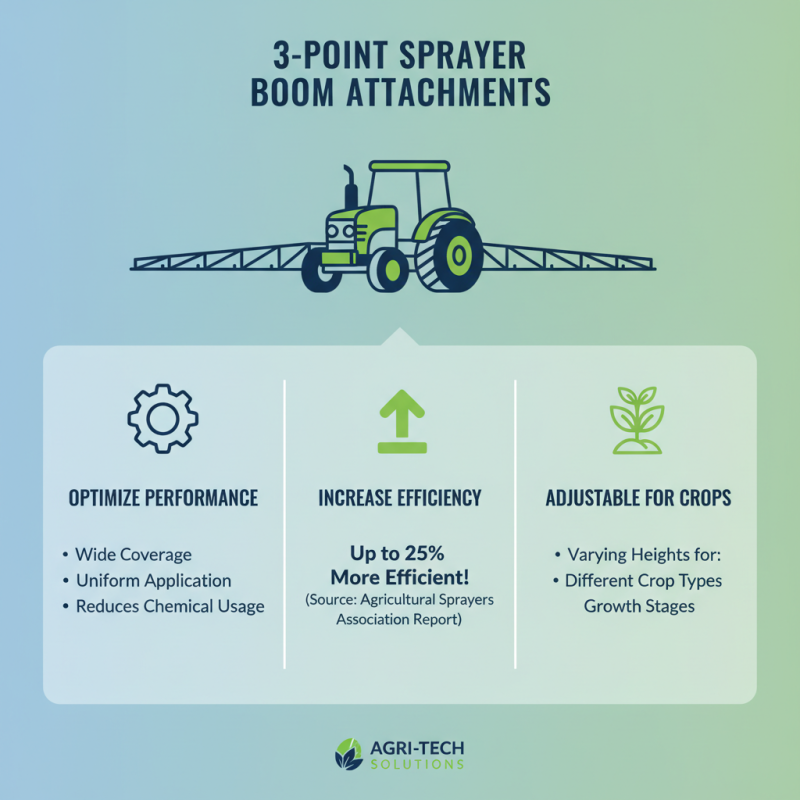
When selecting the right 3-point sprayer for agricultural needs, understanding the various attachments and accessories is crucial for optimizing performance and efficiency. One of the most common sprayer attachments is the boom, which allows for wide coverage and uniform application of fertilizers and pesticides. According to a recent industry report from the Agricultural Sprayers Association, the use of a properly calibrated boom can increase application efficiency by up to 25%, reducing both chemical usage and operational costs. Adjustable boom heights can also cater to different crop types and growth stages, maximizing the effectiveness of treatments.
In addition to booms, spray nozzles play a vital role in delivering the right droplet size and coverage for a specific application. The choice of nozzle can significantly impact the effectiveness of the spray; for instance, air-induction nozzles are known for producing larger droplets that reduce drift, while flat fan nozzles provide a fine mist suited for blanket applications. Furthermore, incorporating engineering advancements such as multi-nozzle bodies allows for the rapid interchange of nozzles, enabling farmers to adapt their sprayers for various tasks seamlessly. Industry data indicates that farmers utilizing versatile nozzle systems report a 30% reduction in application time, underscoring the importance of selecting the right accessories for optimized agricultural outcomes.
Assessing Your Budget and Long-Term Investment in Spraying Equipment
When choosing the right 3pt sprayer for your farming needs, it's essential to assess your budget and consider the long-term investment. A well-chosen sprayer can significantly affect your crop yield and efficiency. Start by determining how much you can afford to spend not only on the initial purchase but also on maintenance and operational costs. This broader perspective will help in selecting a sprayer that aligns with both your immediate financial capabilities and future farming plans.
Tips: Consider the features that matter most for your operations—such as tank capacity, nozzle types, and adjustable pressure settings. Investing a little more upfront in a reliable and versatile sprayer can pay off in the long run by reducing the need for repairs and ensuring better application efficiency.
Additionally, think about the resale value of the equipment. Some sprayers hold their value better than others, so researching market trends and potential depreciation can lead to smarter financial decisions when upgrading or replacing your equipment eventually. Doing thorough research and considering these factors will help you make a sound investment tailored to your farming requirements.