How to Choose the Best 25 Gallon Sprayer Tank for Your Needs
When it comes to selecting the right 25 gallon sprayer tank, the myriad of options available can often be overwhelming. According to industry expert and horticulturist Dr. Emily Carson, “Choosing the right sprayer tank depends on your specific needs, whether for agriculture, landscaping, or pest control.” With various features, designs, and functionalities, understanding what makes a 25 gallon sprayer tank suitable for your tasks is essential for achieving optimal results.
In this guide, we will explore the critical factors to consider when selecting a 25 gallon sprayer tank, from material durability to pump types and adjustable nozzles. By assessing your individual requirements and the intended applications, you can make an informed decision that maximizes efficiency and effectiveness in your spraying tasks. Remember, the right sprayer tank not only enhances your productivity but also ensures that every application is precise and safe.
Understanding the Purpose of a 25 Gallon Sprayer Tank
A 25-gallon sprayer tank serves a vital role in various agricultural and landscaping tasks, making it essential to understand its purpose before making a selection. These tanks provide a convenient means to store and transport liquid solutions for effective application. Whether for fertilizers, pesticides, or herbicides, the ability to hold a substantial volume allows users to cover larger areas without frequent refills, enhancing efficiency in both commercial and personal gardening tasks.
When considering the right 25-gallon sprayer tank, it’s important to evaluate your specific needs and usage scenarios. Are you applying treatments to a large field, or do you need precision for smaller garden beds? Understanding the nature of your tasks helps determine the type of sprayer system that will be most effective. Additionally, factors such as portability, hose length, and nozzle types should also be considered, as these will directly influence how easily you can navigate and apply the solutions in various settings.
Key Features to Consider When Selecting a Sprayer Tank
When selecting a 25-gallon sprayer tank, there are several key features to consider to ensure it suits your specific needs. First, the material of the tank is crucial; it should be durable and resistant to corrosion. Plastic and stainless steel are popular choices, as they can withstand various chemicals and additives without degrading. Additionally, consider the tank's weight; a lighter tank can be more manageable, especially when it's full and being transported.
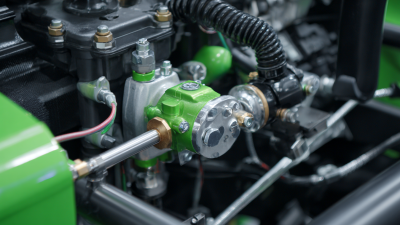
Another important factor is the type of pump system. A high-quality pump will significantly affect the efficiency and effectiveness of your spraying tasks. Opt for a tank with a reliable pump that offers adjustable pressure settings to cater to different applications. Additionally, check the flow rate to ensure it can meet your spraying demands.
Tips: Always check for compatibility with your intended sprays. If you plan to use harsh chemicals, ensure the tank and pump materials can handle them. Additionally, think about ease of cleaning and maintenance; a tank that can be easily disassembled for thorough cleaning will save you time and effort in the long run. Lastly, consider extra features such as a built-in gauge for liquid levels or attachments for different spraying methods to enhance versatility.
How to Choose the Best 25 Gallon Sprayer Tank for Your Needs - Key Features to Consider When Selecting a Sprayer Tank
| Feature |
Description |
Importance |
| Tank Material |
Durable materials such as polyethylene or stainless steel. |
Ensures longevity and resistance to chemicals. |
| Pump Type |
Consider diaphragm or gear pumps for various applications. |
Affects spray pressure and efficiency. |
| Nozzle Options |
Multiple nozzle types to customize application rate and pattern. |
Enhances versatility for different tasks. |
| Tank Shape |
Consider a tank that fits your vehicle or storage space. |
Affects portability and ease of use. |
| Weight |
Empty and full weight for ease of transport. |
Important for mobility and vehicle capacity. |
| Accessories |
Consider hoses, connectors, and storage for convenience. |
Enhances overall functionality and user experience. |
| Price |
Evaluate cost vs. features to find value for money. |
Critical for budget-conscious buyers. |
| Warranty |
Look for a warranty period that offers peace of mind. |
Indicates manufacturer’s confidence in the product. |
Comparing Different Types of 25 Gallon Sprayer Tanks
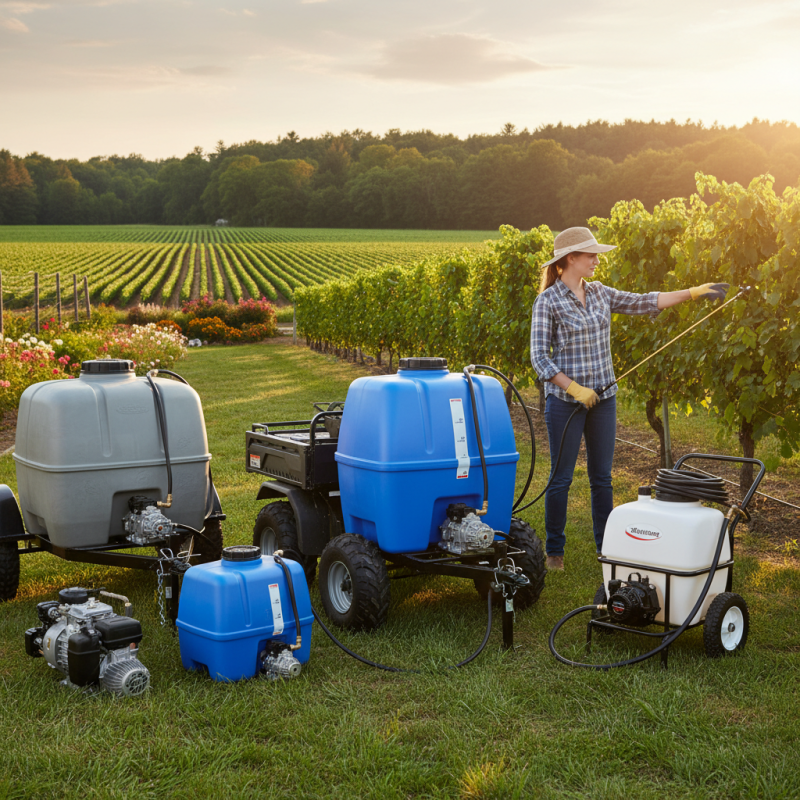
When selecting a 25-gallon sprayer tank, it's essential to compare different types to find the best fit for your specific needs. The most common varieties are backpack sprayers, trailer-mounted sprayers, and hand-held sprayers. According to industry reports, backpack sprayers are favored for small to medium-sized gardens due to their portability and ease of use, with a rise in demand of up to 15% over the past few years. These sprayers allow for precise application in hard-to-reach areas without requiring additional equipment.
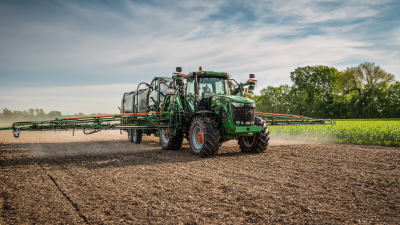
In contrast, trailer-mounted sprayers are typically used for larger agricultural applications and can cover vast areas quickly. They boast higher flow rates, which can be beneficial for large-scale operations, as highlighted in a recent agriculture efficiency survey, where users reported time savings of up to 30% compared to manual sprayers. Hand-held sprayers provide versatility for both indoor and outdoor use but may struggle with larger applications unless multiple refills are performed, marking a trend towards optimized designs that enhance user comfort and efficiency.
Understanding these distinctions and their applicability to your tasks will help you make an informed choice that meets your operational needs effectively. As the market evolves, it's also worth considering the materials and construction of the tanks, which directly impact their durability and performance over time.
Assessing Compatibility with Your Equipment and Chemicals
When selecting a 25-gallon sprayer tank, assessing compatibility with your existing equipment and chemicals is crucial. First, evaluate the types of chemicals you plan to use, as not all tanks are designed to handle every substance safely. Factors like material composition and resistance to corrosion significantly influence the longevity and performance of the tank. Ensure that the tank material is compatible with the chemicals to prevent degradation or unwanted reactions that could affect both the integrity of your equipment and the efficacy of the chemicals.
Next, consider how the tank will integrate with your sprayer system. This involves checking the fittings, nozzles, and hose connections for compatibility with your sprayer and any attachments you may use. A mismatched system can lead to leaks and inefficiencies, compromising your application process. Additionally, the tank’s weight and size should align with your vehicle or equipment's load capacities and space availability, ensuring ease of transport and usage. By carefully analyzing these factors, you can choose a sprayer tank that meets your operational needs while ensuring safe and effective chemical handling.
Compatibility of 25 Gallon Sprayer Tanks with Different Chemicals
Maintenance Tips for Prolonging the Life of Your Sprayer Tank
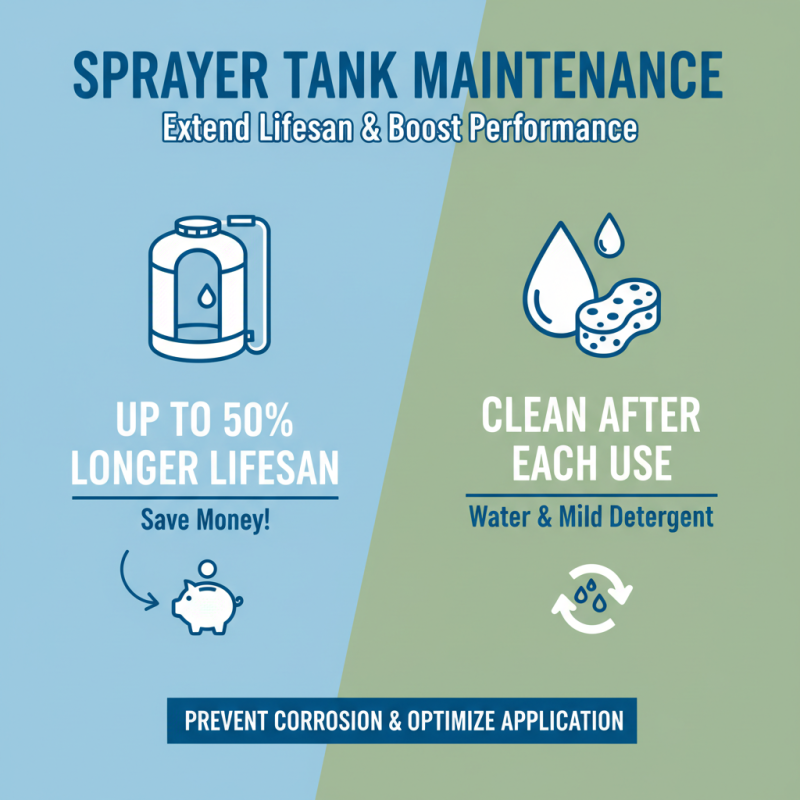
Maintaining your 25-gallon sprayer tank is crucial for ensuring its longevity and optimal performance. According to industry reports, regular maintenance can extend the lifespan of your sprayer tank by up to 50%, ultimately saving you money on replacements. One key aspect of maintenance is to thoroughly clean the tank after each use. Residual chemicals can corrode the tank materials and impact the next application. A mixture of water and a mild detergent followed by a rinse can go a long way in maintaining the tank's integrity.
Another important factor to consider is the proper storage of your sprayer tank. Keeping the tank away from extreme temperatures and direct sunlight will help reduce the risks of brittleness and degradation. Additionally, inspecting the hoses and fittings for wear and tear regularly will ensure that your sprayer functions at its best. Research shows that up to 30% of sprayer issues stem from hose failures, so replacing worn-out parts promptly is essential for maintaining efficiency.
**Tips**: Always check for leaks before using your sprayer. A small drip can lead to larger issues down the line. Additionally, consider applying a protective coating to the outer surface of the tank, which can shield it from UV rays and chemical interactions. By adhering to these maintenance practices, you can ensure that your 25-gallon sprayer tank remains a reliable tool for years to come.